








Blog

  • Impulse Buying Triggers

    What is Impulse Buying?

    Impulse buying is when you buy something without much thought. You don’t plan for it. You just suddenly want it.

    This often happens because of a strong feeling or a sudden thought. It feels good in the moment. But later, you might wonder why you bought it.

    It’s different from planned shopping. Planned shopping involves research and budgeting.

    This kind of buying is very common. Stores are designed to make it happen. Advertisers know our habits.

    They use tricks to make us buy things. Sometimes it’s a great sale. Other times, it’s seeing something shiny.

    The internet makes it even easier. One click and it’s yours. This can lead to spending more than you can afford.

    My Own Impulse Buy Oopsie

    I remember one time I was at a big box store. I wasn’t looking for anything special. I just needed some socks.

    Then, I saw it. A fancy coffee maker. It was sleek, silver, and had a special display.

    The box showed steaming coffee and happy people. My brain immediately thought, “Wow, that would make mornings so much better!”

    I don’t even drink that much coffee. But the shiny machine called to me. The sale price seemed like a steal.

    I stood there for a good five minutes. My heart was a little faster. I imagined making delicious lattes.

    Then, I picked it up. I walked to the checkout. I didn’t even compare it to other models.

    I just bought it. It sat on my counter for months. I used it maybe twice.

    It was a classic impulse purchase. I felt silly later, but the store got its sale. That experience taught me a lot.

    Common Places for Impulse Buys

    Store Aisles: Bright displays and well-placed items draw you in.

    Checkout Lines: Small, tempting items like candy, magazines, or gadgets are everywhere.

    Online Ads: Pop-up ads and targeted ads show you things you might like right when you’re browsing.

    Social Media: Influencers showing off new products can make you want them too.

    Emotional Triggers for Impulse Buying

    Often, our feelings drive impulse buys. When you feel down, you might buy something to cheer yourself up. This is called retail therapy.

    It feels good for a little while. But the good feeling fades. The item is still there.

    The problem that made you sad is still there too. It doesn’t fix the root cause.

    Other emotions play a role. Boredom can lead to shopping. When you have nothing to do, you might scroll online.

    You might wander through a mall. You see something interesting. Then you buy it.

    Stress is another big one. When you’re stressed, you might want a quick reward. A new item can feel like that reward.

    It’s a temporary fix.

    Excitement can also trigger buys. You might be going to a party. You want to look good.

    You buy a new outfit. You might only wear it once. Or you might feel a sense of urgency.

    This happens with “limited time offers.” You feel like you’ll miss out if you don’t buy now. This pressure makes people buy fast.

    Emotional Trigger: Feeling Sad

    What it looks like: Buying a treat, a new game, or a cozy blanket when you feel down.

    Why it happens: Seeking a quick mood boost or comfort.

    What to do instead: Talk to a friend, go for a walk, listen to music.

    Emotional Trigger: Feeling Stressed

    What it looks like: Making a large purchase or buying many small things when overwhelmed.

    Why it happens: Trying to gain a sense of control or reward.

    What to do instead: Practice deep breathing, meditate, do a quick workout.

    Situational Triggers and the Shopping Environment

    The place where you shop matters a lot. Stores are built to encourage impulse buys. Think about grocery stores.

    The checkout lanes are full of small items. Gum, candy bars, batteries. They are placed there because people often buy them on impulse while waiting.

    You might not need them. But seeing them makes you think, “Oh, I could use some gum.”

    Think about the end caps of aisles. These displays often feature discounted items. Or new products.

    They catch your eye. They are placed where you are likely to see them. Bright lights and pleasant music also play a role.

    They create a positive feeling. This feeling can make you more likely to buy things. Stores want you to feel good so you spend more.

    Online, it’s similar but different. Websites use colorful buttons. They show deals prominently.

    They might even use pop-ups. These pop-ups appear without you asking. They show you a special offer.

    This creates a sense of urgency. You might click it without thinking. You see a picture of something nice.

    You read a short description. Then you buy it. The ease of online shopping makes this faster.

    Environmental Cue: “Buy Now” Buttons

    On websites: These are bright and noticeable.

    Why they work: They make the next step very easy.

    Impact: Reduces time to think. Encourages immediate action.

    Environmental Cue: Limited-Time Offers

    Common phrases: “Sale ends tonight!” or “While supplies last!”

    Why they work: They create a fear of missing out (FOMO).

    Impact: Rushes your decision. Makes you feel you need to act fast.

    Psychological Triggers: How Our Minds Work

    Our brains are wired in ways that can lead to impulse buys. One big trigger is scarcity. When something is hard to get, we want it more.

    This is why “limited edition” items are so popular. We feel like we need to act fast before it’s gone. This scarcity principle is powerful.

    Another trigger is social proof. If many people are buying something, we tend to want it too. We think, “If everyone else likes it, it must be good.” This is why reviews and testimonials are so important.

    Seeing many positive reviews can push us to buy. We want to be part of the trend.

    We also react to novelty. New things are exciting. A new gadget, a new flavor, a new style.

    Our brains love novelty. It sparks interest. This is why companies always release new versions of products.

    The newness makes us want to upgrade. Even if our old item works fine.

    Psychological Cue: Scarcity

    Example: “Only 3 left in stock!”

    Effect: Makes the item seem more valuable.

    Your reaction: You feel you must buy it now.

    Psychological Cue: Social Proof

    Example: “Best-selling item” or “Customer favorite.”

    Effect: Suggests popularity and approval from others.

    Your reaction: You trust the judgment of the crowd.

    Marketing Tactics That Trigger Impulse Buys

    Companies spend a lot of money to get you to buy impulsively. They know what works. One tactic is using bright colors and appealing imagery.

    Think about food packaging. It looks delicious. This makes you want to buy the product.

    They also use persuasive language. Words like “amazing,” “must-have,” or “incredible” grab your attention.

    Bundling is another trick. When they offer a “buy one, get one free” deal, it seems like a great value. You might buy two things when you only needed one.

    Or you might buy a bundle of items. Even if you don’t need them all. The perceived savings make it hard to resist.

    Loss leaders are common in grocery stores. They offer a popular item, like milk or bread, at a very low price. You come in for the cheap milk.

    Then you buy many other things that are not on sale. The cheap item gets you in the door. The other items make up for the loss.

    Marketing Tactic: Bundling

    What it is: Offering several items together for a lower price.

    Why it works: Makes you feel you’re getting more for your money.

    Beware of: Buying things you don’t need just to get the “deal.”

    Marketing Tactic: Loss Leaders

    What it is: Selling a few popular items at a very low price.

    Why it works: Draws customers into the store.

    Beware of: Buying many other high-priced items while you’re there.

    The Role of Convenience and Accessibility

    How easy is it to buy something? That’s a huge factor. If you can buy something with just a few clicks, you’re more likely to do it impulsively.

    Online shopping has made this incredibly easy. You can buy things from your couch, in your pajamas, at any time of day or night. There’s no need to drive to a store or wait in line.

    Mobile apps have made it even simpler. Many apps allow you to buy with one touch. Your payment information is saved.

    This removes any friction. You just tap, and it’s done. This instant gratification is very tempting.

    It bypasses the thinking part of your brain.

    In physical stores, convenience also plays a role. Think about convenience stores. They are open late.

    They have essentials. You pay a bit more, but it’s easy. They are designed for people who need something quickly.

    This ease can lead to impulse buys of snacks or small items.

    Accessibility Factor: One-Click Ordering

    What it is: A button that lets you buy with a single click.

    How it triggers impulses: Removes the need for multiple steps.

    Effect: Greatly speeds up the buying process, reducing thought.

    Accessibility Factor: Mobile Shopping Apps

    What they are: Apps designed for easy phone purchases.

    How they trigger impulses: Always available, payment saved.

    Effect: Buys can happen anywhere, anytime, very quickly.

    Personalizing Your Shopping Experience

    Have you noticed how ads seem to know what you’re thinking? That’s because companies use data. They track your online behavior.

    They know what you click on. What you search for. What you’ve bought before.

    This allows them to show you ads for things you’re likely to want.

    This personalization can be a trigger. If you looked at a certain type of shoe a week ago, you might start seeing ads for those exact shoes. Or similar ones.

    This constant reminder can make you feel like you really need them. It can reignite a desire you thought had passed. It makes the impulse buy feel more targeted and therefore more justified.

    Email marketing also does this. You get emails with “deals just for you.” Or “items you might like.” These messages are designed to tap into your specific interests. They make the offer feel personal.

    This can be very effective at creating an impulse to buy.

    Personalization Tactic: Targeted Ads

    How it works: Uses your past online activity to show you relevant ads.

    Why it triggers impulses: Reminds you of things you’ve shown interest in.

    Example: Seeing ads for a product you browsed yesterday.

    Personalization Tactic: Email Recommendations

    How it works: Sends emails based on your purchase history or browsing.

    Why it triggers impulses: Creates a sense of a special offer for you.

    Example: “We picked these items just for you!”

    The Link Between Social Media and Impulse Buying

    Social media is a huge driver of impulse purchases today. Influencers showcase new products. They talk about how much they love them.

    They often provide direct links to buy. This makes it very easy to go from seeing something to buying it.

    You see friends or people you admire using a product. This creates a desire to fit in or to have the same cool item. It’s the social proof we talked about.

    Plus, platforms like Instagram and TikTok are very visual. They show appealing images and videos. This can make you want things you never considered before.

    The feeling of “fear of missing out” (FOMO) is amplified on social media. You see everyone else having fun or buying new things. You might feel like you’re falling behind.

    This can lead to impulse buys just to keep up or feel included. It’s a powerful emotional trigger.

    Social Media Trigger: Influencer Marketing

    What it is: Online personalities promoting products.

    Why it triggers impulses: Builds trust and desire through perceived authenticity.

    Effect: Makes products seem aspirational and must-have.

    Social Media Trigger: FOMO (Fear of Missing Out)

    What it is: Seeing others enjoy products or experiences.

    Why it triggers impulses: Creates anxiety about being left out.

    Effect: Drives purchases to feel included or keep up.

    Identifying Your Personal Impulse Triggers

    Knowing yourself is key to fighting impulse buys. What makes you want to buy something you didn’t plan for? Is it stress?

    Boredom? Seeing a good deal? Or maybe it’s seeing something that reminds you of a good memory?

    Keep a shopping journal. For a week or two, write down every unplanned purchase. Note what you bought.

    Where you bought it. And how you felt before and after. This will reveal patterns.

    You might see that you always buy cookies when you’re tired after work. Or that you buy books when you’re feeling lonely.

    Once you know your triggers, you can prepare for them. If you know you get stressed on Fridays, maybe avoid online shopping then. If you know sales make you buy things, unsubscribe from tempting email lists.

    Awareness is your superpower here.

    Self-Analysis Tip: Keep a Spending Log

    What to do: Write down every unplanned purchase.

    What to note: Item, price, location (online/store), your mood.

    Why it helps: Reveals your personal patterns and triggers.

    Self-Analysis Tip: Track Your Feelings

    What to do: Note your emotions before making a purchase.

    Why it helps: Connects purchases to emotional states like stress or boredom.

    Example: “Bought shoes because I felt sad.”

    Strategies to Resist Impulse Buying

    Okay, so we know the triggers. Now what? How do we stop ourselves?

    One of the best things you can do is create a waiting period. If you see something you want, tell yourself you’ll wait 24 hours. Or 48 hours.

    If you still want it just as much after that time, then maybe it’s worth considering. Often, the urge passes.

    Make a shopping list before you go to the store or browse online. Stick to it as much as possible. If you see something not on your list, write it down for later.

    You can review it after your main shopping is done. This helps separate needs from wants.

    Avoid shopping when you are emotional. Don’t shop when you’re hungry, tired, stressed, or sad. These are times when your self-control is lower.

    You’re more likely to make a bad decision. Try to address those feelings in other ways first.

    Resist Tactic: The 24-Hour Rule

    How it works: Wait a full day before buying non-essential items.

    Why it helps: Allows the initial excitement to fade.

    Outcome: You’ll often realize you don’t need it.

    Resist Tactic: Create a Shopping List

    How it works: Plan what you need before you shop.

    Why it helps: Keeps you focused on necessities.

    Outcome: Reduces exposure to unplanned temptations.

    Building a Budget and Tracking Your Spending

    A budget is your financial roadmap. It tells you where your money is going. It helps you plan for your goals.

    When you have a clear budget, impulse buys stand out. You can see how they affect your ability to save for bigger things.

    Track your spending regularly. Use an app, a spreadsheet, or a notebook. Seeing where your money goes can be eye-opening.

    You might be surprised by how much you spend on small, unplanned items. This awareness can motivate you to change.

    When you want to buy something impulsively, check your budget. Do you have money set aside for “fun” or “wants”? If not, then it’s a clear sign it’s an impulse buy you should skip.

    Setting realistic spending limits for different categories can also help.

    Budgeting Tool: The Envelope System

    How it works: Allocate cash into labeled envelopes for spending categories.

    Why it helps: Limits spending visually. Once the cash is gone, you stop spending.

    Benefit: Makes impulse buys impossible if the envelope is empty.

    Budgeting Tool: Spending Tracker Apps

    How it works: Connects to your bank accounts to log transactions.

    Why it helps: Provides real-time overview of your finances.

    Benefit: Easily identify spending patterns and areas to cut back.

    The Long-Term Impact of Managing Impulse Buys

    Learning to control impulse buying has huge benefits. Financially, it means more money in your savings. It means less debt.

    It means you can achieve your financial goals faster. Like buying a house, traveling, or retiring comfortably. You’ll feel more in control of your money.

    Beyond money, it builds self-discipline. The ability to resist temptation is a skill. Like any skill, it gets stronger with practice.

    This improved self-control can spill over into other areas of your life. You might find yourself sticking to exercise plans better or eating healthier.

    You’ll also experience less buyer’s remorse. That nagging feeling after buying something you don’t need is unpleasant. When you buy more mindfully, you feel more confident about your purchases.

    You are happy with what you have.

    Long-Term Benefit: Financial Freedom

    What it means: Having enough money to live comfortably and pursue goals.

    How impulse control helps: Reduces debt and increases savings potential.

    Result: Less financial stress and more opportunities.

    Long-Term Benefit: Improved Self-Control

    What it means: The ability to resist immediate desires for long-term gain.

    How impulse control helps: Strengthens your ability to make wise choices.

    Result: Greater personal discipline in all life areas.

    When to Seek Professional Help

    For most people, impulse buying is a common habit that can be managed. However, for some, it can become a serious problem. If your impulse buying leads to significant debt, relationship problems, or severe stress, it might be a sign of compulsive buying disorder.

    This is a real condition.

    If you feel unable to stop the behavior, even though you want to, it’s time to get help. A therapist or counselor can provide support. They can help you understand the underlying causes.

    They can teach you coping strategies. Cognitive Behavioral Therapy (CBT) is often very effective for these issues. Don’t hesitate to reach out for professional support if you need it.

    Warning Sign: Significant Debt

    What to watch for: Unmanageable credit card balances or loans due to shopping.

    What it means: Spending consistently exceeds income due to impulse buys.

    Action: Consider financial counseling or a therapist.

    Warning Sign: Emotional Distress

    What to watch for: Intense guilt, shame, or anxiety after shopping.

    What it means: The behavior is causing significant emotional harm.

    Action: Seek professional mental health support.

    Conclusion

    Impulse buying triggers are everywhere. From bright store displays to personalized online ads. They tap into our emotions and our desire for convenience.

    But by understanding these triggers and using smart strategies, you can gain control. You can make more mindful choices. This leads to better financial health and a greater sense of well-being.

  • How To Stop Impulse Buying

    Impulse buying is when you buy something suddenly without much thought. It often happens when you see something you want, and you feel a strong urge to buy it right away. This can lead to spending more money than you planned. It’s a common behavior, but it can cause financial stress.

    What is Impulse Buying?

    Impulse buying is like a sudden urge. You see an item. You want it now.

    So, you buy it. There’s little planning involved. It feels exciting at the moment of purchase.

    But that feeling can fade fast. After the purchase, you might feel regret. You might also feel guilt.

    This happens when the item doesn’t meet your needs. Or when it just adds to clutter. It’s not about being bad with money.

    It’s often about emotions and triggers.

    Think of it as a quick decision. It bypasses your usual thought process. You don’t weigh pros and cons.

    You just react to the impulse. This can be triggered by sales. It can also be triggered by stress.

    Or even boredom. These things can make us want things we don’t need.

    My Own Brush with the Impulse Buy Monster

    I remember one rainy Tuesday. I was scrolling through social media. Suddenly, an ad popped up.

    It was for a gadget I’d never seen before. It promised to make my morning coffee taste amazing. The video showed happy people sipping perfect coffee.

    It looked so good. My brain went, “Wow! I need this!” My finger tapped “Add to Cart” before I could even think.

    I didn’t check my bank account. I didn’t think if I already had a good coffee maker. I just clicked.

    When the package arrived a few days later, I was excited. But when I opened it, the excitement faded. It was just a fancy stirrer.

    It didn’t magically change my coffee. It sat in a drawer for months. It was a silly purchase.

    It cost me about $30. That $30 could have bought groceries. Or it could have gone into savings.

    That was a small moment. But it taught me a big lesson about watching my impulses.

    Why Do We Buy Things We Don’t Need?

    There are many reasons why impulse buying happens. It’s not just one thing. Our brains are wired in certain ways.

    Our emotions play a big role. Marketing also plays a huge part. Understanding these factors helps us fight the urge.

    Common Triggers for Impulse Buys

    Emotional Triggers: Feeling stressed, sad, bored, or even happy can lead to buying. It’s a way to seek comfort or celebrate.

    Environmental Triggers: Seeing items displayed nicely. Hearing catchy music in stores. Smelling delicious food.

    These can all make us want things.

    Social Triggers: Seeing friends or influencers buy something. Feeling like you need to keep up with trends.

    Situational Triggers: Being in a place you don’t usually shop. Feeling like you have “found” a deal.

    Our brains have two main systems for decision-making. One is fast and emotional. The other is slow and logical.

    Impulse buys often come from the fast system. It wants quick rewards. It doesn’t think about the future.

    This is especially true when we feel certain emotions.

    For example, stress can make us seek instant relief. Shopping can provide a temporary mood boost. This is called “retail therapy.” It feels good for a short time.

    But it doesn’t solve the underlying stress. It often creates new problems, like debt.

    Marketing also taps into these urges. Ads show us what we could have. They create desire.

    They often use limited-time offers. This makes us feel like we need to buy now. We fear missing out.

    This fear drives many impulsive actions.

    The Psychology Behind the Purchase

    The feeling of wanting something new is powerful. It often starts in the brain. Dopamine is a chemical.

    It’s linked to pleasure and reward. When you see something you like, your brain releases dopamine. This makes you feel good.

    Buying the item gives you another dopamine hit. It’s like a quick addiction.

    This is why shopping can feel addictive. It’s a cycle. See item.

    Feel desire. Buy item. Get dopamine.

    Feel good for a bit. Then the cycle starts again. This is especially true for things we see online.

    They are always available. They are presented in very appealing ways. Ads can be targeted.

    They show you things they think you’ll like. This makes it harder to resist.

    Sometimes, impulse buying is also about identity. We might buy certain items to feel a certain way. We might want to feel more successful.

    Or more attractive. Or more put-together. The item becomes a symbol.

    It’s a way to project an image. This is especially common with fashion or luxury goods.

    Think about what triggers your own urges. Is it a certain mood? Is it seeing ads?

    Is it when you’re bored? Knowing your triggers is key. It helps you prepare.

    You can learn to spot them before they lead to a purchase.

    Mind vs. Market: A Quick Look

    • Mind’s Desire: Often driven by emotion, instant gratification, or the need for a quick mood lift.
    • Market’s Offer: Uses psychology, limited-time deals, and attractive displays to create urgency and desire.

    It’s like a tug-of-war. Your rational mind knows you don’t need it. But your emotional mind wants it now.

    And the market is designed to win that tug-of-war. It’s important to remember that companies want to sell. Their job is to make you want their product.

    Impulse Buying in the Digital Age

    Online shopping has made impulse buying easier. And more tempting. One-click buying is a prime example.

    You don’t even need to type your card details. The item is yours in seconds. This removes a crucial step of friction.

    That step often gives you time to think.

    Social media is another big factor. Influencers show off new items. They make them look desirable.

    They often have affiliate links. These links make it super simple to buy. You see something cool.

    You click the link. You’re on the product page. It feels very direct.

    You might think, “If they like it, I’ll like it too.”

    Email marketing also plays a role. You get emails about sales. Or new arrivals.

    These emails are often designed to create urgency. “Flash sale ends tonight!” or “Only a few left!” This can push you to buy without thinking.

    The sheer volume of choices online is also overwhelming. You can find almost anything. This can lead to decision fatigue.

    When you’re tired of deciding, you might just grab something. It feels easier than researching. This is another way impulse buys sneak in.

    Digital Shopping Traps

    One-Click Purchase: Makes buying too fast. Reduces thinking time.

    Targeted Ads: Show you exactly what you might want, making it harder to ignore.

    Influencer Marketing: Creates social proof and desire through trusted figures.

    Email & App Notifications: Constant reminders and alerts about deals and new products.

    It’s important to be aware of these digital tactics. Turn off notifications from shopping apps. Unsubscribe from emails that tempt you too much.

    Set limits on your browsing time. These small steps can make a big difference.

    The Impact of Impulse Buys on Your Life

    Impulse buying isn’t just about a few extra dollars. It can have a bigger impact. It affects your finances.

    It can also affect your peace of mind. And your living space!

    Financially, those small impulse buys add up. That $30 gadget? It’s like buying a few extra coffees a week.

    Or paying a bill late fee. Over a year, these small costs can become hundreds, even thousands of dollars. This money could be used for important goals.

    Like saving for a down payment. Or paying off debt. Or building an emergency fund.

    Emotionally, impulse buying can cause stress. When you look at your bank statement. Or when you see the pile of unneeded items.

    You might feel regret. Or shame. This can lead to a cycle of feeling bad.

    And then trying to feel better by buying more. It’s a trap.

    Physically, impulse buys can clutter your home. You might buy things you don’t have space for. Or things that don’t fit with your style.

    This can make your home feel messy. It can also make it hard to find things you actually need.

    Think about the last few impulse purchases you made. How did they make you feel afterward? Did they add value to your life?

    Or did they just add to your problems?

    The Ripple Effect of Impulse Buys

    Financial Strain: Debt, missed savings goals, inability to cover emergencies.

    Emotional Distress: Guilt, regret, anxiety, and stress about spending.

    Physical Clutter: Unused items taking up space, making homes feel messy.

    Wasted Resources: Money, time, and energy spent on things that don’t truly matter.

    It’s important to connect your spending to your values. What’s truly important to you? Is it experiences?

    Or saving for security? Or giving back? When you align your spending with your values, impulse buys lose their appeal.

    They just don’t fit anymore.

    Strategies to Stop Impulse Buying

    Okay, so we know why it happens. Now, let’s talk about how to stop it. This takes practice.

    It’s a journey, not a race. Be kind to yourself. Celebrate small wins.

    1. The Pause Rule: Add a Waiting Period

    This is a classic. And for good reason. When you feel the urge to buy something, don’t buy it immediately.

    Decide on a waiting period. For small items, maybe 24 hours. For bigger items, maybe a week or even a month.

    During this waiting time, ask yourself questions. Do I really need this? Can I afford it without hurting my budget?

    Will this add real value to my life? Or will it just sit and gather dust?

    Often, the urge will pass. You’ll realize you didn’t need it after all. This pause creates space.

    It lets your logical brain catch up. It helps you make a more informed decision.

    The Waiting Game Tactics

    Set a Timer: For a small impulse, wait 24 hours. For a larger one, wait 7 days.

    Journal Your Thoughts: Write down why you want it. And if you still want it after the wait.

    Visualize the Outcome: Imagine yourself with the item. And imagine your bank account after buying it.

    This pause rule is especially useful online. If you see something you like, put it in your cart. But don’t check out.

    Close the tab. Come back to it later. You might find the urge is gone.

    Or you might decide it’s not worth it.

    2. Know Your Budget

    This is fundamental. You need to know where your money is going. Create a budget.

    Track your income and expenses. See how much you have for fun money. And how much is for needs.

    When you have a clear budget, impulse buys are easier to spot. You can see if a purchase fits. Or if it will throw off your whole plan.

    This makes the consequences of an impulse buy much clearer.

    A budget isn’t about restriction. It’s about control. It’s about telling your money where to go.

    Instead of wondering where it went. Knowing your budget gives you power.

    Try using a budgeting app. Or a simple spreadsheet. The key is to be consistent.

    Review your budget regularly. Adjust it as needed. This keeps you on track.

    3. Unsubscribe and Unfollow

    This is a big one for digital impulse buys. If certain brands or influencers always make you want to spend, break free. Unsubscribe from their emails.

    Unfollow them on social media. Make it harder for them to tempt you.

    Think of it as creating a healthier online environment. You want to see things that inspire you. Or inform you.

    Not things that trigger your spending. This might feel drastic. But it can be very effective.

    You’re taking control of your digital space.

    You don’t need to see every new gadget or fashion trend. You can stay informed in other ways. Or you can choose to focus on what you already have.

    Curate your online world to support your financial goals.

    It’s about reducing the noise. Less temptation means fewer impulses. It’s a simple equation.

    Curating Your Digital Space

    Email Declutter: Unsubscribe from marketing lists that trigger spending.

    Social Media Diet: Unfollow accounts that constantly promote new purchases.

    Turn Off Notifications: Disable shopping app alerts and promotional emails.

    Set Time Limits: Use app blockers to limit time on retail sites.

    When you start this process, you might feel a bit lost. But soon, you’ll notice the difference. Your feed will be cleaner.

    Your inbox will be lighter. And your wallet will feel heavier.

    4. Identify Your Emotional Triggers

    We talked about emotions causing impulse buys. Now, let’s tackle that. When you feel an urge to buy, pause.

    Ask yourself: “How am I feeling right now?” Are you stressed? Bored? Sad?

    Anxious? Happy?

    Once you know the emotion, find a healthier coping mechanism. If you’re stressed, try deep breathing. Go for a walk.

    Listen to music. If you’re bored, pick up a hobby. Call a friend.

    Read a book. If you’re sad, talk to someone. Or do something that makes you genuinely happy, not just a temporary fix.

    This is about emotional regulation. It’s a skill. The more you practice it, the better you get.

    You learn that you don’t need to buy things to feel better. There are other, more lasting ways to manage your feelings.

    Keep a small journal in your bag or on your phone. When you feel an impulse, write down: 1. The item.

    2. Your feeling. 3.

    What you’re going to do instead.

    5. Make Shopping Intentional

    When you do need to shop, go with a plan. Make a list. Stick to it.

    Before you go to the store or go online, know exactly what you need.

    For groceries, plan your meals for the week. Then make a list based on those meals. For clothes, think about what you actually wear.

    And what your wardrobe needs. Don’t just browse aimlessly.

    If you’re shopping online, have your list ready. Add only those items to your cart. Resist the temptation to “just look” at other things.

    If you see something else you like, add it to a “wishlist.” Then, use your pause rule on those items later.

    This strategy turns shopping from a potential impulse trap into a mission. It’s focused and purposeful.

    Intentional Shopping Checklist

    Need List: Always go with a specific list of items you require.

    Budget Check: Know your spending limit before you start.

    Route Plan: For physical stores, know where you need to go and stick to it.

    Online Cart Review: Once you have your list items, review the cart ONLY for those items before buying.

    This approach also saves you time. When you’re not browsing aimlessly, you get in and out faster. It’s efficient and smart spending.

    6. Surround Yourself with Support

    Talk to friends or family about your goal. Let them know you’re working on stopping impulse buys. They can offer encouragement.

    They can also help keep you accountable. If you’re tempted to buy something, you can message them for a second opinion.

    Sometimes, having a shopping buddy who also wants to be more mindful can help. You can go shopping together. And remind each other of your goals.

    Or you can have a pact to call each other before making a non-essential purchase.

    Having a community makes challenges easier. You realize you’re not alone. And you have people who believe in you.

    This support system can be very powerful.

    When is Buying an Impulse?

    Not every unplanned purchase is a bad impulse buy. Sometimes, life happens. And you need something quickly.

    Or you find a fantastic deal on something you will use, just not immediately. The key is intent and impact.

    Normal Buying Behavior:

    • You see something on sale that you know you will need soon. You’ve thought about it before. You have budgeted for it.
    • You need a new item urgently due to a problem. Like a new tire because of a flat.
    • You find a small, inexpensive item that sparks joy and fits your budget. It’s a treat, not a splurge.

    Concerning Impulse Buying:

    • Buying something you don’t need, just because it’s on sale.
    • Buying something that puts you into debt. Or makes it hard to pay bills.
    • Buying things you already have duplicates of. Or things you don’t have space for.
    • Buying something to cope with negative emotions. And then feeling guilt or regret after.

    It’s about self-awareness. If you can pause and think, “Is this a need or a want? Does this fit my goals?

    How will I feel later?” then you’re likely on the right track. If the answer is a quick “yes!” without any thought, that’s where the impulse tends to live.

    Putting It All Together

    Stopping impulse buying is a skill you can build. It takes time and effort. But the rewards are worth it.

    You’ll have more control over your money. You’ll feel less stress. And your home will be less cluttered.

    Start small. Pick one or two strategies to try first. Maybe it’s the pause rule.

    Or unsubscribing from emails. Once you feel comfortable with those, add more. Be patient with yourself.

    There will be slip-ups. That’s okay. Just get back on track.

    Remember why you’re doing this. What are your financial goals? What do you want your money to do for you?

    Keep that in mind. It will help you stay motivated. You’ve got this!

    Frequently Asked Questions

    What is the easiest way to stop impulse buying?

    The easiest way is to create a mandatory waiting period. Before buying anything that isn’t a true necessity, wait 24 hours. Often, the urge will pass, and you’ll realize you don’t need it.

    How can I avoid impulse buys when shopping online?

    To avoid online impulse buys, use a wishlist instead of a cart. Turn off all shopping app notifications. Unsubscribe from marketing emails.

    And always use your 24-hour waiting rule before checking out.

    Is it bad to buy something on impulse sometimes?

    It’s not inherently bad to buy something on impulse now and then. Everyone does it. The problem arises when it happens often.

    Or when it causes financial stress, debt, or regret. Occasional treats are fine if they fit your budget.

    What are common emotional triggers for impulse buying?

    Common emotional triggers include stress, boredom, sadness, loneliness, and even excitement or happiness. People often buy things to try and manage these feelings or to celebrate.

    How does a budget help stop impulse buying?

    A budget shows you exactly how much money you have for non-essential spending. When you know your limits, it’s easier to say no to impulse purchases that would exceed your budget or derail your financial goals.

    Can I ever enjoy shopping again if I stop impulse buying?

    Yes, absolutely! By stopping impulse buying, you can actually enjoy shopping more. It becomes more intentional and less stressful.

    You can focus on finding items you truly need or love, rather than making rash decisions.

    Final Thoughts

    Taking charge of your spending is empowering. It’s about making conscious choices. Not letting urges control you.

    By understanding impulse buying, you can build better habits. This leads to more financial freedom. And less worry.

    You can create a spending plan that works for you.

  • How To Stop Impulse Buying

    It’s that feeling, isn’t it? You’re scrolling online, or maybe walking through a store, and suddenly you see it. That shiny new gadget.

    That cute outfit. That must-have kitchen tool. Before you even think about it, your hand reaches for your wallet or phone.

    And just like that, another impulse buy happens. It feels good for a moment, but then comes the regret. The money is gone.

    You didn’t really need it. This is a struggle many of us face. It can chip away at our savings and our peace of mind.

    But there are ways to break free from this cycle. This guide will help you understand why it happens and give you the tools to stop it.

    This guide helps you understand impulse buying and offers practical steps to curb it. Learn to recognize triggers, delay gratification, and make more mindful purchasing decisions. You’ll discover strategies to save money and feel more in control of your finances.

    Understanding Impulse Buying

    Impulse buying is when you buy something without much thought. It often happens suddenly. You see an item and want it right away.

    There’s little planning involved. It’s different from saving up for something you truly want. It’s also not the same as buying something you need, like groceries.

    It’s more about a sudden urge. This urge can be strong.

    Why do we do this? Many things can play a role. Our emotions are a big one.

    Feeling stressed, sad, or even happy can lead us to buy things. Shopping can be a way to feel better. It can also be a way to reward ourselves.

    We might feel bored. Or we might see something that reminds us of a good memory. Advertising plays a huge part too.

    Stores and online ads are designed to make us want things. They use bright colors and exciting language. They create a sense of urgency.

    “Limited time offer!” or “Only a few left!” These phrases push us to buy quickly.

    Our surroundings also matter. Walking into a store filled with tempting items can be hard. Online, every website seems to have deals.

    Pop-up ads can appear anywhere. Even social media can trigger desires. Seeing others with new things can make us want them too.

    We might feel like we’re missing out. This is called FOMO, or fear of missing out. Our personal habits can also lead to impulse buys.

    If we’re used to browsing online for fun, it’s easy to click “buy.” If we don’t have a budget, it’s harder to track our spending.

    Sometimes, impulse buying is about more than just the item. It can be about the feeling of getting something new. It can be a brief escape from problems.

    It can feel like a quick win. But the feeling doesn’t last long. The item sits there.

    The money is gone. And the original problem might still be there.

    My Own Brush with Impulse Buys

    I remember one particularly rough Tuesday. I’d had a terrible day at work. My boss was unhappy with a project.

    I felt drained and a bit down. As I was driving home, I passed a big electronics store. They had a sale on headphones.

    I’d been vaguely thinking about new headphones, but mine were still working fine. Still, I felt this pull. The thought of escaping into my music, even for a little while, seemed so appealing.

    I parked the car and walked in. The bright lights and displays were like a different world. I found the headphones.

    They were on a special stand. The price was lower than I expected. The salesperson said they were very popular.

    My mind raced. “This will help me relax,” I thought. “It’s a good deal.

    My old ones are getting old anyway.” Within minutes, I was at the checkout. I paid for them, feeling a brief surge of excitement.

    When I got home, I put them on. The music sounded great. But the feeling of escape faded quickly.

    I looked at the box. I looked at my bank account on my phone. And I felt a familiar pang of regret.

    I hadn’t needed those headphones. I’d bought them because I was feeling bad. The money could have gone towards my savings goal.

    That day was a wake-up call. It showed me how easily emotions could lead me to spend money I didn’t need to.

    Your Shopping Triggers Checklist

    What makes you want to buy things you don’t need?

    • Emotions: Are you feeling stressed, sad, bored, or lonely?
    • Environment: Are you in a store or online when things are presented appealingly?
    • Advertising: Do sales, deals, or limited-time offers catch your eye?
    • Social Media: Do you see friends or influencers with new items?
    • Habits: Do you often browse online or wander through stores without a plan?
    • Rewards: Do you buy things to celebrate or cheer yourself up?

    The Science Behind the Urge

    Our brains are wired in ways that can make impulse buying tempting. When we see something we like, our brain releases dopamine. Dopamine is a chemical linked to pleasure and reward.

    This creates a good feeling. It’s like a quick hit of happiness. For a moment, the urge feels powerful and important.

    This system evolved to help us seek out things that are good for us, like food.

    However, in our modern world, this reward system can be easily triggered by things we don’t truly need. The constant availability of goods makes it easy to chase that dopamine hit. Online shopping is especially good at this.

    With just a few clicks, we can get that reward. There’s no waiting. There’s no need to leave the house.

    This makes the impulse harder to resist.

    Our brains also have two main systems for decision-making. One is fast and emotional. The other is slow and logical.

    Impulse buying usually involves the fast system. It relies on feelings and immediate desires. The slow system, which involves more thought, can be overridden by strong emotions or tempting offers.

    Learning to engage the slower, logical part of your brain is key to stopping impulse buys.

    Advertisers understand this. They use psychology to their advantage. They create a sense of scarcity.

    They show products in aspirational settings. They use colors and sounds that appeal to our emotions. They make the act of buying itself feel like an achievement or a treat.

    This is all designed to bypass our logical thinking and tap into that reward system.

    Impulse vs. Planned Purchase: A Quick Look

    Feature Impulse Buy Planned Purchase
    Thought Process Sudden, little thought Careful consideration
    Emotion Driven by immediate desire/feeling Driven by need or long-term goal
    Timing Spontaneous Scheduled or researched
    Outcome Often leads to regret Usually brings satisfaction

    Strategies to Hit the Pause Button

    The good news is you can train yourself to resist impulse buys. It takes practice, but it’s very doable. The first step is awareness.

    You need to know what triggers you. Once you know them, you can plan around them.

    One of the most powerful tools is the “pause.” Before you buy something, give yourself a cooling-off period. For small purchases, maybe 24 hours. For bigger ones, a week.

    During this time, ask yourself if you still want it. Do you need it? Can you afford it without hurting your budget?

    Often, the urge fades away once you step away from the temptation.

    Create a shopping list before you go to the store or start online browsing. Stick to this list as much as possible. If you see something you like that’s not on the list, write it down.

    Then, review it later. Decide if it’s truly worth buying. This helps you separate wants from needs.

    Unsubscribe from marketing emails. Unfollow social media accounts that make you want to buy things. Turn off push notifications from shopping apps.

    Make it harder for tempting offers to reach you. The less you see, the less you’ll want.

    Set clear financial goals. Knowing what you’re saving for can be a great motivator. Whether it’s a down payment on a house, a vacation, or just a healthy emergency fund, having a goal makes it easier to say no to small, unnecessary purchases.

    Visualizing your goal can help too.

    Use cash for some purchases. When you use cash, you physically see the money leaving your wallet. This can make you more aware of your spending.

    It’s harder to overspend when you only have a certain amount of cash.

    The 24-Hour Rule: A Simple Yet Powerful Tool

    How it works:

    1. See an item you want to buy on impulse.
    2. Do not buy it immediately.
    3. Write it down or save it to a wishlist.
    4. Wait 24 hours (or longer for bigger items).
    5. After the waiting period, ask yourself:
      • Do I still really want this?
      • Do I have something similar already?
      • Can I afford it right now without impacting my budget?
      • Will this add real value to my life?
    6. If the answer is still yes to the important questions, then consider buying it. Often, the desire will pass.

    Navigating Online Shopping Traps

    Online shopping is a breeding ground for impulse buys. It’s so easy to click. There are fewer barriers.

    You don’t have to deal with crowds. You can shop anytime. This convenience is also its biggest danger for impulse buyers.

    First, avoid “one-click” buying options. While they seem convenient, they make it too easy to buy without thinking. Turn these off if you can.

    Always go through the full checkout process. This gives you a chance to review your cart.

    Be wary of “recommended for you” sections. These algorithms are designed to show you more things you might like, increasing the chances of an impulse buy. They are not always in your best financial interest.

    Online sales events like Black Friday or Prime Day can be overwhelming. They are designed to create a sense of urgency and competition. Go into these sales with a very specific list and a strict budget.

    If you don’t have a plan, it’s best to stay away.

    Think about shipping costs. Sometimes, the item itself seems like a good deal, but shipping can add a lot. Factor this in.

    If the total cost is too high, it’s a good sign to walk away.

    Set spending limits for online shopping. You can use budgeting apps or even set limits on your credit cards. Knowing you can’t spend more than a certain amount can help you be more careful.

    Finally, consider the return policy. While a good return policy can be helpful, don’t rely on it as an excuse to buy impulsively. The act of buying and then having to return something is a hassle.

    It’s better to avoid the purchase altogether if you’re not sure.

    Online Shopping Quick Checks

    • Do I really need this?
    • Is it on my list?
    • Is the total price (item + shipping) worth it?
    • Can I afford this without stress?
    • Will I use it regularly?
    • Is there a similar item I already own?

    Dealing with Emotional Spending

    Emotions are a huge driver of impulse buys. When you feel stressed, sad, or even overly excited, you might turn to shopping for comfort or a boost. Understanding your emotional triggers is half the battle.

    If you’re feeling stressed, try other stress-relief methods. Go for a walk, listen to music, meditate, or talk to a friend. Find healthy ways to cope that don’t involve spending money.

    These methods can provide long-term benefits, unlike a quick shopping fix.

    If you’re feeling sad or lonely, reach out to people you care about. Connect with friends or family. Join a club or volunteer.

    Building real connections is far more fulfilling than buying things. It addresses the root cause of the feeling.

    If you’re feeling bored, find engaging hobbies. Read a book, learn a new skill, or exercise. There are countless free or low-cost activities that can fill your time and bring you joy without costing money.

    When you feel an urge to shop due to an emotion, pause. Name the emotion. Ask yourself what you really need at that moment.

    Is it comfort? Connection? A distraction?

    Then, choose a healthy activity that meets that need. It might feel difficult at first, but it gets easier with practice. This builds emotional resilience.

    Emotional Spending Alternatives

    Feeling Stressed?

    • Deep breathing exercises
    • Yoga or stretching
    • Spending time in nature

    Feeling Sad or Lonely?

    • Call or text a friend
    • Spend time with pets
    • Volunteer in your community

    Feeling Bored?

    • Start a new book
    • Learn a new language online
    • Go for a bike ride

    Feeling Overjoyed?

    • Share your good news with loved ones
    • Celebrate with a healthy activity
    • Journal about your happiness

    Building a Healthy Financial Mindset

    Stopping impulse buying isn’t just about saying “no.” It’s about changing how you think about money and spending. It’s about building a positive financial mindset.

    Focus on value, not just price. Ask yourself if an item will bring you long-term joy or utility. Is it worth the money it costs?

    Will it solve a real problem or enhance your life in a meaningful way? This shifts your focus from immediate gratification to lasting benefit.

    Practice gratitude. Be thankful for what you already have. When you appreciate your current possessions, you’re less likely to feel the need for more.

    Keep a gratitude journal or take a moment each day to think about things you are thankful for.

    Educate yourself about personal finance. The more you understand about budgeting, saving, and investing, the more empowered you’ll feel. Knowledge helps you make smarter decisions.

    Many free resources are available online and at your local library.

    Reframe “spending” as “investing.” When you spend money on something truly useful, like a good pair of shoes that will last for years, or a course that teaches you a new skill, you are investing in yourself or your future. This distinction can change your perspective.

    Celebrate small wins. Did you resist an impulse buy? Did you stick to your budget?

    Acknowledge these successes. They build confidence and reinforce positive behavior. Treat yourself in a non-monetary way, like a relaxing evening or a fun outing with friends.

    Mindset Shifts for Smart Spending

    • From Want to Need: Ask if you truly need an item before buying.
    • From Instant Gratification to Delayed Reward: Understand that waiting often brings more value.
    • From Scarcity to Abundance: Appreciate what you have, rather than focusing on what you lack.
    • From Consumer to Creator: Focus on using your resources for experiences or learning, not just acquiring things.
    • From Impulse to Intention: Make every purchase a conscious, well-considered decision.

    When to Seek Extra Help

    For most people, learning to control impulse buys is a journey. You might slip up sometimes, and that’s okay. However, if impulse buying is causing significant financial distress, impacting your relationships, or leading to serious debt, it might be time to seek professional help.

    Consider talking to a financial advisor or counselor. They can help you create a realistic budget, identify underlying issues, and develop a plan to get your finances back on track. They offer unbiased advice and support.

    Sometimes, impulse buying can be linked to deeper emotional or psychological issues, like anxiety, depression, or compulsive behaviors. If you suspect this might be the case, a therapist or counselor specializing in these areas can provide valuable support and strategies. They can help you address the root causes of the behavior.

    Remember, seeking help is a sign of strength, not weakness. It shows you are committed to improving your well-being and taking control of your life. There are many resources available to support you.

    Frequently Asked Questions About Impulse Buying

    What is the main reason people impulse buy?

    The main reasons often involve emotions, like stress or happiness, and the way advertising and marketing are designed to create desire and urgency. Quick dopamine hits from buying also play a role.

    How can I avoid impulse buys when I’m feeling down?

    When feeling down, try engaging in non-shopping activities that make you feel good. This could be exercise, talking to a friend, reading a book, or listening to music. These activities address your feelings without costing money.

    Is it bad to buy something spontaneously once in a while?

    Not necessarily. Occasional spontaneous purchases are normal. The problem arises when these buys become frequent, negatively impact your finances, or lead to regret.

    It’s about balance and awareness.

    How can I stop myself from buying things I see on social media?

    Unfollow accounts that trigger impulse buys. You can also set specific times for social media use and avoid browsing when you’re feeling vulnerable or bored. Remind yourself of your financial goals.

    What is the “cooling-off period” for shopping?

    The “cooling-off period” is a strategy where you wait a set amount of time, like 24 hours or a week, before buying something. This pause allows you to think rationally and see if the urge to buy passes.

    Can budgeting help stop impulse buying?

    Yes, budgeting is a very effective tool. It helps you understand where your money is going and allocate funds for necessities and wants. Seeing your spending limits makes you more mindful of impulse purchases.

    Conclusion

    Breaking the cycle of impulse buying takes time and effort. It’s a journey of self-awareness and developing new habits. By understanding your triggers and using practical strategies, you can gain control over your spending.

    Focus on building a healthy financial mindset. Celebrate your progress. You’ve got this.

  • Real Vs Fake Markdown

    Understanding the difference between real markdown and fake markdown is key to consistent content display. This guide helps you identify true markdown, common imitations, and why it matters for your online presence.

    What Exactly Is Markdown?

    Think of markdown as a super simple way to write. It uses plain text characters. You can make text bold or italic.

    You can create lists. You can even link to websites. It’s all done with characters you can type on any keyboard.

    A person named John Gruber created markdown. He wanted a language that was easy to read and write. He also wanted it to be easy to convert into other formats.

    Like HTML, which web browsers use.

    The goal of markdown is to be easy to read even when it’s just plain text. For example, to make a word bold, you just put two asterisks around it. Like this: bold word.

    That’s it.

    Why Does Real Markdown Matter?

    Using real markdown means your content will look the way you want it to. It will work across many different websites and tools. This is because markdown is a standard.

    It’s like a universal language for text formatting.

    When you use fake markdown, things can go wrong. Your bold text might not show up. Your lists might look messy.

    This can make your content hard to read. It can also make you look less professional.

    For bloggers, writers, and website owners, this is very important. You want your words to be seen clearly. You want your formatting to be correct.

    Real markdown helps you achieve this goal. It’s a reliable way to format your text.

    My First Brush with “Fake” Markdown

    I remember setting up my first blog years ago. I was so excited to share my thoughts. I typed away, using asterisks for bold and underscores for italics.

    It looked perfect on my screen. Then I hit “publish.”

    What showed up on the live blog was a mess. The asterisks were still there. The underscores were still there.

    My carefully formatted words looked like gibberish. I felt a knot of panic in my stomach. Was all my work for nothing?

    It turns out I wasn’t using true markdown. I was using what I thought was markdown. But the platform I used didn’t understand it properly.

    Or maybe I was using the wrong characters. I spent hours figuring out what went wrong. This experience taught me a lot.

    How to Spot Real Markdown

    Real markdown uses specific, simple characters. These characters have a clear purpose. They are easy to recognize once you know them.

    Here are some common markdown elements:

    Basic Formatting

    Bold Text: Use two asterisks around the word or phrase. Like this: bold text.

    Italic Text: Use one asterisk or underscore around the word or phrase. Like this: italic text or _italic text_.

    Bold and Italic: Use three asterisks. Like this: bold and italic.

    Lists

    Unordered Lists (Bullets): Use an asterisk or hyphen at the start of each line. Add a space after it. Like this:

    • First item
    • Second item

    * First item

    * Second item

    Ordered Lists (Numbers): Use a number followed by a period and a space. Like this:

    1. First step
    2. Second step

    1. First step

    2. Second step

    Links and Images

    Links: Text to display goes in square brackets. The web address goes in parentheses. Like this: Visit Google.

    This is written as: (https://www.google.com).

    Images: Similar to links, but with an exclamation mark at the start. Like this: . The “Alt text” helps people who can’t see the image.

    Headings

    Use the hash symbol (#) at the start of a line. More hashes mean smaller headings.

    # Heading 1 (Largest)

    ## Heading 2

    ### Heading 3 (Smallest)

    These are the core elements of most markdown systems. If you see these characters being used consistently to create formatting, it’s likely real markdown.

    What is “Fake” Markdown?

    Fake markdown happens for a few reasons. Sometimes, a website or app tries to create its own formatting system. It might look similar to markdown.

    But it doesn’t follow the standard rules.

    Other times, people might use characters that look like markdown. But they aren’t meant for formatting. For example, typing two asterisks on their own might not do anything.

    Or they might cause unexpected results.

    Here are some signs of fake markdown:

    Misplaced Characters

    You see characters like asterisks or underscores. But they don’t form the expected formatting. For example, “This is a bold word.” but it shows up as “This is a bold word.” instead of “This is a bold word.”

    Non-Standard Symbols

    A platform might use its own symbols. Instead of `bold`, it might use something like `++bold++`. This is not markdown.

    It’s a custom system.

    Inconsistent Results

    What works on one site doesn’t work on another. This often means one or both sites are not using true markdown. Or they are using different versions of markdown parsers.

    HTML Mixed In

    Sometimes, people try to use HTML tags directly in a markdown field. For example, typing <b>bold</b>. Most markdown editors are designed to work with markdown characters, not HTML.

    While some systems can handle HTML, it’s not true markdown. It can also break the formatting if not done correctly.

    The “Why” Behind the Confusion

    The confusion often comes from how content is processed. When you type something using markdown, a program needs to read it. This program is called a “parser.” The parser translates your markdown characters into something the web browser can understand, like HTML.

    Different platforms use different parsers. Some parsers are very good. They understand all the standard markdown rules.

    Others might be older or simpler. They might miss some rules or handle them differently.

    For example, some parsers might be strict about spaces. Others might allow more flexibility. This is why the same markdown might look different in two places.

    It’s not always “fake” markdown, but rather an interpretation difference.

    Common Scenarios Where Fake Markdown Appears

    You might run into this issue on various platforms. Let’s look at a few common places.

    Old Forum Software

    Many older online forums use their own unique formatting codes. These are often called “BBCode.” While similar in spirit to markdown, they use different symbols and syntax. Trying to use markdown on these forums will likely result in the symbols showing up literally.

    Basic Text Editors

    Some very simple text editors or note-taking apps might not be designed to interpret markdown. They just show you what you type. If you want to see markdown rendered, you need a specific markdown editor or a platform that supports it.

    Custom Website Features

    Developers might build custom text input fields for their websites. These fields might look like they support markdown. But they could be using a custom parsing system.

    This is common for comment sections or user-generated content areas.

    Mobile Apps

    Not all mobile apps that allow text input fully support markdown. Some might only support basic formatting. Others might have their own simplified markdown-like system.

    My Experience with a Specific App

    I was testing a new note-taking app. It advertised “easy formatting.” I thought, “Great! Markdown support!” I started writing a new note, making a section heading with `##`.

    I wanted a second-level heading. When I saved, it just showed `## My Heading`.

    I tried bolding with ``. The asterisks remained. It was frustrating.

    I looked at the app’s help section. It turned out this app didn’t use markdown at all. It had its own set of shortcuts.

    For bold, you had to select text and press Ctrl+B (or Command+B on Mac). For headings, there was a separate button.

    It wasn’t “fake” markdown; it was a different system entirely. This taught me to always check the specific formatting rules of the tool I’m using. It saved me a lot of future headaches.

    The Importance of Markdown Parsers

    The software that reads your markdown is crucial. This is the “parser.” For markdown to work correctly, you need a good parser. These parsers take your plain text with markdown symbols and turn it into HTML.

    HTML is what web browsers understand to display formatted text.

    For example, when the parser sees `bold`, it knows to turn that into `bold`. When it sees `* Item`, it turns it into `

  • Item
  • ` within an unordered list. A good parser handles many variations and edge cases.

    Some systems use variations of markdown. CommonMark is one such standard. It aims to make markdown more predictable and consistent.

    Many modern platforms adopt CommonMark or similar standards.

    How to Ensure You’re Using Real Markdown

    If you want your formatting to be reliable, follow these tips:

    Check the Platform’s Documentation

    Before you start typing, see if the website or app tells you how it handles formatting. Look for terms like “Markdown,” “Formatting,” or “Text Editor.” This is the best way to know what to expect.

    Test with Simple Elements

    If you’re unsure, try a simple test. Make a word bold using ``. Make a list with `*`.

    See if it renders correctly. If it does, you’re likely on the right track.

    Look for a Preview Option

    Many editors that support markdown offer a “preview” mode. This lets you see how your formatted text will look. Use this feature to catch any errors before you publish.

    Stick to Standard Markdown

    Avoid using unusual characters or complex nested formatting unless you’re sure the system supports it. Basic markdown is the most universally accepted.

    What to Do If You See “Fake” Markdown

    If you’re on a platform that doesn’t seem to support real markdown, you have a few options.

    Use the Built-in Formatting Tools

    Most platforms that don’t support markdown will have their own buttons or menus for formatting. Look for buttons like “B” for bold, “I” for italic, and list icons. These tools use the platform’s specific system.

    Contact Support or Check FAQs

    If you’re confused, reach out to the platform’s support team. Or check their frequently asked questions. They can tell you exactly how to format your text.

    Consider Using HTML (If Allowed)

    In some cases, a platform might allow direct HTML. If this is the case, you can use HTML tags like <strong> for bold and <em> for italic. However, this can be more complex than markdown.

    My Experience with HTML as a “Fallback”

    There was a time I was writing for a website that didn’t support markdown well. Their text editor was clunky. It would sometimes mangle markdown.

    I found that if I wrote in HTML directly, it worked reliably. So, instead of writing important, I would write <strong>important</strong>.

    It wasn’t as quick as markdown. It looked more technical. But for that specific site, it was the best way to ensure my formatting was correct.

    It felt like a compromise, but it got the job done. It’s good to have options when your primary tool isn’t working as expected.

    The Future of Markdown

    Markdown is becoming more popular. More and more platforms are adopting it. This is because it’s so easy to use.

    It makes writing and formatting content much faster.

    Standards like CommonMark are helping to make markdown even more consistent. This means that what you write in markdown today is more likely to look the same everywhere tomorrow.

    As technology evolves, we might see even smarter markdown parsers. They could handle more complex tasks. But the core idea of simple, plain-text formatting will likely stay the same.

    It’s a powerful tool for clear communication.

    When to Worry About Formatting

    You usually don’t need to worry too much about fake markdown. Most popular platforms handle it well. Think of sites like Reddit, GitHub, or many modern blogging platforms.

    They use robust markdown parsers.

    Worry sets in when you notice your formatting is broken. Or when the text looks messy. This happens most often on older websites or custom-built systems.

    It can also happen if you’re trying to use markdown in a place that isn’t meant for it.

    If you’re writing for a professional website or a publication, always check their guidelines. They will tell you what formatting system to use. Or they will provide you with a specific editor.

    Quick Checks for Reliable Formatting

    Here’s a simple way to think about it:

    Check 1: The Platform

    Is this a well-known site or app? Or is it an older or custom system?

    • Well-known: Likely good markdown support.
    • Older/Custom: May have its own system or limited support.

    Check 2: The Characters

    Are you using standard markdown characters like `*`, `_`, `#`?

    • Yes: Good start.
    • No: You might be using a different system.

    Check 3: The Preview

    Does the system offer a preview of your formatted text?

    • Yes: Use it to see what’s actually showing.
    • No: Test with a small piece of content first.

    Common Questions About Markdown Formatting

    Frequently Asked Questions

    What is the main difference between markdown and HTML?

    Markdown is a simple plain text formatting syntax. HTML is a markup language used to structure web pages. Markdown is designed to be easy to write and read.

    HTML is more powerful and complex, used by browsers to display content.

    Can I use markdown in email?

    Most email clients do not support markdown directly. You usually have to write your email in plain text or use the email client’s built-in formatting tools. Some advanced email services might offer markdown conversion.

    Is GitHub Flavored Markdown (GFM) real markdown?

    Yes, GFM is a popular extension of standard markdown. It adds features like tables, task lists, and strikethrough. It’s widely supported on GitHub and many other platforms.

    What happens if I put HTML tags in markdown?

    Some markdown parsers can interpret HTML tags mixed in. Others may display the HTML tags as plain text. It’s generally best to stick to either markdown or HTML, not mix them unless you know the system supports it.

    How can I learn more markdown syntax?

    You can find many online tutorials and cheat sheets for markdown. Websites like CommonMark.org offer detailed specifications. Practicing on platforms that support markdown is also a great way to learn.

    Why would a website use its own “fake” markdown system?

    Websites might create custom systems to have more control over formatting, to simplify the user experience with specific features, or if they were built before markdown became a widely adopted standard. Sometimes it’s just for unique branding.

    Final Thoughts on Markdown Clarity

    Navigating the world of text formatting can feel tricky. But understanding the difference between real markdown and its imitations is a big step. Real markdown is a simple, powerful tool.

    It makes your content look great everywhere. Stick to the standard characters and check your platform. You’ll be formatting like a pro in no time.

  • Unit Price Comparison Shopping

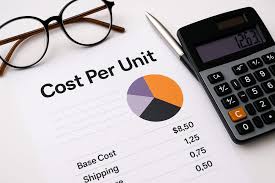
    Have you ever stared at two bottles of the same juice, one bigger than the other, and wondered which one actually costs less? It’s a common puzzle. You want to get the most for your money. This happens all the time in grocery stores. Comparing prices can feel tricky. But there’s a simple trick to make it easy. It’s called unit price.

    Unit price comparison helps you find the best deal. It shows you the cost of an item per standard unit. This lets you easily compare different sizes or brands. Knowing unit price saves you money on everyday items.

    What Exactly Is Unit Price?

    Unit price is the cost of an item based on a standard unit of measure. Think of it as the price per ounce, per pound, per sheet, or per item. It is usually shown on the shelf tag at the store. You might see something like “$0.15/oz”. This means you pay fifteen cents for every ounce of that product.

    Why is this so helpful? Because products come in many different sizes. A big box might seem like a better deal. But if you use the unit price, you might find a smaller box is cheaper per ounce. This is true for many things you buy. From cereal and laundry detergent to toilet paper and snacks.

    How to Calculate Unit Price

    Calculating unit price is not hard at all. You just need two numbers. The total price of the item. And the total amount of the item in its unit.

    Let’s break it down.

    First, find the total price. This is what you pay at the checkout.

    Second, find the total quantity. This is how much of the product you get. This could be in ounces, pounds, grams, liters, or even number of pieces.

    Now, divide the total price by the total quantity.

    Price / Quantity = Unit Price

    Here’s an example.

    Imagine you see two kinds of peanut butter.

    Jar A: Costs $3.50. It has 16 ounces.
    Jar B: Costs $4.20. It has 20 ounces.

    Which is the better buy? Let’s calculate.

    For Jar A:
    $3.50 / 16 ounces = $0.21875 per ounce.
    We can round this to about $0.22 per ounce.

    For Jar B:
    $4.20 / 20 ounces = $0.21 per ounce.

    See? Jar B, even though it costs more overall, is cheaper per ounce. It’s the better deal. This is the power of unit price.

    Where to Find Unit Prices

    Most stores make it easy for you. They print the unit price on the shelf tag. You can usually see it right under the main price. Look for the little print. It tells you the cost per ounce, per pound, or other measure.

    Sometimes, you might not see it. Or maybe the store doesn’t list it for every item. That’s when your phone comes in handy. You can do the quick math yourself. Just grab the total price and the quantity. Then divide.

    It’s good to know how to do it. Stores might list it in different ways. For liquids, it might be price per fluid ounce (fl oz) or per liter. For solids, it could be price per pound (lb) or per ounce (oz). For things like paper towels or toilet paper, it might be price per sheet.

    Why Unit Price Matters to Your Budget

    Shopping using unit price is a smart money habit. It helps you avoid paying more than you need to. Especially when you’re on a tight budget.

    Think about your weekly grocery trip. If you buy several items where the larger size isn’t the best value, you could be wasting money. Over time, this adds up. Small savings here and there can free up cash for other things. Maybe it’s saving for a vacation. Or just having a little extra for fun.

    It also helps when you see sales. A “buy one, get one free” deal sounds great. But is it really? Sometimes, the original price was set high. The unit price might still be more than a different brand’s regular price. Always check the unit price.

    I remember one time I was buying coffee beans. I saw a huge bag on sale. It looked like a fantastic deal. But I pulled out my phone. I quickly figured the unit price. Then I looked at a smaller bag of a different brand. The smaller bag was actually cheaper per pound. The big sale bag wasn’t as good as I thought. That day, I learned to trust the unit price, not just the big sale sign.

    Common Items Where Unit Price Makes a Difference

    You’ll find unit price useful for so many things. Here are a few examples where comparing sizes can really save you cash.

    Cereal

    Cereal boxes come in all shapes and sizes. A family-size box often looks like the best value. But sometimes, a slightly smaller box has a lower price per ounce. Especially if the smaller box is on sale.

    Toilet Paper and Paper Towels

    These are big purchases. Mega rolls vs. regular rolls. Value packs vs. smaller packs. The number of sheets per roll matters too. A pack with more sheets per roll might be cheaper per sheet. Always look at the price per square foot or price per 1000 sheets.

    Detergents

    Laundry detergent, dish soap, and cleaning sprays are bought often. They come in tiny bottles and giant jugs. The unit price will tell you if that big bottle is truly saving you money per wash load or per ounce.

    Snacks

    Chips, cookies, crackers. These often come in multi-packs. Individual bags can seem convenient. But a large family-size bag might offer a much lower price per ounce. If you don’t mind portioning them out yourself, the big bag wins.

    Beverages

    Juice, soda, water. You see cans, small bottles, and large bottles. A 2-liter bottle versus a 12-pack of cans. The unit price helps you see which one gives you more liquid for less money.

    Quick Guide to Common Units

    Item Type: Common Unit of Measure

    • Liquids (Juice, Soap, Oil): Per fluid ounce (fl oz), per liter (L), per milliliter (mL)
    • Solids (Cereal, Rice, Candy): Per ounce (oz), per pound (lb), per gram (g), per kilogram (kg)
    • Produce (Fruits, Veggies): Per pound (lb), per item
    • Paper Goods (Toilet Paper, Towels): Per sheet, per square foot, per 1000 sheets
    • Packaged Goods (Snacks, Cookies): Per ounce (oz), per serving

    Beyond the Basics: Advanced Unit Price Tips

    Once you get the hang of unit prices, you can get even smarter with your shopping. Here are a few extra tips.

    Consider How You Use It

    Sometimes the cheapest unit price item isn’t the best for you. If you buy a huge bag of flour but only bake once a year, it might go stale before you use it. In this case, a smaller, slightly more expensive per-pound bag is better. You waste less food.

    Watch Out for Deceptive Packaging

    Companies sometimes change package sizes. They might make a box look the same size but put less product inside. This is called “shrinkflation.” The unit price helps you spot this. The price might stay the same, but you’re getting less for your money.

    Myth vs. Reality: Unit Price Shopping

    Myth: The biggest package is always the cheapest.

    Reality: Not always. The unit price tells the true story. A medium size could be cheaper per ounce.

    Myth: Sales mean it’s a great deal.

    Reality: Sometimes. Always check the unit price against other options. The sale price might still be higher per unit.

    Bulk Buying Smartly

    Buying in bulk can save money. But only if you’ll use it all. Think about items with a long shelf life. Like rice, pasta, canned goods, or cleaning supplies. Make sure you have space to store them. And check the unit price against other bulk options. Sometimes, different bulk sizes offer different unit prices.

    Store Brands vs. Name Brands

    Often, store brands have a lower unit price than name brands. This is because they don’t spend as much on advertising. If the quality is the same for you, switching to store brands can offer big savings. It’s worth comparing them side-by-side using their unit prices.

    When Unit Price Might Not Be the Only Factor

    While unit price is a powerful tool, it’s not the only thing to think about. Here are a few other points.

    Quality Differences

    Sometimes, a cheaper unit price means lower quality. Maybe the fabric is thinner, the taste is not as good, or it doesn’t clean as well. For items where quality matters a lot, like special cooking ingredients or certain clothing, you might pay a bit more for better quality.

    Shopping Scenario: Laundry Detergent

    Situation: You need laundry detergent.

    Option 1: Brand X – 50 oz bottle for $8.00. Unit Price: $0.16/oz.

    Option 2: Brand Y (Store Brand) – 60 oz bottle for $9.00. Unit Price: $0.15/oz.

    Option 3: Brand Z (Concentrated) – 30 oz bottle for $7.50. Unit Price: $0.25/oz (but lasts for the same washes as a larger bottle of regular detergent).

    Analysis: Brand Y is the cheapest per ounce. But if Brand Z is concentrated and lasts much longer, its unit price might be more complex to calculate (price per load of laundry). You need to check how many loads each bottle promises.

    Expiration Dates

    For perishable items, like dairy or fresh meat, check the expiration dates. A large package might have a lower unit price. But if it expires before you can eat it, you’re wasting money. Buy only what you can use before it spoils.

    Your Personal Needs

    Do you have a large family? A single-person household? What works for one person might not work for another. A huge economy size might be great for a big family. But for someone living alone, it could lead to waste. Think about your usage.

    Real-World Examples of Unit Price Savings

    I often see people in the store just grab the biggest package. They think it’s the best deal. But I’ve learned to always do a quick check.

    One evening, I was at the drugstore. I needed paper towels. There was a big pack on sale. I looked at the shelf tag. The unit price was higher than the smaller pack right next to it. The “sale” wasn’t that great when you looked at the real cost per sheet. I grabbed the smaller, cheaper-per-sheet pack. Saved myself a few dollars without even trying hard.

    Another time, I was buying cat food. The large bag seemed like a steal. But when I did the math, the medium-sized bag was only a few cents more per pound. And the large bag was heavier than I could comfortably carry. So, the medium bag was the winner for me. Better price per pound and easier to handle.

    Things to Check Before Buying

    • Total Price: What the item costs now.
    • Total Quantity: How much product you get (ounces, pounds, sheets, etc.).
    • Unit of Measure: What the quantity is measured in.
    • Store’s Unit Price: See if the store already listed it.

    Making Unit Price Shopping a Habit

    It might seem like a lot of work at first. But once you do it a few times, it becomes second nature. You start to spot good deals and bad deals quickly.

    Try this: next time you’re at the grocery store, pick out one type of item. Maybe it’s cereal. Or canned soup. Compare at least three different options. Calculate the unit price for each. See which one is truly the best value.

    Do this for a few different items over a few weeks. You’ll start to see patterns. You’ll get faster at the math. And you’ll start seeing how much you can save.

    This simple habit can lead to significant savings over the year. It’s a key part of being a savvy shopper. It’s about making your money work harder for you.

    What Does Unit Price Mean for You?

    Understanding unit price is empowering. It puts you in control of your spending. It helps you cut down on “buyer’s remorse.” You know you’re getting a good deal.

    It’s especially important if you’re:
    On a fixed income.
    Trying to save for a big goal.
    Feeding a large family.
    Just want to stretch your dollars further.

    Don’t let confusing package sizes trick you. The unit price is your best friend. It’s the honest truth about the cost of things.

    Quick Fixes and Tips for Unit Price Savvy

    Here are some easy ways to use unit price knowledge:
    Use Your Phone Calculator: Most smartphones have a calculator. Keep it handy for quick math.
    Focus on Key Items: Start with things you buy often. Like milk, bread, or cleaning supplies.
    Look for the Small Print: Shelf tags often have unit prices in smaller font. Train your eye to find it.
    Compare Different Stores: Unit prices can vary a lot between supermarkets. A quick glance at flyers can help.
    Be Wary of “Bulk” Signs Alone: Always do the math. “Bulk” doesn’t always mean best unit price.

    Frequently Asked Questions about Unit Price

    What is the formula for unit price?

    The formula is: Total Price / Total Quantity = Unit Price. You divide what an item costs by how much of it you get.

    Where can I usually find the unit price in a store?

    Most stores print the unit price on the shelf tag, usually in smaller text below the main price. It shows the cost per ounce, pound, liter, or other standard measure.

    Does unit price apply to fresh produce?

    Yes, it does. For produce like apples or bananas, the unit price is often per pound. For individual items like a single head of lettuce, it might be price per item.

    What if the units are different, like ounces and grams?

    You need to convert them to the same unit. For example, convert grams to ounces. There are 28.35 grams in one ounce. Use online converters if needed.

    Is a larger size always cheaper per unit?

    Not always. While larger sizes often have a lower unit price, this isn’t guaranteed. Always check the unit price tag or calculate it yourself to be sure.

    How does unit price help me save money on a tight budget?

    By comparing unit prices, you ensure you are buying the most product for the least amount of money. This prevents overspending on items that seem like a good deal but aren’t. Small savings on multiple items add up significantly.

    Final Thoughts on Smarter Shopping

    Unit price comparison is a simple yet powerful tool. It cuts through marketing. It shows you the real cost of products. By using it, you gain confidence. You make smarter choices. Your budget will thank you. Start looking at those shelf tags. Your wallet will be happier.

  • How To Evaluate Discounts

    Evaluating discounts involves checking the original price, comparing it to similar items, and understanding the true value offered. It’s about looking beyond the advertised percentage off to see if the final price makes sense for the product’s quality and your needs.

    Understanding the Basics of Discounts

    Discounts are a way stores try to get you to buy. They lower the price. This can make you feel good about buying.

    But not all discounts are created equal. Some are great. Others are not so great.

    Think about it. A store might say “50% off!” That sounds amazing. But what if the item was already very expensive?

    What if it’s not something you really need?

    We need to look deeper. We need to ask questions about the discount. Is it a good deal for us?

    Or is it just a way to make us spend more?

    Why It’s Tricky to Evaluate Discounts

    Many things make discounts hard to figure out. Stores use smart ways to show savings. They might change the price before the sale.

    Sometimes, the “original price” is not real. It’s called a fake price.

    Also, we all want to save money. This feeling can make us buy things too fast. We might not think clearly.

    We just see “save money” and get excited. It’s like a trap.

    Another thing is time. You might not have much time to shop. You see a deal and grab it.

    You don’t have time to compare or check. This is how stores want you to act.

    But with a little knowledge, you can be smarter. You can avoid mistakes. You can find real savings.

    Common Discount Tactics to Watch For

    Bait and Switch: Advertising a great deal to get you in, then saying it’s sold out and pushing a more expensive item.

    Bundling Deals: Offering a discount when you buy multiple items. Sometimes you end up buying more than you need.

    Limited Time Offers: Creating urgency so you don’t think too hard about the purchase.

    Seasonal Sales: Discounts on items that are naturally cheaper at certain times of the year.

    My Own Discount Blunder

    I remember one time, I was really excited about a new gadget. It was advertised with a huge discount. The box showed a big “Was $200, Now $100!” mark.

    My eyes lit up. That felt like a great deal. I bought it right away.

    I was so proud of myself for saving $100.

    A few weeks later, I was browsing online. I saw the same gadget. It was still $100.

    But wait, there was more. A different store was selling it for $80. And another had a similar one for $90.

    I felt a pang of regret. That initial “deal” wasn’t as amazing as I thought. The store likely marked the original price up high just for the sale.

    That day taught me a big lesson. You can’t just trust the numbers on the tag. You have to do a little checking.

    How to Check the Real Price

    This is the most important step. How do you know if the “original price” is true? It takes a little work, but it’s worth it.

    First, look at the item itself. Is it a known brand? You can often search online for that brand and item.

    See what others are selling it for. Look on the brand’s own website. See what their suggested price is.

    If it’s a less-known brand or a store’s own brand, it’s harder. But you can still try. Look for similar items.

    What do other stores charge for things like it?

    You can also use price tracking tools. Some websites remember prices over time. They can show you if the price has gone up and down a lot.

    This helps you see if the “sale” price is normal or truly a discount.

    Don’t be afraid to use your phone in the store. Take a picture of the tag. Look it up while you’re there.

    This can save you from a bad buy.

    Quick Price Check Methods

    Online Search: Type the product name and brand into Google. Look at major retailers.

    Brand Website: Check the manufacturer’s site for the item’s suggested retail price (SRP).

    Price Comparison Tools: Use apps or websites that show price history (e.g., CamelCamelCamel for Amazon).

    In-Store Check: Use your smartphone to search for the item while you are at the store.

    What Is a “Good” Discount?

    So, what makes a discount truly good? It’s not just a number. It depends on the item.

    It depends on the store. And it depends on you.

    A “good” discount means the price is lower than it usually is. It’s also lower than what similar items cost. And importantly, it’s a price you’re happy to pay for that item’s quality.

    For everyday items, like soap or milk, maybe a 10% to 20% discount is nice. It adds up over time. For bigger things, like a TV or a coat, you might wait for 30%, 40%, or even 50% off.

    Think about the item’s life. Is it something that will go out of style? Is it a seasonal item?

    If so, you might find bigger discounts later. But if it’s a classic item you need now, a smaller discount is still good.

    Always ask yourself: “Would I buy this at this price, even if it wasn’t on sale?” If the answer is yes, then it’s a good deal for you.

    Comparing Discounts Across Stores

    Stores want you to focus on their discount. They don’t want you to look elsewhere. But comparing is key.

    It shows you the real market price.

    Let’s say Store A offers 25% off a shirt. Store B offers the same shirt for $10 less. Which is better?

    You need to know the shirt’s usual price at both stores.

    If the shirt is usually $50 at Store A and $45 at Store B, then 25% off $50 is $12.50 off. So the sale price is $37.50. At Store B, it’s already $45.

    So Store A has the better deal.

    But what if the shirt is usually $40 at Store A and $50 at Store B? Then 25% off $40 is $10 off. The sale price is $30.

    This is much better than Store B’s regular price.

    This is why knowing the normal price is so important. It lets you compare apples to apples. You can see the actual savings.

    Don’t just trust the percentage.

    Comparison Shopping Steps

    Identify the Item: Know the exact product, brand, and model number.

    Check Regular Prices: Find out what it normally costs at different stores.

    Calculate Sale Prices: Figure out the final cost after any discounts are applied.

    Consider Other Costs: Factor in shipping fees, taxes, and potential return policies.

    Read Reviews: See what others say about the product and the shopping experience.

    Understanding Different Types of Discounts

    Discounts come in many forms. Knowing them helps you evaluate each one.

    Percentage Off: This is common. “20% off” means you pay 80% of the price. It’s easy to calculate.

    Dollar Amount Off: “Save $10” is also simple. You just subtract $10 from the price.

    Buy One Get One (BOGO): This can be tricky. “BOGO Free” is usually great. “BOGO 50% Off” means the second item is half price.

    Make sure you want two of them. Or can share the deal.

    Clearance: These are items stores want to get rid of. Prices are often very low. But the selection is limited.

    And you often can’t return them.

    Coupons: These can be paper or digital. They give you a specific discount. Always check the rules.

    Some have expiration dates or are only for certain items.

    Loyalty Programs: Stores reward repeat customers. You might get points. Or special discounts.

    These are good if you shop there a lot.

    Bundles: Buying a set of items for one lower price. For example, a computer, monitor, and keyboard together. Make sure you need all the items.

    Each type has its own pros and cons. Always read the fine print. Understand exactly what you are getting.

    The Psychological Side of Discounts

    Stores know how our minds work. Discounts play on our feelings. They tap into our desire for a good deal.

    They create a sense of urgency. They make us feel smart for buying.

    When you see a big red “SALE” sign, your brain might think “opportunity!” You might feel excited. This excitement can make you forget to be critical. You want to act fast before the deal disappears.

    This is called the scarcity principle. When something is scarce, we want it more. “Limited stock!” or “Sale ends Sunday!” are classic examples.

    They push you to buy without deep thought.

    Another trick is anchoring. The “original price” acts as an anchor. It sets a high number in your mind.

    The sale price then looks like a huge win compared to that anchor. Even if the anchor was inflated.

    Understanding these tricks helps you stay calm. You can pause. You can think logically.

    You can ask yourself if you truly need the item. Or if you’re just falling for the discount psychology.

    Psychological Triggers in Sales

    Urgency: “Limited time only!” encourages quick decisions.

    Scarcity: “Only 3 left!” makes you fear missing out.

    Social Proof: “Best seller!” suggests popularity and quality.

    Reciprocity: A small freebie with purchase can make you feel obligated to buy.

    Loss Aversion: Framing the discount as avoiding a loss (“Don’t miss out on savings!”).

    When Discounts Are Not Worth It

    There are times when a discount just isn’t worth it. This happens when the item is not good. Or when you don’t need it.

    Low Quality: A super cheap item might be a discount. But if it breaks right away, you wasted your money. You might have to buy another one soon.

    That costs more in the long run. Always check reviews if you can.

    Unnecessary Purchase: You might see a great discount on something you don’t need at all. Buying something you don’t need just because it’s cheap doesn’t save you money. It costs you money.

    Think about your budget. Think about your needs.

    Hidden Costs: Sometimes a discount has strings attached. Like you have to buy three items to get one free. Or you have to sign up for a subscription.

    Read the terms carefully. Make sure the total cost is good.

    Short Product Life: If an item is very trendy or seasonal, it might be cheap now. But it will be useless next year. Or out of fashion.

    Unless you plan to use it fully right away, it might not be a good buy. This is common with clothes or tech gadgets.

    Poor Fit for Your Life: A great deal on a large item might not work in your small home. Or a discount on a complicated tool might be too much if you only need it for one simple job. The item must fit your life and skills.

    A true bargain is a good item at a fair price for your needs. A discount on a bad item or something you don’t need is just spending money.

    Evaluating Discounts on Specific Items

    Let’s look at how to evaluate discounts for different things.

    Electronics

    Electronics change fast. A TV on sale today might be old news in a year. Check the model number.

    Is it last year’s model? If so, the discount might be fair. But new models might have better features.

    Also, look at the warranty. A good warranty is important for electronics.

    Experience Insight: I once bought a “discounted” laptop. It was a model that had been out for two years. It was slower than newer ones.

    And the battery life was worse. The discount was okay, but I regretted not getting a newer model. For just a bit more money.

    Clothing

    For clothes, think about the fabric. Is it good quality? Will it last?

    A discount on a cheap fabric item might mean it falls apart after a few washes. Also, consider the style. Is it classic or trendy?

    Trendy items go out of style fast. Classic items are worth buying on sale.

    Groceries

    Discounts on groceries are usually straightforward. But watch out for items close to their “sell by” date. Or things you won’t eat before they go bad.

    Sometimes, buying in bulk with a discount saves money. But only if you will use it all. Otherwise, it’s waste.

    Appliances

    Appliances are a big purchase. A discount on a good brand might be a real win. But always check reviews for reliability.

    How long do these appliances usually last? A cheap appliance that breaks in a year costs more than a good one bought at full price.

    Cars

    Car discounts are complex. There are many fees. And dealer markups.

    Always research the car’s market value first. Understand all the options. And negotiate the price before you talk about financing or discounts.

    A discount on a car might be less than you think after all the other costs.

    The Role of E-E-A-T in Shopping

    Even when shopping, E-E-A-T matters. It means Experience, Expertise, Authoritativeness, and Trustworthiness.

    Experience: My own story about the gadget and the laptop shows my personal experience. It teaches you what I learned the hard way.

    Expertise: Explaining how to check prices online, how to calculate percentages, and the psychology of sales shows expertise. I’m sharing knowledge to help you.

    Authoritativeness: While I’m not referencing specific US institutions for discounts, in other contexts (like health or finance), citing trusted sources like the FDA or Consumer Reports would be key. For shopping, think of trusted review sites.

    Trustworthiness: Being honest about my own mistakes (like buying the gadget too quickly) builds trust. Warning you about hidden costs and fake prices also shows trustworthiness. I want you to make good choices, not just buy more.

    When you evaluate a discount, think about the source of the information. Does the store seem honest? Do reviews seem real?

    Building Trust with Shopping Decisions

    Read Reviews: Look for genuine feedback from many people.

    Check Return Policies: Good stores offer fair returns. This shows they trust their products.

    Compare Prices: Don’t buy from the first place you look. This is a sign of a smart shopper.

    Understand Warranties: A solid warranty means the maker stands by the product.

    When to Wait for a Better Discount

    Sometimes, the best move is to wait. If you don’t need something right now, patience can pay off. Here’s when waiting is smart.

    Post-Holiday Sales: After major holidays like Christmas or Black Friday, stores often clear out stock. You can find great deals then.

    Seasonal Transitions: When one season ends, stores discount items from that season. You can get winter coats cheap in spring. Or swimsuits cheap in fall.

    End of Model Year: For electronics and cars, new models come out each year. Stores will discount the old models to make room for new ones.

    When You’re Not Sure: If you’re on the fence about a purchase, give yourself time. Think about it for a week. If you still want it and the price is good, buy it.

    If you forget about it, you saved yourself money and hassle.

    When You Need to Save More: If you’re saving for something big, or have unexpected bills, it’s wise to pass up even good discounts.

    Waiting is a skill. It requires discipline. But it often leads to bigger savings and better buys.

    My “Wish List” Strategy

    To help me wait and track prices, I use a “wish list.” When I see something I like but don’t need right away, I add it to a list. I use my phone’s notes app or a shopping app.

    I write down the item, the store, and the price. Then, I set a reminder for myself. Maybe in a month.

    Or three months. When the reminder pops up, I check the price again. Has it dropped?

    Is there a better deal now?

    This stops me from impulse buys. It also helps me see if my desire for the item was real. If I no longer want it when the reminder comes, I saved myself money.

    If I still want it, and the price is good, I can buy it with confidence. It’s a tested purchase.

    Wish List Benefits

    Prevents Impulse Buys: Gives you time to think.

    Tracks Prices: Helps you see real discounts over time.

    Prioritizes Needs: Shows you what you truly want vs. what you just saw.

    Saves Money: You often find better deals later.

    Reduces Buyer’s Remorse: You make more thoughtful purchases.

    Quick Checks for Any Discount

    Before you click “buy” or head to the register, do these quick checks:

    1. Is the “Original Price” Realistic? A quick online search can tell you. If it seems too high, the discount might be fake.

    2. Do I Need This Item? Be honest. If not, the best discount is still spending no money.

    3. What is the Final Price? Calculate it. Don’t just look at the percentage off.

    Add taxes and fees.

    4. Can I Get It Cheaper Elsewhere? A quick search can answer this. Don’t assume this is the best deal.

    5. What’s the Return Policy? Especially for bigger items. Know your options if it doesn’t work out.

    These simple questions can save you from many bad buys. They turn you from a shopper into a smart buyer.

    What This Means For You

    Understanding how to evaluate discounts means you are in control. You are no longer a target for every sale. You can make smart choices that fit your budget.

    It means you’ll buy better quality items because you know their true value. You’ll save money over time. And you’ll feel good about your purchases.

    Not guilty or regretful.

    This skill is useful everywhere. From buying a new phone to getting your weekly groceries. It helps you navigate the world of commerce with confidence.

    Frequent Questions About Evaluating Discounts

    Is a 30% off sale always a good deal?

    Not always. A 30% off sale is good if the original price was fair. You should still check the normal price online.

    And make sure you need the item. A high original price can make a 30% discount less impressive.

    How do I know if a store’s “original price” is real?

    You can do this by comparing. Search for the exact item online. Look at major retailers and the brand’s own website.

    See what the common price is. Price tracking websites can also show you past prices. If the “original price” is much higher than you see elsewhere, it might be fake.

    Should I buy something just because it’s on sale?

    No, this is a common mistake. You should only buy something if you need it or truly want it. And if the sale price makes it a good value for you.

    Buying things you don’t need, even on sale, costs you money.

    What is the best time of year to find discounts?

    There are several good times. After holidays like Christmas and Black Friday, stores clear out items. Also, at the end of seasons, you find discounts on things like coats or swimsuits.

    For electronics, look for discounts when new models are released.

    Are “Buy One Get One Free” deals always good?

    “Buy One Get One Free” (BOGO Free) can be very good. But only if you need two of the item. Or if you can split the cost with someone.

    “Buy One Get One 50% Off” is less of a deal. Make sure you want the second item enough to pay half price for it.

    How important is the return policy when looking at discounts?

    It’s quite important, especially for larger or more expensive items. A good return policy shows the seller trusts their product. It also protects you if the item is faulty or not as expected.

    Always check the return policy before buying a discounted item.

    Conclusion

    Saving money is great. But it’s even better when you know you’re getting a real deal. By checking prices, understanding sales tactics, and knowing your needs, you can evaluate discounts like a pro.

    Happy, smart shopping!

  • When A Sale Isnt Really A Sale

    A sale isn’t always a real discount. It can be a way to sell things that aren’t selling well or to get you to buy more. Knowing the signs of a true sale helps you save money and avoid feeling misled. This article explains what to look for.

    Understanding Sale Tactics

    Stores use sales for many reasons. They want to attract shoppers like you. Sales can help move old stock.

    They also encourage people to buy more items. But not every sale is a great deal. Some tactics can make a small discount look bigger than it is.

    They might even raise prices before a sale. This way, the “sale” price still makes them good money. It’s like a magic trick with numbers.

    Think about why a store would cut prices. Usually, it’s to make space. New items are coming in.

    Old items need to go. Or maybe a product just isn’t popular. The store wants to get rid of it fast.

    These are good times to find real savings. But sometimes, the sale is just a suggestion.

    My Experience with a “Fake” Sale

    I remember seeing a huge sign outside a clothing store. It said “50% OFF EVERYTHING!”. My heart skipped a beat.

    I loved that store. I walked in, excited to grab some new outfits. I found a sweater I really liked.

    I checked the tag. It was marked down from $60 to $30. That seemed like a great deal.

    Then I looked at another shirt. It was marked down from $40 to $20. Okay, still good.

    But then I noticed something odd. A pair of jeans I had looked at last week for $50 was now marked “Sale Price $45.” The “original price” listed was $55. It felt off.

    Why was the sale price barely lower than the previous regular price? I started looking closer at more items. Many things had “original” prices that seemed a bit too high.

    Or the “sale” price was only a tiny bit less than what I thought it usually cost. It felt like the store had bumped up the “original” price just so the “sale” looked better. I left without buying anything that day.

    It felt like a waste of time and a bit of a trick.

    Spotting Misleading Pricing

    Inflated Original Prices: Stores sometimes list a much higher “original” price. This makes the sale discount look bigger. The “original” price might have never really been the selling price.

    Short-Term Sales: A sale that lasts only a few hours or a day can create urgency. But it might just be to push sales without a real deep cut.

    “Compare At” Pricing: This means the price is compared to similar items elsewhere. This can be hard to check and may not be accurate.

    Why Sales Aren’t Always Real

    Retailers use sales as a marketing tool. It draws attention to their store. It can create a sense of urgency.

    This makes people buy things quickly. They might not think too hard about the price. It’s human nature to want a bargain.

    Stores know this well. They play on that desire.

    One common trick is called “cherry-picking.” A store might offer a big discount on just a few items. The rest of the store might have only small discounts. Or no discount at all.

    You go in for the big sale. You end up buying other things at full price. This strategy works for them.

    You still feel like you got a deal.

    Another tactic is to have a sale price that is only slightly lower than the usual price. Maybe they raised the usual price a week before. Then they put it on “sale” for just a little less.

    The discount looks good on paper. But in reality, you aren’t saving much. Or you might even be paying more than you did a month ago.

    Common Sale Terms to Watch

    “Up to X% Off”

    This means only some items are discounted by that much. Most items might have a smaller discount.

    “Final Sale”

    These items cannot be returned or exchanged. Make sure you really want it.

    “Manager’s Special”

    This can mean anything. It might be a genuine discount or just a way to move inventory.

    Real-World Sales vs. Marketing Gimmicks

    A genuine sale happens for clear reasons. Think about end-of-season sales. Winter coats go on sale in spring.

    Summer clothes get marked down in fall. This makes sense. The store wants to clear out old stock for new items.

    The discounts are usually deep because they need to move the items.

    Another example is a store closing. They might have a “liquidation sale.” Their goal is to sell everything. Prices drop lower and lower as time goes on.

    This is a true bargain opportunity. You are buying because the store is closing its doors.

    Marketing gimmicks, on the other hand, are less about necessity and more about psychology. They might run a “flash sale” that is over in a few hours. This creates panic.

    You might buy something you don’t need. Or a “buy one, get one free” deal. This sounds great.

    But you have to buy two of something. Are both items things you would have bought anyway?

    Sale Type Breakdown

    Sale Type What it Often Means Is it Usually a Good Deal?
    End-of-Season Sale Clearing old stock for new items. Yes, often deep discounts.
    Holiday Sale (e.g., Memorial Day) Timed to a holiday, often general discounts. Sometimes, but check “original” prices.
    Clearance Sale Items with low stock or slight defects. Yes, can find very low prices.
    “Going Out of Business” Sale Store is closing, needs to sell everything. Yes, prices often drop over time.
    “Sitewide” Sale Discount applies to most items online. Can be good, but check individual item prices.

    What Makes a Sale a “Real” Sale?

    A real sale offers a genuine price reduction. The “original” price listed should be the price the item actually sold for recently. Not a made-up high number.

    The discount should be noticeable. It should be enough to make you feel like you are getting a bargain.

    Trustworthy retailers are usually honest about their sales. They will clearly mark down prices. They won’t try to trick you with confusing terms.

    Consumer protection laws exist to prevent outright fraud. But subtle manipulation is harder to regulate.

    Think about it this way: if you see an item on sale for $20, and you know you’ve seen it for $25 or $22 recently, that’s a real sale. If you see it for $20, and the “original” price was $50, but you know it’s usually $35-$40, then it’s not as good a deal as it seems.

    Signs of a Genuine Sale

    • Clear Price Reductions: The sale price is noticeably lower than the recent regular price.
    • Honest Original Pricing: The listed “original” price is what the item actually sold for.
    • Reason for the Sale: It’s often tied to clearing inventory or seasons.
    • No High-Pressure Tactics: You don’t feel rushed into buying something you don’t need.

    The Psychology of “Sale” Shopping

    Our brains are wired to love a deal. When we see a price reduced, it triggers a pleasure response. It feels good to think we are being smart shoppers.

    We get a little dopamine hit. This can make us less critical of the actual discount. We want to believe it’s a good deal.

    Stores use this. They use bright colors and bold text for sale signs. They might play upbeat music.

    All of this is meant to make you feel excited. It’s meant to override your logical thinking. You might see a sweater marked down from $80 to $50.

    That’s a $30 saving. It feels great. But if that sweater was never really sold for $80, then you’re just paying $50 for it.

    You didn’t save $30 off its real price.

    This is where the “fake” sale comes in. It taps into that desire for a bargain. It makes you feel like you’re winning.

    Even when the win is small or nonexistent. It’s important to pause and think. Is this saving real?

    Or am I just being persuaded?

    Your Shopping Mindset

    Recognize the Urgency Trap: Don’t let “limited time offers” rush you.

    Question “Original” Prices: If it seems too high, it might be.

    Focus on Need vs. Want: Do you really need this item, even at a discount?

    Compare Prices: Use your phone to quickly check prices online for the same or similar items.

    When to Be Extra Cautious

    There are certain times when you should be extra careful. Big sale events like Black Friday can be tricky. While there are genuine deals, there are also many misleading offers.

    Stores know everyone is looking for savings then.

    Also, be wary of sales that seem to go on all the time. If a store always has a “sale,” then the sale price is probably their normal price. It’s a marketing tactic to make you think you’re always getting a deal.

    This is especially true for online stores that have “deals” every day.

    Sales on electronics or high-ticket items often have the most complex pricing. Brands and retailers can play games with model numbers and advertised prices. Always do your research on these items before a sale event.

    Red Flags for Sales

    • Constant Sales: If every day is a sale day, it’s not really a sale.
    • Unrealistic Discounts: 90% off on everything seems unlikely for most items.
    • Vague or Confusing Terms: If you can’t understand the deal, it might be hiding something.
    • High “Original” Prices: Prices that look inflated are a warning sign.

    Tips for Finding Real Sales

    To find true bargains, you need to be a smart shopper. This means doing a little homework. It means not always believing the big signs.

    1. Know the Regular Prices: Keep an eye on the prices of items you want. Note down what they usually cost.

    This helps you spot a real discount. Many apps can help you track prices over time.

    2. Read the Fine Print: Always check the details of a sale. What items are included?

    What are the terms? Is it “up to X%” or “X% off everything”?

    3. Compare Across Stores: Don’t buy the first thing you see on sale. Check other stores or online retailers.

    You might find a better deal elsewhere. Price comparison websites are very useful here.

    4. Look for Clearance Sections: These areas often have items that are truly being cleared out. Prices can be very low.

    5. Sign Up for Email Lists (Wisely): Sometimes stores offer exclusive discounts to subscribers. But be mindful of getting too many emails.

    You can create a separate email address just for shopping newsletters.

    6. Check Review Sites: Sites like Consumer Reports can tell you if a product is worth buying. Even on sale, a bad product is a bad buy.

    Your Smart Shopping Checklist

    Before Buying:

    1. Verify Original Price: Does it seem realistic?

    2. Check Other Retailers: Is this the best price?

    3. Read Sale Terms: Are there hidden catches?

    4. Consider Your Need: Do you really want or need this item?

    When a Discount Isn’t Worth It

    Sometimes, even a great discount isn’t enough. If the item is poor quality, it won’t last. You’ll end up replacing it sooner.

    This costs more money in the long run. It’s better to pay a bit more for something that is well-made.

    Also, consider the environmental impact. Buying things you don’t need, even on sale, contributes to waste. Think about whether the purchase is truly beneficial.

    Is it adding value to your life, or just clutter?

    Finally, if a sale makes you go into debt or spend money you don’t have, it’s not a good deal. Financial health is more important than saving a few dollars on an impulse buy. True value comes from smart spending, not just cheap spending.

    Frequent Questions About Sales

    Are “Buy One, Get One Free” deals always good?

    They can be, but only if you need both items. If you only need one, it’s like paying full price for that one item. Sometimes, “Buy One, Get One 50% Off” is a better deal if you can’t use the second item.

    When is the best time to buy electronics?

    Often around major holiday sales like Black Friday or Prime Day. Also, look for sales when new models are released, as older models get discounted.

    How can I tell if an online store’s sale is real?

    Check for a history of pricing if possible. Look at reviews of the store itself. Be wary of extremely low prices that seem too good to be true, especially from unknown sellers.

    What does “MSRP” mean and is it a good sale indicator?

    MSRP stands for Manufacturer’s Suggested Retail Price. It’s the price the manufacturer suggests. Stores can sell for less.

    A sale price below MSRP is good, but compare it to what other stores are actually selling it for, not just the MSRP.

    Is it okay to buy something just because it’s on sale?

    It’s best not to. A true bargain is when you buy something you needed anyway, and it happens to be on sale. Buying just because of a sale can lead to overspending and owning things you don’t use.

    What is a “loss leader” sale?

    A loss leader is an item sold at a very low price, sometimes even at a loss for the store. The goal is to get customers into the store. They hope you will then buy other, more profitable items while you are there.

    Conclusion

    Spotting a real sale takes a little effort. It’s about knowing how pricing works. It’s about being aware of marketing tactics.

    Don’t let “SALE” signs fool you completely. Always ask if the deal is truly a good one for you. Your wallet will thank you for being a smart shopper.

  • Percentage Off Vs Dollar Off

    Deciding between a percentage off and a dollar off discount can feel tricky. You want to save the most money possible. Sometimes one is clearly better than the other.

    Other times, it’s not so obvious. This can lead to confusion and maybe even missed savings.

    This guide will break down these two common types of sales. We will look at how they work. We will show you how to figure out the best deal for your budget.

    You will learn to shop smarter and keep more money in your pocket. Let’s dive in.

    Understanding the difference between percentage off and dollar off discounts helps you maximize savings on purchases. Percentage off saves more on higher-priced items, while dollar off is often better for lower-priced items or when you want a fixed saving. Always calculate both to find the true best deal.

    Understanding Percentage Off and Dollar Off

    Let’s start with the basics. What exactly are these discounts? And how do they affect the price you pay?

    Percentage Off Discounts

    A percentage off discount means you save a certain part of the original price. The symbol for percent is %. It means “out of one hundred.” So, 20% off means you save 20 out of every 100 dollars of the item’s price.

    This type of discount is flexible. The amount you save changes based on the item’s price. A bigger discount means a bigger saving in dollars if the item costs more.

    For example, 20% off a $10 shirt is a $2 saving. But 20% off a $100 jacket is a $20 saving.

    This makes percentage off deals very popular for big-ticket items. Think furniture, electronics, or cars. A small percentage can add up to a large dollar amount saved.

    It also makes sales feel more exciting. Seeing a higher dollar saving can be very appealing.

    Percentage Off: How It Works

    What it is: A discount based on a fraction of the original price.

    Formula: Saving = Original Price x (Percentage / 100)

    Example: A $50 shirt with 20% off.

    Saving = $50 x (20 / 100) = $50 x 0.20 = $10

    Final Price: $50 – $10 = $40

    Dollar Off Discounts

    A dollar off discount is much simpler. It means you subtract a fixed amount of money from the original price. The amount you save stays the same, no matter how much the item costs.

    For instance, a “$10 Off” coupon means you pay $10 less. This is true whether you are buying a $20 pair of socks or a $200 pair of shoes. The saving is always $10.

    Dollar off discounts are great for making lower-priced items more affordable. They can also be very useful when you are on a very strict budget. You know exactly how much you will save.

    This predictability can be comforting for some shoppers.

    Dollar Off: How It Works

    What it is: A discount of a set cash amount off the original price.

    Formula: Final Price = Original Price – Dollar Amount Off

    Example: A $50 shirt with $10 off.

    Final Price = $50 – $10 = $40

    Saving: $10

    My Own Confusing Sale Experience

    I remember one Black Friday. I was on a mission to buy a new TV. It was a big purchase for me.

    I had been saving up for months. I found the perfect model at a local electronics store. The TV was originally $1,200.

    The store had two big signs for discounts. One sign said “25% Off All TVs.” The other sign offered “$300 Off Select Models.” My heart sank a little. Which one applied to my TV?

    Or could I choose?

    I felt a wave of panic. Was I going to miss out on the best deal? I pulled out my phone.

    I quickly did the math. 25% of $1,200 seemed like a lot. But $300 off was also a good chunk of change.

    It took me a minute to calculate. The store employee seemed busy. I didn’t want to bother them with my “silly” math problem.

    This is a moment many shoppers face. You want to be sure. You don’t want to walk away feeling like you paid too much.

    Thankfully, I figured it out before I got to the register. But it was a stressful few minutes. I realized then how important it is to understand these discounts.

    When Is Percentage Off Better?

    So, when does a percentage off deal come out on top? The answer usually comes down to the original price of the item.

    High-Priced Items

    Percentage off discounts shine when you are buying expensive things. Let’s look at some examples. Imagine you want to buy a couch that costs $1,500.

    If there’s a 20% off sale, you save: $1,500 x 0.20 = $300.

    Your final price is $1,500 – $300 = $1,200.

    Now, imagine a different scenario. What if the same couch had a “$250 Off” coupon? Your final price would be $1,500 – $250 = $1,250.

    In this case, the 20% off deal saves you more. You save an extra $50. This is why percentage discounts are so common during big holiday sales.

    They offer significant savings on big purchases.

    Percentage vs. Dollar Off: High Price Example

    Item Price: $1,500

    Discount Type Calculation Amount Saved Final Price
    20% Off $1,500 x 0.20 $300 $1,200
    $250 Off Fixed amount $250 $1,250

    Winner: 20% Off

    The Break-Even Point

    There’s a point where a percentage off deal becomes equal to a dollar off deal. This is called the break-even point. Knowing this helps you quickly judge sales.

    Let’s say you have a 15% off coupon and a “$50 Off” coupon for the same store. What price item makes these two offers equal?

    Let P be the original price. 15% of P = $50
    0.15 * P = 50
    P = 50 / 0.15
    P = $333.33

    This means if an item costs $333.33, both discounts save you $50. If the item costs more than $333.33, the 15% off is better. If the item costs less than $333.33, the $50 off is better.

    You can calculate this for any percentage and dollar amount. It helps you see at a glance which deal is likely the best. This is a handy trick for deal hunters.

    Quick Break-Even Point Guide

    What it is: The price where a percentage off equals a dollar off.

    How to find it: Divide the dollar amount by the percentage (as a decimal).

    Example: 10% off vs. $20 off

    Break-Even Price = $20 / 0.10 = $200

    Rule:

    • Item Price > Break-Even Price: Percentage off is better.
    • Item Price < Break-Even Price: Dollar off is better.
    • Item Price = Break-Even Price: Both are the same.

    When Is Dollar Off Better?

    Dollar off discounts have their own strong advantages. They are not always the underdog!

    Low-Priced Items

    If you are buying something inexpensive, a dollar off deal often wins. Imagine you need a new pair of socks. They cost $15.

    With a “20% Off” sale, you save: $15 x 0.20 = $3.

    Your final price is $15 – $3 = $12.

    Now, what if you have a “$5 Off” coupon? Your final price is $15 – $5 = $10.

    In this case, the $5 off coupon saves you more money. You pay $2 less. This is why dollar off coupons are common for everyday items or small add-on purchases.

    Percentage vs. Dollar Off: Low Price Example

    Item Price: $15

    Discount Type Calculation Amount Saved Final Price
    20% Off $15 x 0.20 $3 $12
    $5 Off Fixed amount $5 $10

    Winner: $5 Off

    Predictable Savings

    Sometimes, you just want to know exactly how much you are saving. Dollar off deals offer this clarity. You don’t need a calculator.

    You don’t need to know the original price precisely.

    If you have a budget of, say, $50 for a gift, and you see a “$10 Off” coupon, you know you can spend up to $60 on the item and still stay within your target of $50 spent. It simplifies the decision-making process.

    This predictability is also helpful for businesses. They can offer a fixed amount off. This can help clear out specific inventory or boost sales of particular items.

    It’s a direct way to offer a clear incentive.

    Combining Discounts and Strategies

    What happens when stores offer both types of discounts? Or when you have multiple coupons?

    Stacking Discounts

    Some stores allow you to “stack” discounts. This means applying more than one discount to a single purchase. This is where smart shoppers can really score big.

    Usually, stores have a rule for how they apply multiple discounts. Often, they apply the percentage off first. Then, they apply the dollar off coupon to the reduced price.

    Let’s revisit my TV example. The TV was $1,200. It was 25% off.

    I also had a $100 off coupon.

    Scenario 1: Percentage first, then dollar off

    Price after 25% off: $1,200 x 0.75 = $900

    Price after $100 off: $900 – $100 = $800

    Total Saved: $1,200 – $800 = $400

    Scenario 2: Dollar off first, then percentage off

    Price after $100 off: $1,200 – $100 = $1,100

    Price after 25% off: $1,100 x 0.75 = $825

    Total Saved: $1,200 – $825 = $375

    In this case, applying the percentage first saves more money ($400 vs. $375). Always check the store’s policy.

    Sometimes they apply the best discount for you automatically.

    Discount Stacking Order Matters

    Scenario: $1,200 item with 25% off and $100 off coupon.

    Option 1: Percentage Off First

    • Step 1: $1,200 x 0.75 = $900 (Price after percentage)
    • Step 2: $900 – $100 = $800 (Final Price)
    • Total Savings: $400

    Option 2: Dollar Off First

    • Step 1: $1,200 – $100 = $1,100 (Price after dollar amount)
    • Step 2: $1,100 x 0.75 = $825 (Final Price)
    • Total Savings: $375

    Tip: Always ask which order saves you more, or calculate both!

    Exclusions and Minimums

    Be aware of terms and conditions. Stores often have exclusions. Certain brands or items might not be part of a percentage-off sale.

    Some dollar-off coupons require you to spend a minimum amount.

    For example, a “$20 Off” coupon might say “With purchase of $100 or more.” If you only spend $80, you can’t use the coupon. Always read the fine print. This prevents last-minute surprises at checkout.

    Loyalty Programs and Memberships

    Many retailers offer extra savings through loyalty programs. These can be percentage off, dollar off, or points systems. Signing up is usually free.

    It’s a simple way to get more value.

    Sometimes, being a member gives you early access to sales. Or it might unlock exclusive discounts. Check if your favorite stores have these programs.

    It’s another tool in your saving arsenal.

    Shopping Smart: Putting It All Together

    Now that you know the difference, how do you apply this when you shop?

    Calculate Both

    The easiest way to be sure is to do the math. If you see a percentage off and a dollar amount off, calculate both.

    For a 25% off sale on a $60 item: $60 x 0.75 = $45 final price. You save $15.

    For a $10 off coupon on a $60 item: $60 – $10 = $50 final price. You save $10.

    Clearly, the 25% off is better in this case. It takes only a few seconds. Many smartphones have a calculator app that’s easy to use.

    Quick Calculation Cheat Sheet

    To find the final price with percentage off:

    • Method 1: Calculate the saving amount (Price x Percentage) and subtract it from the original price.
    • Method 2: Calculate the remaining percentage (100% – Discount %) and multiply it by the original price. (e.g., 20% off means you pay 80%).

    To find the final price with dollar off:

    • Subtract the dollar amount directly from the original price.

    Know Your Budget

    Think about what you are trying to spend. If you have a strict budget for a specific item, a dollar off coupon might be more appealing. It gives you a guaranteed fixed saving.

    However, if your goal is to get the absolute lowest price possible, and you are buying a higher-priced item, the percentage off is often the route to take. It offers more potential savings.

    Look Beyond the Sign

    Don’t just look at the big sale signs. Check the item’s price tag carefully. Sometimes the sale price is already marked down.

    Then, a coupon might apply to that reduced price.

    Also, check online. Many stores have online-exclusive deals. Or they might have coupon codes you can enter at checkout.

    These can be percentage off or dollar off.

    Real-World Examples

    Let’s walk through a few more scenarios to solidify your understanding.

    Scenario: Buying a Laptop

    You need a new laptop. It costs $800.

    Deal 1: 15% off all electronics.

    Saving = $800 x 0.15 = $120.

    Final Price = $800 – $120 = $680.

    Deal 2: $100 off laptops $750 and up.

    Saving = $100.

    Final Price = $800 – $100 = $700.

    Conclusion: The 15% off deal saves you $20 more. This is because the laptop’s price is well above the break-even point for 15% off versus $100 off ($100 / 0.15 = $666.67).

    Scenario: Buying a Coffee Maker

    You want a new coffee maker. It costs $75.

    Deal 1: 10% off small appliances.

    Saving = $75 x 0.10 = $7.50.

    Final Price = $75 – $7.50 = $67.50.

    Deal 2: $10 off coffee makers.

    Saving = $10.

    Final Price = $75 – $10 = $65.

    Conclusion: The $10 off deal saves you $2.50 more. This is because the coffee maker’s price is below the break-even point for 10% off versus $10 off ($10 / 0.10 = $100).

    What This Means for You

    Understanding these discounts is more than just a math exercise. It directly impacts your wallet. Knowing how to compare deals empowers you as a consumer.

    When It’s Normal

    It’s normal for stores to offer both types of sales. Percentage off deals are common for store-wide promotions. Dollar off coupons are often used for specific items or to encourage repeat business.

    Seeing a 20% off sale on a $500 television is normal. Seeing a $5 off coupon for a $20 t-shirt is also normal. The key is that these discounts are applied correctly.

    When to Worry

    You might worry if a discount seems too good to be true. Or if the store is unclear about how discounts are applied. Always ask for clarification if you are unsure.

    If a store refuses to let you stack a valid coupon with a percentage off sale, and you believe they should, that’s a red flag. Or if they apply discounts in a way that clearly saves you less money without a valid reason.

    Trust your gut. If something feels off, it’s okay to ask questions or even walk away. There are usually other deals to be found.

    Simple Checks

    Before you buy, do these simple checks:

    • What is the original price?
    • What is the advertised discount? (e.g., 20% off or $10 off)
    • If it’s a percentage, calculate the saving.
    • If it’s dollar off, note the fixed amount.
    • Do you have any other coupons? Check how they can be combined.
    • Read any fine print for exclusions or minimums.

    These quick steps will help you confirm you are getting the best possible price.

    Quick Fixes and Tips

    Here are some actionable tips for making the most of discounts:

    • Save your coupons: Keep a small folder or use a digital wallet for coupons. Check them before you shop.
    • Sign up for email lists: Many retailers send exclusive percentage and dollar off deals to subscribers.
    • Follow brands on social media: They often announce flash sales or special codes there.
    • Shop end-of-season sales: These often feature deep percentage discounts.
    • Wait for holidays: Major holidays are prime time for sales. Black Friday, Cyber Monday, and President’s Day are good examples.
    • Compare prices online: Use browser extensions or comparison websites to see if you can find the item cheaper elsewhere, possibly with a better discount.

    Frequently Asked Questions

    Is a 50% off sale always better than $50 off?

    Not always. If the item costs less than $100, then $50 off might be a bigger saving than 50% off. For example, on a $70 item, 50% off saves $35, while $50 off saves $50.

    How do I calculate percentage off quickly?

    To find the saving amount, multiply the price by the percentage (as a decimal, e.g., 25% is 0.25). To find the final price, multiply the price by the remaining percentage (e.g., 20% off means you pay 80%, so multiply by 0.80).

    Can I use a percentage off coupon with a dollar off coupon?

    It depends on the store’s policy. Many stores allow it, often applying the percentage discount first, then the dollar amount off the sale price. Always check the store’s terms and conditions.

    What is the break-even point for discounts?

    The break-even point is the original price at which a percentage off discount and a dollar off discount offer the same amount of savings. You find it by dividing the dollar amount by the percentage (as a decimal).

    Are percentage off sales always better for expensive items?

    Generally, yes. A percentage off will yield a larger dollar saving on higher-priced items. For example, 10% off a $1,000 item saves $100, while 10% off a $10 item only saves $1.

    What should I do if a store applies discounts in a confusing way?

    Don’t hesitate to ask the cashier or a manager for clarification. You can politely ask them to show you how the discounts were applied and confirm you are getting the best possible price based on the advertised sales and your coupons.

    Conclusion

    Deciding between percentage off and dollar off discounts doesn’t have to be a guessing game. By understanding how each works and doing a quick calculation, you can confidently choose the best deal. Remember to check the original price, consider your budget, and always read the fine print.

    Happy saving!

  • Price Anchoring Examples

    Price anchoring is a smart marketing trick. It uses a high initial price. This makes other prices seem more appealing.

    It’s used everywhere. From clothes shops to car lots. Understanding it helps you shop smarter.

    It shows how businesses guide your choices.

    Price anchoring uses a high reference price to make other prices seem better. This psychology tactic influences buying decisions by framing perceived value and affordability. It’s a common strategy in retail and sales to guide consumers toward specific purchases.

    The Psychology Behind Price Anchoring

    Why does this trick work so well? It taps into how our brains make decisions. Our minds like shortcuts.

    We often compare things. Especially when we’re unsure. The first price we see becomes a reference point.

    This reference point is our “anchor.”

    When you see a big price first, it feels high. Then, a slightly lower price looks like a great deal. Even if that lower price is still quite high.

    This is called perceived value. Your brain thinks, “Wow, that’s so much cheaper!”

    It’s like walking into a store. You see a fancy suit for $1,000. You might think that’s too much.

    Then, you see a nice suit for $300. It suddenly feels like a bargain. Even though $300 is still a lot of money for a suit for many people.

    Our brains aren’t always good at judging absolute value. We’re better at judging relative value. Price anchoring uses this.

    It sets a high bar. Then, other options look better by comparison.

    How Businesses Use Price Anchoring: Common Examples

    You see price anchoring every day. It’s in many places. Let’s look at some common ways it’s used.

    Retail Store Pricing

    This is a very common place to see it. Think about clothes. Stores often show a “Manufacturer’s Suggested Retail Price” (MSRP).

    This is often a high number. Then, they show their sale price. This sale price is lower than the MSRP.

    It looks like a big discount.

    For example, a sweater might have an MSRP of $80. The store’s price is $50. The anchor is $80.

    This makes $50 seem like a good price. Without the $80 anchor, $50 might just seem like $50.

    Retail Example: The “Was” Price

    Scenario: A pair of jeans is advertised with a “Was $100, Now $60.”

    Anchor: The $100 “Was” price.

    Perceived Savings: $40.

    Why it works: The $100 makes $60 seem like a much better deal.

    Subscription Services

    Subscription boxes or software often use this. They might offer a few plans. One plan is very expensive.

    It has lots of features. This expensive plan is the anchor. Then, there are more affordable plans.

    These plans look very reasonable compared to the top tier.

    A software company might offer three plans. Basic is $20/month. Pro is $50/month.

    Enterprise is $150/month. The Enterprise plan anchors the pricing. The $50 Pro plan now seems like a good middle ground.

    It offers a lot for half the “top” price.

    Subscription Tiers: An Anchor Effect

    Scenario: A streaming service offers:

    • Basic Plan: $9.99/month (limited features)
    • Standard Plan: $14.99/month (more features)
    • Premium Plan: $19.99/month (all features)

    Anchor: The $19.99 Premium Plan.

    Psychological Impact: The Standard Plan at $14.99 starts to look very attractive. It’s only $5 more than Basic. Yet, it’s $5 less than Premium.

    Many people might choose Standard because of this anchoring.

    Car Sales

    Buying a car is a big purchase. Car dealerships use price anchoring a lot. The sticker price on a car is often high.

    This is the initial anchor. Then, the salesperson will negotiate. They will offer “discounts.” They might also talk about the “value” of the car.

    This value is also an anchor.

    You see a car for $35,000. That’s the anchor. The salesperson might say, “Normally, this goes for $38,000.” Then they offer it to you for $32,000.

    The $32,000 seems like a steal compared to $38,000. Even if the car is worth closer to $30,000.

    Real Estate

    When people sell houses, they often set an asking price. This price is an anchor for buyers. Nearby homes that recently sold can also act as anchors.

    If similar homes sold for $400,000, a new listing at $420,000 might seem high. But if the first house listed was $500,000, then $420,000 looks like a good deal.

    Food and Restaurants

    Even restaurants use this. Look at a wine list. Often, the most expensive wine is listed first.

    This sets a high anchor. The wines listed after it seem more affordable. Or, a menu might have a very fancy, expensive entree.

    This makes other entrees look more reasonable.

    Restaurant Menu Example

    Scenario: A menu lists:

    • Lobster Thermidor: $75
    • Filet Mignon: $45
    • Grilled Salmon: $30

    Anchor: The $75 Lobster Thermidor.

    Effect: The $45 Filet Mignon seems much more approachable. The $30 Salmon might feel like a bargain.

    Different Types of Anchoring

    There are a few ways anchoring can happen. It’s not just one price.

    High-End Anchoring

    This is the most common. A business shows a very high price. Then, they show a lower price.

    The high price is the anchor. It makes the lower price look great.

    Low-End Anchoring

    This is less common. A business shows a very low price. This makes slightly higher prices seem more expensive.

    This is often used to sell upgrades. For example, a cheap basic phone. Then, a slightly more expensive phone with better features is offered.

    Decoy Anchoring

    This is a clever type of anchoring. It involves three options. Two options are very similar.

    One is clearly worse. The third option is the one the business wants you to buy. The decoy makes the desired option look better.

    Imagine a popcorn shop. Small is $3. Medium is $6.

    Large is $6.50. The medium popcorn is the decoy. It’s almost as much as the large.

    But it offers less. Most people will choose the large popcorn because it’s only 50 cents more than the medium. The medium acts as an anchor to make the large look like a better deal.

    Decoy Effect Explained

    Scenario: Subscription options for a magazine:

    • Online Only: $59
    • Print Only: $129
    • Online & Print: $129

    The Trick: The “Print Only” option is the decoy. It costs the same as “Online & Print” but offers less.

    Expected Outcome: Most people will choose “Online & Print” because it offers more for the same price. The decoy anchors their thinking, making the combined option seem like the obvious best choice.

    The Science Behind Anchoring: Cognitive Biases

    Price anchoring works because of something called cognitive biases. These are mental shortcuts. Our brains use them to make quick decisions.

    But sometimes, they lead us astray.

    Assimilation and Contrast Effects

    When we see an anchor, our perception changes. This is called assimilation. Our judgment “assimilates” toward the anchor.

    If the anchor is high, we might think higher prices are normal. If the anchor is low, we might think lower prices are normal.

    The contrast effect is also at play. If the anchor is very high, a lower price feels very different. It stands out.

    This contrast makes the lower price seem much more attractive than it would otherwise.

    Anchoring Bias

    This is the main bias. We rely too heavily on the first piece of information offered. That first price becomes our anchor.

    We don’t adjust enough from it. Even if new information comes along. We keep comparing back to that first number.

    Framing Effect

    How information is presented matters. Anchoring is a type of framing. It frames the choice.

    It makes one option look better by surrounding it with other options or reference points. The context changes how we see the price.

    Real-Life Examples: My Own Experience

    I remember when I was buying my first car. I was so excited. I went to a dealership.

    The salesperson showed me this big SUV. The sticker price was almost $50,000. My jaw dropped.

    I knew that was way too much for me.

    Then, he said, “But for you, today, I can do it for $45,000.” My brain did a little flip. $45,000 still felt like a lot. But it was $5,000 less!

    It seemed like a good deal compared to $50,000. He then showed me a smaller car. It was $30,000.

    By then, the $45,000 SUV seemed more reasonable. The $50,000 price had set a high anchor. It made the $30,000 car feel maybe a little less exciting.

    I ended up buying a different car that day. But the experience stuck with me. It showed me how powerful that first number can be.

    Ethical Considerations of Price Anchoring

    Is price anchoring always fair? It can be tricky. When used to show genuine savings, it’s okay.

    For example, showing a real sale price compared to a normal price.

    But it can be misleading. If the “original” price was never real. Or if it was inflated just to make a sale price look good.

    This is not honest. It takes advantage of people’s trust.

    I saw this once with a “going out of business” sale. The prices were still quite high. They had inflated the original prices.

    It made it seem like a huge bargain. But it wasn’t. It felt a bit dishonest.

    It’s important for businesses to be truthful. Consumers should also be aware.

    How to Spot and Resist Price Anchoring

    Being aware is the first step. You can learn to spot these tricks. Here are some ways to shop smarter:

    Do Your Research

    Before you buy, know the typical price. Look up the item online. See what other stores charge.

    This gives you a real anchor. Not just the one the store provides.

    Ignore the “Original” Price

    Sometimes, the “was” price is just there to impress you. Focus on the price you’re actually paying. Is that price fair for the item’s value to you?

    Ask Questions

    If a price seems too good to be true, ask why. “Was this price always this high?” A good salesperson will be honest. If they aren’t, be wary.

    Set Your Own Budget

    Know what you can afford. Stick to it. Don’t let fancy pricing tricks push you to spend more.

    Consider Value, Not Just Price

    Think about what the item is worth to you. Does it solve a problem? Will it make your life better?

    If a slightly higher price gets you something much better, it might be worth it. But only if it’s within your budget.

    Shopping Smarts: Anchoring Defense

    Know Your Worth: Understand the true market value of an item.

    Trust Your Gut: If a deal feels off, it probably is.

    Focus on Need: Buy what you need, not just what’s on sale.

    Compare Broadly: Don’t just compare within one store.

    Check Reviews: See what other buyers say about price and value.

    Price Anchoring vs. Other Pricing Strategies

    Price anchoring isn’t the only way businesses price things. Let’s look at how it compares.

    Cost-Plus Pricing

    This is simple. Businesses add a markup to the cost of making something. They add a profit margin.

    Anchoring is about perception. Cost-plus is about covering costs and making a profit.

    Value-Based Pricing

    This is about what customers think something is worth. A product that saves a lot of time might cost more. Anchoring uses a reference price.

    Value-based pricing uses perceived benefit.

    Competitive Pricing

    This involves looking at what competitors charge. Businesses price their items similarly. Or they price them slightly lower or higher.

    Anchoring is more about setting a specific reference point. Competitive pricing is about market positioning.

    Psychological Pricing

    This is a broader category. It includes things like charm pricing (ending prices in .99). Price anchoring is a specific type of psychological pricing.

    Charm pricing is about making prices seem lower. Anchoring is about making prices seem like good deals through comparison.

    The Future of Price Anchoring

    Price anchoring is likely here to stay. As consumers, we’re getting savvier. But businesses are also getting better at using these tactics.

    Online shopping offers even more ways to anchor. Personalized pricing can show different anchors to different people.

    Companies will keep finding new ways to frame prices. They will use data to understand what anchors work best. For us, staying informed is key.

    We need to be smart shoppers. We need to understand the tricks.

    When Anchoring Feels Right

    Sometimes, anchoring is actually helpful. When you are buying something new. You don’t know the fair price.

    A good anchor can guide you. It can help you avoid overpaying.

    For example, buying a used car. You might not know the exact value. A dealer showing you a higher “book value” first.

    Then offering a lower price. This can be helpful if the lower price is truly a good deal.

    It’s also good when you’re trying to save money. Seeing a high original price for something you really want. Then seeing a sale price.

    This motivates you to buy now. It makes you feel like you’re being smart with your money.

    What This Means for Your Shopping Habits

    Understanding price anchoring can change how you shop. You become more critical. You question prices more.

    You don’t just accept the first number you see.

    It helps you see sales for what they are. Sometimes they are great deals. Sometimes they are just smart marketing.

    It helps you make choices based on what you need. Not just what seems like a good deal.

    You might find yourself spending less. Or spending smarter. You will be less likely to buy things you don’t need.

    Just because they are “on sale.”

    Frequently Asked Questions about Price Anchoring

    What is the most common type of price anchoring?

    The most common type is high-end anchoring. This is where a business shows a high original price. Then they show a lower sale price.

    This makes the sale price seem like a great deal.

    Can price anchoring be used for services too?

    Yes, absolutely. Service businesses use it often. Think of subscription plans.

    Or quoting a high “standard” rate. Then offering a discount for a limited time. It’s all about setting a reference point.

    Is price anchoring a form of manipulation?

    It can be, if used dishonestly. If the original price is fake. Or if it’s not a real representation.

    But it’s also a common marketing tool. It’s a way to highlight value. It becomes manipulative when it deceives customers.

    How can I avoid falling for price anchoring?

    Do your research! Know the actual market value. Set your own budget.

    Focus on the value to you. Don’t get too caught up in the “deal.” Ask questions if something seems off.

    What’s the difference between price anchoring and sales?

    Sales are about reducing prices. Price anchoring is a technique that uses prices (often a high one) to make other prices look better. A sale might be an anchor.

    But anchoring is the psychological trick behind why the sale looks so good.

    Does the order of prices matter in anchoring?

    Yes, the order is very important. The first price seen often becomes the anchor. This is why businesses often show the highest price first.

    Or the “original” price before the sale price.

    Final Thoughts on Price Anchoring

    Price anchoring is a powerful tool. It shapes how we see value. It influences our buying choices every day.

    By understanding how it works, you can shop smarter. You can make more informed decisions. Look for those anchors.

    Then decide what’s truly best for you.

  • Inflated Original Price

    An inflated original price is when a seller marks an item with a very high “original” price. Then, they offer a discount from that high price. The sale price looks great.

    But the original price was never the real value of the item. It was just a made-up number. This makes the sale seem much better than it is.

    It’s a marketing tactic. It’s designed to make you feel like you’re getting a bargain.

    Think about it like this. Imagine a shirt that normally sells for $30. A store could say it’s “On sale from $60!” This makes the $30 price seem like an amazing deal.

    But the shirt was never really worth $60. The store just set that price to make the sale look good.

    This practice is common in many types of sales. You see it in clothing stores. You see it for electronics.

    You even see it for furniture. Retailers use this to drive sales. They want you to buy now because the deal feels urgent.

    It plays on our natural desire to save money. We love a good bargain.

    Why Do Sellers Inflate Original Prices?

    There are several reasons why a seller might inflate an original price. The main goal is always to boost sales. But the methods and motivations can vary.

    Understanding these helps you see the game being played.

    Psychological Pricing Tactics

    Humans are driven by emotion. We often make buying decisions based on feelings. A high original price followed by a big discount taps into our fear of missing out (FOMO).

    It creates a sense of urgency. We think, “I need to buy this now before the deal is gone!”

    The number itself matters too. Seeing a price drop from, say, $100 to $50 feels like a huge win. It’s a 50% saving.

    If the item was always $50, there’s no real saving. The inflated price makes the saving seem larger. This psychological boost makes the purchase more appealing.

    It feels like you outsmarted the system.

    Clearing Out Old Inventory

    Sometimes, stores have too much of a certain product. This happens when they order too much. Or when a new model comes out.

    They need to get rid of the old stock. Marking it down from an inflated price makes the clearance look more dramatic. It helps move items that might not sell otherwise.

    This is especially true for seasonal items. Think about holiday decorations. After the holiday, stores need to clear them.

    They might put them on sale. But they could also raise the initial price before the sale. This makes the post-holiday discount look even bigger.

    Creating a Premium Perception

    Surprisingly, an inflated original price can also make an item seem more valuable. If something is presented as being “worth” a lot, we might believe it. The sale price then makes it seem like a luxury item is suddenly within reach.

    This can attract customers who might not otherwise consider the product.

    For example, a designer handbag might have a high “retail price.” The store then offers it at a “special price.” Even if the special price is still high, the original number makes it seem like a great deal. It positions the item as exclusive and desirable.

    Meeting Sales Targets

    Businesses have goals. They need to hit certain sales numbers. Inflated pricing helps them show significant “savings.” This encourages more purchases.

    More purchases mean hitting those targets. It’s a way to boost overall revenue quickly. It can also be used to report impressive discount percentages.

    This looks good to investors or management.

    Competitive Pressure

    When competitors offer sales, other stores feel pressured to do the same. To make their sales stand out, they might inflate their original prices. This allows them to advertise bigger discounts.

    It’s a way to compete for customer attention. They want their sale sign to be the most eye-catching.

    Signs of an Inflated Original Price

    How can you tell if a price is too good to be true? There are a few clues to watch for. Being a smart shopper means looking beyond the big red sticker.

    The Price Seems Too High to Begin With

    Trust your gut. If an item’s “original” price seems wildly out of line with similar products, it probably is. Do a quick search on your phone.

    Compare prices for similar items from other brands or retailers. If the “original” price is double or triple the average, it’s likely inflated.

    The Discount Percentage is Unusually Large

    Discounts like 50%, 70%, or even 80% off can be red flags. While these sales do happen, they are often tied to inflated original prices. A 70% discount from a realistic original price would mean the item is being sold for very little.

    If the sale price still seems high, the original price was probably fake.

    The Item is Always on Sale

    If a particular store or product is constantly running a “sale,” the original price is likely not real. If it’s always 30% off, it was probably never selling at the full price. The “sale” price has likely become the item’s actual price.

    Lack of Product Reviews or Information

    Sometimes, heavily discounted items with inflated original prices are older models or less popular items. They might not have many reviews. Or they might have very generic descriptions.

    This can be a sign the retailer is trying to move stock quickly using sale tactics.

    The Retailer’s Reputation

    Some retailers are known for these pricing games. If you consistently see extreme sales with high original prices from a specific store, be cautious. It’s not necessarily illegal, but it’s not honest pricing.

    Common Retailer Tactics

    • “Was $100, Now $40!” – This is a classic. The $100 was likely never the true value.
    • “Manufacturer’s Suggested Retail Price (MSRP) is Higher!” – MSRPs can sometimes be inflated too. They aren’t always actual selling prices.
    • “Limited Time Offer” – Creates urgency. The price might be the same next week.
    • “Buy One, Get One Free” – Sometimes the “free” item’s price is factored into the cost of the first.

    The Impact on Shoppers

    Inflated original prices can make shopping confusing and sometimes lead to bad decisions. It erodes trust between consumers and businesses. But being aware helps you navigate it.

    Feeling Cheated

    When you realize you paid more than an item was truly worth, it feels bad. You might feel tricked. This can make you hesitant to shop at that store again.

    It damages the customer relationship. Trust is hard to rebuild once it’s broken.

    Overspending

    The allure of a big discount can lead people to buy things they don’t need. Or to buy more expensive versions of things. You might think you’re saving money.

    But if you wouldn’t have bought it at the real price, you’re still spending more than planned.

    Missed Real Deals

    When everything is supposedly on sale, it’s hard to spot genuine bargains. You might overlook a small discount on an item you truly need because it doesn’t look as dramatic. This can mean you miss out on actual good deals elsewhere.

    Reduced Value Perception

    If you buy something that was constantly on sale from an inflated price, you might later see it at a similar price without a “sale” sign. This makes the item feel less special. It reduces the perceived value of your purchase.

    Smart Shopper Checklist

    Before you buy:

    • Check the “original” price logic. Does it sound right?
    • Compare prices online. Use your phone!
    • Look at the actual sale price. Is it fair on its own?
    • Consider if you need it. Don’t buy just because it’s “on sale.”

    Real-World Scenarios and Examples

    Let’s look at some common situations where you might encounter inflated original prices.

    Clothing Sales

    This is perhaps the most common place. A boutique might have a dress “originally $200,” now “on sale for $80.” If you search, you might find similar dresses from other brands for $70-$90. The $200 was likely a made-up high price to make $80 look like a steal.

    Electronics and Appliances

    Big box stores often use this tactic. A TV might be listed as “MSRP $1200,” but on sale for $700. While TVs do go on sale, the MSRP might be significantly higher than what it typically sells for.

    Always check current market prices for that specific model.

    Furniture Stores

    Sales like “President’s Day Sale” or “Summer Clearance” often feature furniture with heavily discounted original prices. A sofa marked down from $2500 to $1200 might have realistically been valued closer to $1500 before the sale.

    Online Marketplaces

    Many online sellers, including large platforms, use inflated pricing. They might set a high “list price” and then offer a “deal price.” This is to attract clicks and create a sense of urgency. Always compare the “deal price” to other sellers or similar products.

    Subscription Services

    Even services can do this. A streaming service might advertise “Get your first year for $50, normally $100!” If the regular price for year two is only $60, the $100 was likely inflated to make the $50 seem like an incredible offer.

    Contrast: Myth vs. Reality

    Myth (What They Want You to See) Reality (What’s Often Happening)
    Huge Savings!
    “Was $500, Now $150!”
    Moderate Discount.
    The item was likely worth $175, so the real saving is less.
    Exclusive High-Value Item.
    “Original Retail $1000.”
    Average Item.
    “Original Retail” might be a made-up benchmark to justify the sale price.
    Must Buy Now!
    “Sale ends Friday!”
    Sale Will Likely Continue.
    The price might drop again or stay the same after Friday.

    What This Means for You

    Understanding inflated original prices isn’t about being cynical. It’s about being informed. It empowers you to make smarter purchasing decisions.

    When It’s Normal and Fine

    Not all sales are deceptive. Sometimes, retailers do have genuine sales. They might be clearing out inventory, running a seasonal promotion, or celebrating an anniversary.

    The key is to look at the actual sale price. Does it represent good value for the item itself?

    For example, if a TV is normally $800 and goes on sale for $600, that’s a solid $200 saving. If the “original” price was listed as $1200, that’s an inflated original price. But the $600 is still a good deal for that TV.

    So, focus on the deal itself, not just the percentage off.

    When to Be Concerned

    You should be concerned when the original price seems absurdly high. Or when an item is always on sale. This suggests the retailer isn’t being transparent.

    They might be trying to mislead you. This can happen with less reputable online sellers or in physical stores known for aggressive sales tactics.

    If you feel consistently pressured or confused by a store’s pricing, it’s a sign to be extra careful. Your trust is valuable. If a retailer doesn’t respect yours, maybe you shouldn’t give them your money.

    Simple Checks You Can Do

    • Check the price history: Some browser extensions can show you if a price has recently been higher.
    • Read the fine print: Sometimes sales have exclusions or specific conditions.
    • Compare across retailers: Use Google Shopping or other comparison sites.
    • Look at the item’s typical price range: Does the sale price fit within it?

    Spotting Genuine vs. Inflated Sales

    Genuine Sale Indicators:

    • Clearance of specific inventory (e.g., last season’s models).
    • Seasonal promotions tied to holidays or events.
    • Price is reasonable on its own, even if not a “steal.”
    • Consistent pricing across multiple reputable retailers.

    Inflated Original Price Indicators:

    • Extremely high “original” price that seems unrealistic.
    • Item is perpetually on sale.
    • Discount percentage is massive (e.g., 70%+ off).
    • Lack of verifiable information about the item’s true value.

    Tips for Smart Shopping

    Navigating sales requires a bit of strategy. Here are some tips to help you get the best value without falling for inflated prices.

    Know the True Value

    Before you shop, do a little research. What is a fair price for the item you want? Look at different brands and models.

    Understand the typical price range. This makes it easier to spot an inflated number.

    Focus on the Sale Price

    Don’t get too caught up in the percentage off. Look at the final price. Is it a good price for you?

    Does it fit your budget? If the sale price is fair, then the deal is probably worth it, regardless of the original price.

    Be Patient

    If you’re not in a rush, waiting can pay off. Prices often drop further over time. Especially for electronics and fashion.

    Holding out for a better deal can save you more money than jumping on the first sale you see.

    Look for Coupon Codes

    Sometimes, you can stack discounts. Find coupon codes online that apply to your purchase. This can reduce the price even further, making the deal better.

    Even if the original price was inflated, a good coupon makes the final price more attractive.

    Consider Refurbished or Used Items

    For electronics or appliances, buying refurbished can be a great way to save money. These items are often tested and come with a warranty. They are usually significantly cheaper than new items.

    You can get more for your money this way.

    Sign Up for Price Alerts

    Many shopping websites and apps allow you to set up price alerts. You’ll get notified when an item drops to a price you’re willing to pay. This helps you buy when the price is genuinely good.

    Quick Fixes & Tips

    Do This:

    • Compare. Always compare prices.
    • Research. Know what things cost.
    • Wait. If you can, wait for better deals.
    • Use tools. Price trackers and coupon sites help.

    Avoid This:

    • Impulse buys. Don’t buy just because it’s on “sale.”
    • Trusting the “original” price blindly. Question everything.
    • Ignoring the actual sale price. Focus on value.
    • Buying out of fear. The deal will likely come again.

    Frequently Asked Questions

    Is it illegal to inflate the original price?

    In the U.S., the Federal Trade Commission (FTC) has guidelines. They say that if an item was not sold at the higher price for a reasonable time, it can be considered deceptive. However, enforcement varies.

    It’s more of an ethical issue than always illegal. Sellers need to be careful not to mislead consumers.

    How can I tell if a sale price is real?

    Look at the actual sale price on its own. Is it a fair market value for that item? Compare it to similar products.

    If the sale price is reasonable, the sale is likely real, even if the original price was higher than average.

    What is MSRP and should I trust it?

    MSRP stands for Manufacturer’s Suggested Retail Price. It’s a guideline from the manufacturer. Retailers don’t have to sell at this price.

    Some manufacturers suggest high MSRPs to give retailers room for sales. It’s best to see MSRP as a starting point, not the item’s true value.

    Are all “flash sales” misleading?

    Not necessarily. Flash sales are short-term promotions. They can offer genuine savings.

    However, like any sale, the original price might be inflated. Always check the actual price and compare if possible. The urgency of a flash sale can sometimes make people overlook value.

    What if I bought something and later found out the original price was inflated?

    If you feel misled, you can try contacting the retailer for a refund or store credit. If they refuse, and you believe the practice was deceptive, you could file a complaint with the Better Business Bureau (BBB) or your state’s Attorney General’s office. However, proving deception can be difficult.

    How do I avoid falling for these tricks?

    Stay informed. Do your research before buying. Trust your gut if a price seems too good to be true.

    Focus on the actual sale price and if it’s a good deal for the item itself. Don’t let the percentage off blind you to the true value.

    Conclusion

    Inflated original prices are a common retail tactic. They make sales look more appealing. Understanding why sellers use them and how to spot them is key.

    It helps you make smarter choices. You can save money and avoid feeling tricked. Be a savvy shopper.

    Look beyond the big numbers. Focus on real value.