Buying used items is a great way to save money and find unique treasures. Many things hold their value well and are safe to purchase second-hand, from furniture and books to certain vehicles and tools. However, understanding what makes a good used purchase versus a risky one is key to smart shopping.
The Smartest Buys: What Holds Its Value
When you look for used items, think about things that are built well. Quality matters a lot. Things that last a long time are usually good bets.
They don’t break easily. Also, think about things that don’t have many small parts. Fewer parts mean fewer things to go wrong.
Many people worry about buying electronics used. But some electronics are still great buys. You just need to know which ones.
Furniture is a big one. A solid wood table can last for ages. It might have a few scratches.
But you can often fix those. Sofas are trickier. You need to check them carefully for bugs or smells.
But if they are clean and in good shape, they can be a bargain. Kids’ stuff is another area. Babies grow fast.
They use things for a short time. Good quality strollers or high chairs can be bought for much less. You save money.
Someone else took the big hit on the price.
Tools are often excellent used buys. A good hammer or wrench is made to last. They don’t change much over time.
So, a used one is often just as good as a new one. The same goes for some kitchen items. Cast iron pans, for example, get better with age.
They are practically indestructible. Think about things that don’t need much technology. Simple is often better when buying used.
My First Big Used Win: The Bookshelf Saga
I remember when I first moved into my small apartment. Money was tight. Really tight.
I needed a bookshelf. Not just any bookshelf, but one that looked decent and could hold all my books. New ones were just too expensive.
I felt a bit stressed walking into a second-hand store. It smelled like old wood and dust. I saw lots of mismatched tables and weird lamps.
Then I spotted it. A tall, dark wood bookshelf. It had clean lines.
It looked sturdy. The price was almost a joke. I felt a little nervous.
What if it was wobbly? What if it had termites? But it was beautiful.
I brought it home. It was heavy. We cleaned it up.
It didn’t wobble at all. It looked perfect in my living room. It made the whole space feel grown-up.
I still have it. It’s one of my favorite pieces. It taught me that patience and a good eye can lead to amazing finds.
Things That Stay Strong Used
- Furniture: Solid wood tables, dressers, chairs. Check for sturdiness.
- Books: Hardcovers and paperbacks are often in great shape.
- Tools: Hammers, wrenches, saws. Quality tools last.
- Kitchenware: Cast iron pans, sturdy mixing bowls.
- Baby Gear: Strollers, bouncers, high chairs. Check for safety recalls.
- Musical Instruments: Guitars, keyboards. Test them first.
- Art & Decor: Picture frames, lamps, unique vases.
Where to Find the Best Used Deals
So, you’re ready to hunt for treasures. Where do you start? There are so many places!
Online is huge. Think of Facebook Marketplace. It’s like a giant yard sale at your fingertips.
You can find almost anything there. People list items daily. You can search by location.
You can often chat directly with the seller. This helps you ask questions. It helps you see if they are friendly.
Craigslist is another big one. It’s older, but still popular. You see items listed there too.
Just be safe when you meet up. Always meet in a public place if you can. Or bring a friend.
There are also dedicated apps and websites. Poshmark is great for clothes. OfferUp is similar to Facebook Marketplace.
Letgo used to be popular but merged with OfferUp. eBay is fantastic for rare items or collectibles. You can find anything from vintage toys to old cameras.
You can also bid on items. This can sometimes get you an even better price.
Don’t forget the real-world places. Thrift stores are amazing. Goodwill and Salvation Army are common.
But there are also smaller, local thrift shops. These can have hidden gems. You never know what you’ll find.
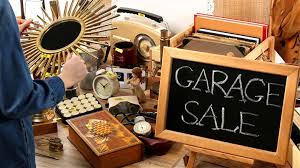
Yard sales and garage sales are fun too. You often have to get there early for the best stuff. Estate sales are great for furniture and home goods.
People are often selling everything from a whole house. It can be a bit sad for the family. But it’s a good chance for you to find quality items.
Your Used Shopping Checklist
Online:
- Facebook Marketplace
- Craigslist
- eBay
- Poshmark (clothes)
- OfferUp
In-Person:
- Thrift Stores (Goodwill, Salvation Army, local shops)
- Yard Sales / Garage Sales
- Estate Sales
- Flea Markets
Things to Be Careful With When Buying Used
Now, let’s talk about the flip side. Some things are just not worth the risk. Safety is a big concern.
Things like car seats or cribs are tricky. They have strict safety rules. If they are old, they might not meet current standards.
They could be broken in ways you can’t see. Also, think about health. Mattresses are a big no-no.
You don’t know what’s in them. Bedding can carry germs or pests. It’s just not sanitary.
Used underwear or socks are also out. That’s pretty obvious.
Electronics can be a gamble. Older TVs might not work with modern systems. Some older computers won’t run new software.
Batteries in things like laptops or phones might be worn out. They won’t hold a charge for long. You might end up spending more to fix them than you saved.
High-tech gadgets with lots of moving parts can fail easily. They can be expensive to repair.
Some things are just hard to clean properly. upholstered furniture, like couches or chairs, can hide smells. They can also hold allergens.
If you have allergies, this is something to avoid. Also, inspect them super carefully for bugs. Even if it looks clean, there could be problems.
Think about anything that requires a lot of upkeep or special parts. If those parts are hard to find, a used item can become a headache.
Food-related items can also be risky. Small kitchen appliances that have electrical cords need to be checked. Old blenders or toasters might have frayed wires.
This is a fire hazard. Even some pots and pans might have non-stick coatings that are worn out. This can be bad for your health.
Always think about the potential for hidden damage or health risks.
Items to Approach with Caution (Or Avoid)
- Safety Gear: Car seats, bike helmets, cribs (check recalls first!)
- Mattresses & Bedding: Health and hygiene concerns.
- Undergarments & Swimwear: Obvious hygiene issues.
- Used Tires: Safety concerns, unseen damage.
- Old Electronics: Compatibility issues, worn batteries, outdated tech.
- Anything with Complex Mechanics: Unless you are an expert.
- Items with Hidden Health Risks: Lead paint, mold, pests.
My Used Car Nightmare (And How I Learned)
I once bought a used car. It was my first car that wasn’t handed down. It looked good.
It had low miles for its age. The price was great. I was so excited.
I took it for a quick test drive around the block. It seemed fine. The seller was a bit pushy.
But I ignored that. I signed the papers. The next day, it started making a weird noise.
A small noise at first. Then it got louder. It sounded like a dying animal.
I took it to a mechanic. He looked at me with pity. He said the engine was on its last legs.
It needed major repairs. The cost was more than I paid for the car. I was devastated.
I learned a hard lesson. Always get a used car inspected by your own mechanic. Never trust the seller’s word alone.
It cost me money and a lot of tears. But I learned to be much smarter with big purchases.
Understanding Vehicle Condition: A Used Car Deep Dive
Buying a used car is a big purchase. It’s one where careful checks are super important. You can save a lot of money compared to buying new.
But you also need to be smart. First, research the make and model. Look up common problems for that car.
Websites like Consumer Reports or J.D. Power can offer insights. They tell you about reliability ratings.
Next, check the vehicle history report. Services like CarFax or AutoCheck can show you accident history. They also list past owners and mileage.
This is a must-do. Then, inspect the car closely. Look for rust, especially on the undercarriage.
Check the tires for even wear. Open and close all doors, windows, and the trunk. Make sure they work smoothly.
Inside, check the upholstery. Look for rips, stains, or smells. Test all the lights, the radio, the AC, and the heater.
The test drive is crucial. Drive it on different types of roads. Listen for strange noises.
Does the engine sound smooth? Do the brakes work well? Does the transmission shift without problems?
Pay attention to how the car handles. After the drive, ask for a pre-purchase inspection. Take it to a trusted, independent mechanic.
They can spot problems you might miss. This small cost can save you thousands.
Used Car Buying Steps
- Research the make and model.
- Get a vehicle history report.
- Inspect the exterior thoroughly.
- Check the interior condition.
- Test all electrical components.
- Take an extensive test drive.
- Schedule a pre-purchase inspection by a mechanic.
When is Used Not Really Worth It? The Hidden Costs
Sometimes, a “deal” on a used item isn’t a deal at all. This happens when the item needs a lot of work. You might think you’re saving money.
But then you have to buy parts. You might need to pay for repairs. The cost can add up fast.
For example, an old appliance might look fine. But if its motor is about to die, you’ll need a new one. Or if a piece of furniture is loose and wobbly, fixing it can be costly.
This is especially true if the parts are hard to find. Imagine buying a vintage lamp. It looks cool.
But the wiring is old and unsafe. Rewiring it might be expensive or difficult.
Another issue is when an item doesn’t work with your current setup. Think about older video game consoles. They might need special cables or adapters to connect to a new TV.
Or software for an old computer might not be available anymore. You can’t use it for what you intended. This makes it useless.
It’s like buying a tool that doesn’t fit your other tools. It’s just frustrating.
Time is also a cost. Searching for the perfect used item can take hours. Driving to different places, meeting sellers, and inspecting items all take time.
If you’re spending days searching, is it really worth the savings? For some people, their time is more valuable. Paying a bit more for something new and reliable might be a better choice.
It gives you peace of mind. It also means you can start using it right away. Without worry.
Hidden Costs of Used Items
- Repair Costs: Parts and labor can add up.
- Upgrade Needs: May require adapters or new accessories.
- Time Investment: Searching, traveling, and inspecting takes time.
- Unforeseen Issues: Problems that aren’t visible initially.
- Lack of Warranty: No safety net if something goes wrong quickly.
My Own DIY Disaster with Used Power Tools
I once found a great deal on a used power saw. It was a brand I trusted. It looked like it had only been used a few times.
The seller said he was moving and just wanted it gone. I thought I hit the jackpot. I needed it for a small home project.
When I got it home and plugged it in, it made a horrible grinding noise. I tried adjusting it. I looked up videos online.
I spent hours trying to figure it out. It turned out a crucial part was worn out. It wasn’t something I could easily
Understanding Wood Furniture Quality
When you look at used wooden furniture, you’ll see different types. Solid wood is the best. This means the whole piece is made from real wood.
Oak, maple, cherry, and mahogany are common. They are strong and can be repaired. Look for pieces that feel heavy.
Check the joints. Are they tight and secure? Can you see wood grain on all sides?
This is a good sign of solid wood.
Then there’s hardwood versus softwood. Hardwoods like oak are dense and durable. Softwoods like pine are lighter and can scratch more easily.
Both can be good buys, but know their differences. Plywood is also used. It’s made of thin layers of wood glued together.
Good quality plywood is strong. It’s often used for drawer bottoms or the back of cabinets. It’s not a bad thing if used well.
Avoid particleboard or MDF (medium-density fiberboard) if you can. These are made from wood dust and glue. They are cheaper.
But they don’t hold up well. They can swell if they get wet. They can break easily.
They are also harder to repair. If a piece of furniture is made of particleboard, it might not be worth the risk. Unless it’s very cheap and for a temporary use.
Always tap on the wood. Solid wood sounds different than particleboard. It has a deeper, richer sound.
Wood Furniture Types: What to Know
Solid Wood:
- Pros: Durable, repairable, looks great.
- Cons: Can be heavy, more expensive (even used).
- Examples: Oak, Maple, Cherry, Walnut.
Plywood:
- Pros: Strong when good quality, stable.
- Cons: Can be weaker if low quality.
- Uses: Drawer bottoms, cabinet backs.
Particleboard / MDF:
- Pros: Cheap, lightweight.
- Cons: Not durable, swells with water, hard to repair.
- Warning: Often a sign of lower quality furniture.
When is Used Electronics a Good Idea?
Buying used electronics can be tricky. But some items are still great buys. Think about things that don’t change much over time.
Simple devices are often better. For example, a basic stereo system or a good set of speakers can last for years. They don’t need software updates.
They just do their job. Older gaming consoles, like a PlayStation 2 or an original Xbox, are popular with collectors. If you find one in good working order, it can be a fun purchase.
Monitors can also be a good deal. If you need a second screen for your computer, a used monitor can be much cheaper. Just make sure it works and doesn’t have dead pixels.
Check the connections to see if they match your computer. Laptops and smartphones are riskier. Batteries wear out.
They get slow with newer software. You might need to buy a new battery. Or it might not be worth the trouble.
If you do buy a used phone or laptop, try to get one that is only a year or two old.
Always ask about the battery life. If possible, test it. Also, check if it has been factory reset.
This clears personal data. Ask if it comes with a charger. Make sure the ports are not damaged.
It’s wise to buy from places that offer a short return window. This gives you time to test it. You can send it back if it doesn’t work.
Used Electronics: Smart Buys vs. Risky Buys
Smarter Buys:
- Simple audio equipment (speakers, stereos)
- Older gaming consoles (for collectors/nostalgia)
- Computer monitors (check for dead pixels)
- Drones (if inspected carefully, often expensive new)
Riskier Buys:
- Smartphones (battery life, software support)
- Laptops (battery, speed, software)
- Tablets (similar to smartphones)
- Complex smart home devices (compatibility issues)
What This Means For Your Wallet
Buying used is a fantastic way to save money. It’s good for your budget. It’s also good for the planet.
When you buy something used, you help reduce waste. You don’t need to make new things. This saves energy and resources.
So, it’s a win-win situation. For many items, the value is still there. Solid furniture, quality tools, and even some vehicles can be bought for a fraction of the original price.
You just need to know what to look for.
It’s all about being a smart shopper. Do your research. Inspect items carefully.
Don’t be afraid to ask questions. If something feels off, trust your gut. There are thousands of great used items out there waiting for you.
They can add character to your home. They can save you money. They can be a source of joy.
Just remember the things to avoid. Keep safety and hygiene in mind. Then, happy hunting!
Quick Tips for Savvy Used Shopping
Always inspect items in good light. Daylight is best. Bring a friend.
Two sets of eyes are better than one. Ask the seller why they are selling the item. This can sometimes give you clues.
Check for signs of damage. Look for scratches, dents, or cracks. Smell the item.
Does it have a musty or smoky odor? For fabric items, check for stains or tears. For electronics, ask if they are still working.
If possible, see them in action. Know the original price. This helps you know if the used price is a good deal.
Be patient. The perfect item might not be there today. But it might be there next week.
Your Used Shopping Toolkit
- Light Source: Good lighting to see details.
- Inspection Checklist: Mental or written list of things to check.
- Magnifying Glass: For close-up inspection of details.
- Measurement Tape: To ensure it fits your space.
- Mobile Phone: To look up prices or common issues.
- Cash: Often preferred and can help with negotiation.
- Patience: The key to finding great deals.
Frequently Asked Questions About Buying Used
What is the best way to buy used furniture?
Inspect it thoroughly for damage, pests, and smells. Check for solid wood construction. Test its stability.
Online listings often have more selection, but seeing it in person at a thrift store or yard sale is best for furniture.
Are used cars a good deal?
Yes, used cars can be a great deal if you do your homework. Always get a vehicle history report and have an independent mechanic perform a pre-purchase inspection. Research common issues for that model.
What should I absolutely NOT buy used?
Avoid items where safety or hygiene is a major concern. This includes mattresses, car seats, baby cribs, and anything that is hard to clean or sanitize properly.
Is it safe to buy used electronics?
It can be, especially for simpler items like speakers or monitors. For complex items like smartphones or laptops, be aware of battery life and potential for obsolescence. Always test them if possible.
How can I avoid getting ripped off when buying used?
Do your research on the item’s value. Inspect it carefully for any hidden damage. Trust your instincts – if something seems too good to be true, it might be.
Get a second opinion from a friend or expert if possible.
Where can I find the best deals on used clothing?
Thrift stores, consignment shops, and online marketplaces like Poshmark are excellent for used clothing. Look for quality brands and check for any flaws like stains or holes before buying.
What are the benefits of buying used items besides saving money?
Buying used is environmentally friendly. It reduces waste and the need for manufacturing new products, saving energy and resources. You can also find unique, vintage, or discontinued items.
Final Thoughts on Smart Second-Hand Shopping
Buying used is more than just a way to save a few bucks. It’s a smart, eco-friendly choice. You can find amazing quality and unique items.
Just remember to shop with your eyes open. Do your checks. Know what’s a good deal and what’s not.
Happy bargain hunting!