













Blog

  • How To Negotiate Price In Store

    Ever walked into a store, seen something you loved, but then winced at the price tag? You’re not alone. That moment of hesitation is common. Many people feel awkward or unsure about asking for a lower price. They think stores always have fixed prices. But sometimes, you can get a better deal. This guide will help you feel more confident. We’ll explore how to approach store price negotiations. You’ll learn which items might be negotiable and what to say.

    Negotiating prices in stores is possible, especially for certain items or situations. It often involves looking for flaws, buying during sales, or bundling products. Being polite, prepared, and knowing when to walk away are key. Not all stores or items allow for negotiation, but knowing the right approach can save you money.

    The Art of the Bargain: Why Negotiation Works

    Think about why a store might lower a price for you. It’s not magic. Stores want to sell things. Sometimes, they can afford to. Certain situations make them more open to a deal. For instance, if an item has a tiny scratch, they might rather sell it for less than not sell it at all. Or maybe they have too much stock. They might offer a discount to clear it out.

    This is especially true for larger purchases. Think about furniture, electronics, or cars. Salespeople there often have some room to move on price. They might have sales targets to meet. Your negotiation could be the push they need to close a sale. Even in smaller shops, a friendly chat can sometimes lead to a small discount. It all depends on the store’s policy and the specific item.

    What Items Can You Actually Negotiate On?

    Not everything in a store is up for a haggle. You won’t get a lower price on a carton of milk. But some items are definitely on the table. Here’s a look at what often works:
    Furniture: This is a big one. Stores often have floor models or items with slight wear. They also get new shipments often. So, old stock might be discounted.
    Electronics: Think TVs, computers, and appliances. Salespeople might have clearance items or older models they want to move.
    Cars: This is a classic negotiation. Dealers expect it. There’s almost always room for a deal.
    Clothing (especially designer or on sale): If an item has a loose thread or a tiny stain, you can often get a discount. It’s also common to negotiate on higher-end items or when buying multiple pieces.
    Appliances: Similar to electronics and furniture. If you’re buying a set, you have more leverage.
    Home Goods: Think rugs, lamps, or decor. Especially if they’ve been on display.
    Anything with a Flaw: A scratch, a dent, a missing button, a slight tear. This is your golden ticket.
    Clearance Items: These are already discounted. But sometimes, you can ask if there’s any more wiggle room.

    What about smaller items? Usually, no. Grocery stores, drugstores, and general merchandise stores with low-priced items rarely negotiate. Their profit margins are too small. They rely on volume. Stick to bigger ticket items for negotiation.

    My Own Awkward Moment: The Slightly Damaged Lamp

    I remember one time I was at a home goods store. I saw this beautiful floor lamp. It was exactly what I needed for my living room. But when I looked closer, there was a small dent on the base. It wasn’t huge, but it was noticeable. My heart sank a little. I really wanted that lamp.

    I stood there for a few minutes, debating. Should I ask? I felt so awkward. What if they said no? What if they thought I was cheap? My palms got a little sweaty. I took a deep breath. I walked over to the sales associate. I pointed out the dent. I asked, in a quiet voice, if they could do anything about the price.

    She looked at it, nodded, and went to check. A few minutes later, she came back. She said they could offer me 15% off the price. I was so relieved and happy! It was a small dent, but it got me a discount. That experience taught me that sometimes, asking is all it takes. Even when you feel nervous.

    When to Look for a Deal: Timing is Everything

    Knowing when to negotiate is as important as knowing how. Certain times of year or events make stores more likely to offer deals.
    End of Season Sales: Stores need to clear out old inventory. Think winter coats in spring or summer dresses in fall.
    Holidays and Special Events: Black Friday, Cyber Monday, President’s Day sales. These are all times when prices are typically lower. You might even be able to negotiate on top* of sale prices.
    Store Anniversaries or Grand Openings: Sometimes, stores offer special deals to celebrate.
    When New Models Arrive: If a new version of a product is coming out, the old one often goes on sale. This is especially true for electronics and cars.
    Floor Models: Items that have been on display can have minor wear. Stores often sell these at a reduced price. You can often negotiate further.
    Slightly Damaged Goods: As I mentioned, this is a great opener.

    Quick Scan: When to Ask for a Discount

    Look for:

    • Items with small cosmetic flaws (scratches, dents, tears).
    • Floor models that have been on display.
    • Older models of electronics or appliances when new ones are out.
    • Items nearing the end of their season or product cycle.
    • Bundles of items (buying more than one).
    • During major sale events, sometimes you can negotiate an extra percentage off.

    Preparing for the Negotiation: Do Your Homework

    Before you even step into a store, some preparation can help.
    Know the Product: Understand what you’re buying. What’s its usual price? What are its features?
    Check Competitors: See what other stores are charging for the same item. If you find a lower price elsewhere, you can use that.
    Look for Sales: Check store flyers, websites, and apps for current promotions.
    Read Reviews: See if others have had success negotiating for this item or at this store.
    Know Your Budget: Decide beforehand how much you’re willing to spend. This prevents you from overpaying.

    How to Approach the Salesperson: Be Polite and Confident

    This is where many people get stuck. They don’t know what to say. The key is to be friendly and respectful.
    Start with a Smile: A warm greeting goes a long way.
    Ask if They Have Authority: For bigger purchases, ask to speak to a manager or someone who can authorize a discount. “Is there anyone here who can help me with pricing on this?”
    Point Out Flaws Gently: “I noticed this has a small scratch here. Is there any chance the price could be adjusted because of that?”
    Bundle Your Purchase: “If I buy this table and the matching chairs, can I get a better overall price?”
    Mention a Competitor’s Price: “I saw this same item at for . Can you match or beat that?”
    Be Prepared to Walk Away: This is your biggest power. If they can’t meet your price, be ready to leave. Sometimes, they’ll call you back with a better offer.

    Contrast Matrix: When to Negotiate vs. When Not To

    Negotiate When:

    • Buying big-ticket items (furniture, electronics, cars).
    • The item has a visible flaw (dent, scratch, tear).
    • The item is a floor model or end-of-season stock.
    • You’re buying multiple items together (bundling).
    • You’ve found a lower price elsewhere.

    Don’t Negotiate When:

    • Buying everyday items (groceries, toiletries, low-cost goods).
    • The store has clearly marked, non-negotiable prices (e.g., dollar stores).
    • The item is brand new with no visible flaws and is in high demand.
    • The store policy explicitly states prices are final.

    Phrases That Work (and What to Avoid)

    Here are some examples of what to say.

    Good Phrases:
    “I really like this, but I noticed a little mark on it. Is there any flexibility on the price?”
    “I’m planning to buy this TV and the soundbar. Can we work out a package deal?”
    “I’m working with a budget of . Can you meet that price for this item?”
    “This is a floor model, right? Is there a discount for that?”
    “I saw this advertised for less at . Do you offer price matching?”

    Phrases to Avoid:
    “Your price is too high.” (Too confrontational)
    “Give me a discount.” (Too demanding)
    “This is all I have.” (Unless you genuinely mean you’ll walk away if they can’t meet it)
    “Can you do better?” (Too vague)
    Complaining loudly about the price.

    My Experience with a Stubborn Salesperson

    There was this one time I was buying a couch. It was a big purchase. I had done my research. I knew the price I wanted to pay. I went into the store and found the perfect one. I pointed out a tiny snag in the fabric. I asked the salesperson if they could reduce the price.

    He just smiled and said, “No, that’s the price. It’s a very popular model.” I tried again. I mentioned I was buying other items too. He was polite but firm. “The price is the price,” he repeated. I felt a bit defeated.

    So, I thanked him and walked out. As I was leaving, a manager saw me. He asked what was wrong. I explained. He immediately went and spoke to the salesperson. Then he came back and said they could give me 10% off. It wasn’t quite what I wanted, but it was something. It showed me that sometimes, you need to be persistent, or escalate to someone with more power.

    Negotiating Online: Is It Possible?

    Negotiating prices online is much harder. Most online stores have fixed prices. However, there are exceptions:
    Large Retailers (like Amazon or Best Buy): Sometimes they have customer service chats. You might be able to chat with someone about a price adjustment if you find it cheaper elsewhere.
    Smaller Online Boutiques: Some smaller businesses might be more flexible. It’s worth sending them an email.
    Using Discount Codes: Always look for coupon codes before buying online.
    “Make an Offer” Features: Some platforms allow sellers to accept offers.

    It’s generally less common to haggle online than in person.

    What About Sales Tax and Fees?

    When you negotiate, you’re usually negotiating the base price of the item. Sales tax is calculated on that final price. So, if you negotiate a lower price, you’ll also pay less in sales tax. Be aware of other fees, like delivery charges. Sometimes, you can negotiate those too, especially for large items.

    The Psychology of Negotiation: Making Them Want to Say Yes

    People often think of negotiation as a battle. But it’s more about finding a win-win.
    Build Rapport: Be friendly. Make the salesperson like you.
    Be Reasonable: Don’t ask for an insane discount. A small, reasonable offer is more likely to be accepted.
    Show You’re a Serious Buyer: If you’ve done your research and seem ready to buy, they’re more likely to work with you.
    Use Positive Language: Frame your requests positively. Instead of “This price is too high,” try “I was hoping to get closer to this price.”
    Understand Their Needs: They need to make sales. You need a good price. Find common ground.

    Stacked Micro-Sections: Key Negotiation Tactics

    Be Prepared: Know the item and its market value.

    Be Polite: Always be respectful and friendly.

    Be Specific: State exactly what you want and why.

    Be Patient: Negotiation can take time.

    Be Firm (but fair): Know your limits and stick to them.

    Be Ready to Leave: Your best leverage is the ability to walk away.

    When Negotiation Doesn’t Work: Recognizing the Limits

    It’s important to know when to stop. Some stores have policies against negotiation. This is common in:
    Chain Stores with Fixed Pricing: Most large retailers have very strict pricing rules.
    Discount Stores: Their prices are already as low as they can go.
    Small Items: As we discussed, a $5 item isn’t usually negotiable.
    Items on Deep Discount: If an item is already 75% off, don’t expect another discount.

    If a salesperson says no, accept it gracefully. Thank them for their time. Pushing too hard can annoy them and might even get you blacklisted. It’s better to move on.

    My First Time Asking: The Clothing Store Debacle

    I was maybe 16. I saw this cute jacket in a department store. It was on sale, but still a bit more than I had. I noticed a tiny loose thread on the cuff. My friend dared me to ask for a discount. I was so nervous. I walked up to the counter, my voice shaking. I pointed to the thread.

    The cashier just looked at me, then the jacket. She said, “That’s the price, honey.” I felt so embarrassed. I mumbled “okay” and put the jacket back. I felt foolish for asking. That experience made me shy away from negotiating for years. It took a lot of adulting and seeing others do it successfully to overcome that initial fear.

    What This Means for Your Wallet: Real Savings

    Negotiating isn’t about being greedy. It’s about being a smart shopper. Those small discounts add up. If you save $20 on a lamp, $50 on a TV, and $100 on a piece of furniture over a year, that’s $170 extra in your pocket. That money could go towards other savings goals, fun activities, or even paying down debt.

    It’s also about getting more value for your money. That slightly imperfect item might be exactly what you need, and at a price you’re happy with. It’s about using your consumer power wisely.

    Simple Checks: Can This Item Be Negotiated?

    Before you ask, quickly check:
    Item Type: Is it a big-ticket item like furniture, electronics, or appliances?
    Item Condition: Are there any visible flaws, or is it a floor model?
    Store Type: Is it an independent shop, a furniture store, or a car dealership? Or is it a major chain with strict pricing?
    Current Sales: Is the item already heavily discounted?

    If you answer yes to most of these, it’s likely worth a polite inquiry.

    Quick Fixes & Tips for Smart Shoppers

    Here are some final tips to keep in mind:
    Be Prepared to Buy: Don’t ask for a discount if you’re just browsing.
    Know the Return Policy: Make sure you understand the store’s return policy in case you change your mind.
    Don’t Be Afraid of “No”: It’s just a word. It doesn’t mean you failed. It means this particular item or store wasn’t open to negotiation.
    Practice Makes Perfect: The more you do it, the more comfortable you’ll become.
    Focus on Value, Not Just Price: Sometimes a slightly higher price for better quality or service is worth it.

    Frequently Asked Questions About Negotiating Prices

    Can I negotiate prices at any store?

    No, you usually cannot negotiate prices at most chain stores, discount stores, or for small, everyday items. Negotiation is more common for larger purchases like furniture, cars, electronics, and sometimes clothing, especially if the item has flaws or is a floor model.

    What is the best way to start a price negotiation?

    The best way is to be polite and friendly. Start by pointing out a specific reason for the negotiation, like a small flaw on the item. You could say, “I noticed this has a small scratch; would it be possible to get a small discount for that?”

    How much of a discount can I realistically expect?

    This varies greatly. For items with flaws, you might expect 5-20% off. For larger purchases like cars or furniture, the negotiation room can be larger, but always be reasonable. A 10-25% discount is often a good target for many negotiable items.

    Should I negotiate if an item is already on sale?

    Yes, it’s often worth trying! If an item is already discounted, you might be able to negotiate an additional small percentage off, especially if it has a flaw or you’re buying multiple items. However, don’t expect a huge additional discount on deeply reduced items.

    What if the salesperson says no to a discount?

    If the salesperson says no, accept it gracefully. Thank them for their time and consideration. Pushing too hard can be counterproductive. It’s best to decide if you still want the item at the original price or if you’re willing to look elsewhere.

    Is it rude to ask for a lower price?

    It’s not rude if done politely and respectfully. Most sales professionals expect some level of negotiation, especially for certain products. Being friendly, informed, and reasonable are key to making the interaction positive for both parties.

    Conclusion: Your Power as a Smart Shopper

    Negotiating prices in stores is a skill that can save you money. It takes a little courage and preparation. Remember to be polite, know what you’re looking for, and understand when it’s appropriate to ask. Don’t be afraid to try. The worst that can happen is they say no. But the best that can happen is you get a great deal. Happy shopping and saving!

  • How To Negotiate Price

    Negotiating price is about finding a mutually agreeable number. It involves good communication and understanding value. It’s not about demanding.

    It’s about discussing and discovering what works for both sides.

    Understanding the Art of Price Negotiation

    Price negotiation is an age-old practice. It happens in markets around the world. It’s also common in big purchases like cars and homes.

    Even smaller items can often be negotiated. Think about services or even some retail goods.

    At its core, negotiation is a conversation. It’s about two or more parties. They have different ideas about value.

    They work together to reach a shared understanding. This shared understanding often leads to a price compromise. Both sides feel like they’ve won something.

    Why is this important for you? Because many people leave money on the table. They accept the first price they see.

    They don’t even try to ask for a better one. This is especially true in the U.S. where haggling might feel less common.

    But it’s a valuable skill to develop.

    When you learn to negotiate, you gain power. You become a savvier consumer. You also become a more respected seller.

    It helps build better relationships too. People appreciate a fair discussion.

    My First Negotiation Mishap

    I remember my first big negotiation attempt. I was buying a used car. It was my first car, actually.

    I had done some research. I knew roughly what the car was worth. The sticker price seemed a bit high.

    I walked into the dealership feeling nervous.

    I tried to state my case. I mumbled my offer. The salesperson just smiled and shook his head.

    He said, “That’s not really what we’re looking for.” I felt my face get hot. I quickly agreed to his higher price. I drove off feeling a bit defeated.

    I knew I could have done better. That feeling stuck with me for a while. It taught me a big lesson.

    Preparation and confidence are key.

    Now, after many years of buying and selling, I approach it differently. I learned that a little preparation goes a long way. It’s not about being aggressive.

    It’s about being informed and polite.

    Preparation is Key

    Before you start talking price, do your homework.

    • Know the market value of the item.
    • Understand your own budget.
    • Decide on your ideal price and your walk-away price.

    Before You Talk Price: The Crucial Prep Work

    The most successful negotiators don’t just wing it. They prepare. This is the foundation of good negotiation.

    Without it, you’re just guessing.

    First, you need to know the market value. What is this item or service usually sold for? For cars, check sites like Kelley Blue Book or Edmunds.

    For homes, look at recent sales in the area. For services, ask friends or look at online reviews. Knowing the average price gives you a strong starting point.

    Next, know your own limits. What is the most you can comfortably pay? This is your ceiling.

    What is the least you are willing to accept if you are selling? This is your floor. Having these numbers in mind prevents you from overspending or underselling.

    It’s also good to have an ideal price. This is the price you’d be thrilled to reach. It might be lower than the market value, or perhaps just a bit less than the asking price.

    Think about the other side too. What might their motivations be? Are they eager to sell?

    Do they have a lot of inventory? Understanding their position can help you frame your offer.

    Know Your Numbers

    Asking Price: The price the seller wants.

    Market Value: What similar items sell for.

    Your Budget (Ceiling): The maximum you will pay.

    Your Ideal Price: The price you hope to achieve.

    Walk-Away Price: The point where you won’t buy/sell.

    Sometimes, there are hidden costs. For a car, this could be registration fees or insurance. For a service, it might be extra charges.

    Always ask about these. Factor them into your overall cost.

    Don’t forget the product or service itself. What are its features? What are its flaws?

    A good understanding of the item helps you assess its true value. This supports your negotiation points.

    The Power of Polite Communication

    Many people think negotiation means being pushy. That’s not true. The best negotiators are often the most polite.

    They use respect and clear language.

    Start with a friendly greeting. A smile goes a long way. When you state your offer, do it calmly.

    You can say something like, “I’m very interested in this. Based on my research, I was hoping for a price closer to .” It’s a statement of your findings, not a demand.

    Listen carefully to what the other person says. They might give you valuable information. They could tell you why the price is set a certain way.

    Or they might reveal their flexibility. Active listening is a superpower in negotiation.

    When you make your offer, be ready to justify it. You don’t need a long speech. Just a simple reason helps.

    “I saw a similar model online for $X.” or “The market value in this area is typically around $Y.”

    Avoid ultimatums. Phrases like “I will only pay $X” can shut down conversation. Instead, try, “Would you be able to meet me at $X?” This invites discussion.

    If the seller can’t meet your price, ask them what they can do. “What’s the best price you could offer?” or “Is there any room for movement on the price?”

    Sometimes, the price itself isn’t the only thing to negotiate. You might be able to negotiate added services or extras. For a car, this could be floor mats or a free oil change.

    For a service, it might be a discount on future work. This is called value-added negotiation.

    Communicating Your Offer

    DO:

    • Be friendly and respectful.
    • State your offer clearly.
    • Provide a brief, honest reason for your offer.
    • Listen actively.
    • Ask open-ended questions.

    DON’T:

    • Be aggressive or demanding.
    • Make threats or ultimatums.
    • Criticize the item or seller harshly.
    • Accept the first counter-offer without thought.

    Negotiating in Different Scenarios

    The way you negotiate can change based on the situation. Let’s look at a few common ones.

    Buying a Car

    Car buying is a classic negotiation scenario. Dealerships expect it. They often price cars with room for negotiation.

    Always negotiate the out-the-door price. This includes all fees and taxes. Don’t get caught up negotiating the monthly payment first.

    Visit multiple dealerships. Get quotes from each. This competition gives you leverage.

    Test drive the car thoroughly. Note any issues. These can be negotiation points.

    When you get to the finance office, be aware of add-ons. Extended warranties, gap insurance, and paint protection can add thousands. Understand what they are and if you truly need them.

    You can often negotiate these prices down too, or decline them altogether.

    Buying a Home

    Home buying negotiation is more complex. It involves agents and long timelines. Your real estate agent is key here.

    They understand local market conditions and can advise on offers.

    Your initial offer should be well-researched. It should reflect comparable home sales. You might include contingencies.

    These are conditions that must be met for the sale to go through. Common ones include financing and inspection contingencies.

    An inspection contingency is crucial. It allows you to have a professional inspect the home. If significant problems are found, you can ask the seller to make repairs.

    You can also ask for a price reduction to cover the repair costs. Or, you can walk away from the deal.

    Sellers might counter your offer. You’ll go back and forth. Be patient.

    Stick to your budget. A good agent will guide you through this process.

    Purchasing Services

    Negotiating for services like plumbing, landscaping, or web design is also possible. Get multiple quotes from different providers. Ask for a detailed breakdown of costs.

    Understand what is included. Are there hidden fees? What is the payment schedule?

    Can you negotiate the scope of work to fit your budget?

    Sometimes, a service provider might be slow. They might be looking for work. This can be a good time to negotiate a better rate.

    Highlight what you liked about their past work or portfolio. Mentioning you’re comparing quotes can also encourage flexibility.

    Service Negotiation Tips

    Get Multiple Quotes: Always compare prices.

    Ask for Details: Know exactly what you’re paying for.

    Negotiate Scope: Can the project be adjusted for your budget?

    Payment Terms: Discuss when payment is due.

    Look for Value: Are there extras or discounts offered?

    Online Shopping and Retail

    In traditional retail stores, haggling might feel awkward. But it’s not impossible. For larger ticket items like furniture or electronics, don’t be afraid to ask.

    “Is there any flexibility on this price?” or “I saw this advertised for less at X store, can you match it?”

    For online purchases, it’s trickier. Many sites have fixed prices. However, some offer chat support.

    You can try asking the live chat agent for a discount. Sometimes they have codes they can give you.

    Keep an eye out for sales and promotions. Signing up for email lists often gets you an initial discount. Loyalty programs can also save you money over time.

    Dealing with Common Negotiation Obstacles

    Not every negotiation goes smoothly. You might face certain challenges.

    The “Firm Price” Barrier

    Sometimes, a seller will say the price is firm. If it’s a well-known retailer with strict pricing policies, this might be true. However, for many items, there is still some wiggle room.

    If they insist the price is firm, you have a few options. You can accept it if you still feel it’s a fair price. Or, you can look for added value.

    Can they throw in an accessory? Can they offer a longer warranty? This is negotiating around the price.

    If you are selling and a buyer insists on a lower price, and you cannot go lower, you can also explain that clearly and politely.

    Emotional Responses

    Negotiations can sometimes get heated. Stay calm and in control of your emotions. If the other person becomes aggressive, it’s okay to take a pause.

    “Let’s take a moment to think about this.” or “I’d like to revisit this after we’ve both had a chance to cool down.”

    Remember your goal. Your goal is to reach a good agreement. Getting angry or defensive will not help.

    Focus on the facts and the numbers.

    In my car buying example, I let my nerves get the better of me. I became flustered and gave in. I wish I had taken a breath and tried again.

    Handling Difficult Situations

    Firm Price? Ask about added value or other terms.

    Emotional Discussions? Take a pause. Stay calm and focused on facts.

    Stalled Negotiation? Suggest alternatives or a break.

    No Agreement? Be prepared to walk away. It’s okay.

    The Walk-Away Option

    This is one of the most powerful negotiation tools. If you can’t reach an agreement that works for you, you must be willing to walk away. This is why setting your walk-away price is so important.

    When you signal that you are willing to walk away, the other party might reconsider. They might realize they risk losing the deal entirely. This can encourage them to be more flexible.

    Walking away doesn’t mean the deal is dead forever. It might just mean you need to regroup. Or, it might mean that this particular deal isn’t meant to be.

    And that’s perfectly fine. There will be other opportunities.

    When NOT to Negotiate

    While negotiation is often beneficial, it’s not always appropriate. Some situations are not good for haggling.

    Public Services: Prices for public services like postage stamps or official government fees are usually fixed by law. Trying to negotiate here is usually futile and can be seen as disrespectful.

    Small, Everyday Items in Busy Stores: While some small retailers might be open to negotiation, in a busy supermarket or a popular chain store selling inexpensive items, attempting to haggle is generally not expected or welcomed. It can slow down service for others.

    Items Clearly Marked “Final Sale” or “Non-Negotiable”: While you can sometimes test the waters, if an item is explicitly marked as such, especially in a professional setting, it’s best to respect that.

    Emergency Situations (Sometimes): If you are in an emergency and need a service urgently, the provider might have less incentive to negotiate. Your immediate need is their leverage. However, even then, asking about payment plans or options might be possible.

    When You Lack Information: If you haven’t done any research, trying to negotiate is just guessing. You won’t know if your offer is reasonable or if you’re being taken advantage of.

    When Negotiation Might Not Work

    Fixed Government Prices: Official fees or taxes.

    Busy Retail Environments: For small, everyday items.

    Explicit “Final Sale” Items: If clearly stated.

    Lacking Information: Without research, you can’t negotiate effectively.

    Situations with High Urgency: Where your need outweighs negotiation leverage.

    My Experience with a Successful Negotiation

    I learned a lot from my car-buying failure. Years later, I needed a new couch. I found one I loved at a furniture store.

    The price tag was a bit more than I wanted to spend. It wasn’t a huge markup, but it was noticeable.

    I remembered my lessons. I politely asked the salesperson about the price. “This is a beautiful couch.

    I really like it. Is there any flexibility on the price?” The salesperson smiled. He said, “Let me see what I can do.” He disappeared for a few minutes.

    When he came back, he offered me a 10% discount. He also said he could include free delivery. I was thrilled!

    It wasn’t a huge amount of money saved, but it felt amazing. I had done my homework. I was polite.

    I didn’t push too hard. I simply asked. The result was a better deal and a good feeling.

    It showed me that negotiation really is about communication and a little courage.

    This couch purchase was a turning point for me. It solidified the idea that asking is often the first step to getting. It wasn’t just about saving money.

    It was about feeling empowered in my choices.

    Tips for Sellers: How to Handle Price Negotiations

    If you’re on the selling side, negotiation is also a skill. You don’t want to lose a sale, but you also don’t want to undersell yourself.

    Set a Realistic Price: Price your item or service fairly from the start. If your price is already at market value, there’s less room for negotiation.

    Know Your Bottom Line: Decide the lowest price you will accept before you start talking to buyers. Stick to it.

    Listen to the Buyer: Understand their concerns. They might have valid reasons for asking for a lower price. They might also be trying to get the best deal.

    Be Prepared to Offer Alternatives: If you can’t lower the price, can you offer something else? Maybe a slightly smaller service package or a different payment schedule?

    Be Confident and Polite: Just like buyers, sellers benefit from a calm, respectful approach. If you have to say no to an offer, do it kindly.

    Don’t Be Afraid to Say No: If an offer is too low and you can’t make it work, it’s okay to decline. A polite “I’m sorry, but that price doesn’t work for me” is perfectly acceptable.

    Seller’s Negotiation Checklist

    Price Competitively: Start with a fair price.

    Define Your Minimum: Know your absolute lowest acceptable price.

    Hear Them Out: Understand the buyer’s perspective.

    Offer Value, Not Just Price Cuts: Consider extras.

    Be Professional: Stay calm and respectful.

    Walk Away If Needed: Don’t accept a deal that hurts you.

    The Role of Trust and Rapport

    Building a little trust and rapport can go a long way in any negotiation. When people like and trust you, they are more likely to work with you.

    Start with small talk if appropriate. Ask how their day is going. Find common ground.

    This human connection can make the negotiation feel less like a battle and more like a partnership.

    Honesty is crucial. If you find a flaw in the item, point it out. This shows you are fair.

    It builds credibility for your offer. If you are selling and aware of a flaw, disclosing it upfront can prevent problems later and can be a point for negotiation.

    When trust is established, both parties feel safer. They are more willing to be open and find solutions. It’s about seeing the other person as a human being, not just an obstacle.

    Final Thoughts on Price Negotiation

    Negotiating price is a skill that can be learned and improved. It’s about more than just saving money. It’s about confidence, communication, and getting value.

    Remember to prepare. Know the value. Know your limits.

    Be polite and respectful in your conversations. Listen actively. Be willing to walk away if the deal isn’t right.

    Whether you’re buying a car, a home, or a service, or even negotiating for furniture, the principles remain the same. With practice, you’ll become more comfortable and more successful. So, the next time you’re looking to make a purchase or a sale, don’t be afraid to engage in the art of negotiation.

    You might be surprised at what you can achieve.

    Frequently Asked Questions about Negotiating Price

    Is it always appropriate to negotiate the price?

    No, not always. Negotiation is common for big purchases like cars and homes, and often for services. It’s less common and sometimes inappropriate for everyday retail items in busy stores, or for items clearly marked as “final sale” or with fixed government fees.

    Always consider the context.

    What’s the most important thing to do before negotiating?

    The most important thing is preparation. This includes researching the market value of the item or service, understanding your own budget (your maximum and minimum prices), and deciding on your ideal outcome.

    How do I handle it if the seller says the price is firm?

    If the price is truly firm, you can explore other options. Ask if there are any added benefits they can include, like free delivery, a longer warranty, or a small accessory. Sometimes, you can negotiate terms rather than the price itself.

    What if I feel nervous about negotiating?

    It’s normal to feel nervous! Start small with less important purchases. Practice your opening lines.

    Remember that the seller likely expects some negotiation, especially on larger items. Being polite and prepared can boost your confidence significantly.

    How can I avoid sounding demanding when I negotiate?

    Use polite language and focus on facts. Instead of saying “I’ll only pay X,” try “I was hoping to get closer to X, based on my research. Would that be possible?” Frame your offer as a question or a suggestion, rather than a demand.

    When should I be prepared to walk away from a negotiation?

    You should be prepared to walk away if the negotiation isn’t meeting your predetermined minimum requirements (your walk-away price or the point where the deal is no longer beneficial). Walking away is a powerful tool if you can’t reach a satisfactory agreement.

  • Stop Buying Things You Dont Need

    It happens to most of us. You walk into a store, maybe even online, and see something. It looks good.

    You don’t really need it. But you buy it anyway. Then it sits there.

    You feel a little guilty. Or maybe just confused. Why did you do that?

    It’s a common struggle. This article will help you understand it better. We’ll look at why we buy things we don’t need.

    We’ll also explore ways to make better choices. You can feel more in control of your money. And your home will have less clutter.

    You buy things you don’t need when you shop without a plan or when emotions push you. This often leads to clutter and regret. Understanding your shopping triggers is key to stopping this habit.

    Understanding Why We Buy Things We Don’t Need

    So, why do we end up with stuff we never use? It’s not always about being bad with money. There are many reasons.

    Some are about how our brains work. Others are about the world around us.

    Think about it like this. Our brains like rewards. Buying something new feels good.

    It’s a quick burst of happiness. This is called dopamine. It’s a chemical in your brain.

    It makes you feel good. Stores know this. They make shopping fun.

    Bright lights. Nice music. Sales signs everywhere.

    It all makes you want to buy.

    Sometimes, we buy things because we feel bored. Or maybe we are sad. Shopping can be a distraction.

    It makes us feel better for a little while. But the feeling doesn’t last. The new item doesn’t fix the real problem.

    We also buy things to fit in. Or to seem a certain way. Ads show happy people with nice things.

    We think having those things will make us happy too. Or make us look good to others. This is called social proof.

    We see others doing it. We want to do it too.

    Then there’s the idea of scarcity. Stores say “limited time offer.” Or “only a few left.” This makes us want it more. We worry we will miss out.

    So we buy it fast. We don’t stop to think if we really need it.

    Our homes can also play a part. If your home is very tidy, you might feel like you can’t add anything. But if it has lots of space, it might feel empty.

    You might think buying new things will fill that space. Or make it feel more lived-in.

    My Own “Oh No” Moment

    I remember one time. It was a Saturday. I was feeling a bit down.

    My friend called and said there was a big sale downtown. I didn’t need anything. Not really.

    But I thought a little retail therapy would cheer me up. I walked into a store. Everything was so pretty.

    I saw a bright yellow handbag. It was on sale. It was a really nice color.

    I imagined myself using it. Going to parties. Looking stylish.

    I bought it. It was a splurge. I left the store feeling good.

    For about an hour. The next week, I was looking for my keys. I saw the handbag.

    It was still in its dust bag. I had never used it. Not once.

    It just sat in my closet. It reminded me of that day. The day I bought something out of a mood.

    Not out of need. It felt like a silly mistake. But it taught me something important.

    About why I shop.

    Shopping Triggers: What Pushes You to Buy?

    Mood Swings: Feeling sad, stressed, or bored? Shopping can feel like a quick fix. But it’s often a temporary one.

    The item won’t solve the root feeling.

    Social Pressure: Seeing friends with new gadgets or clothes? You might feel like you need them too. To keep up.

    Or to feel part of the group.

    “Good Deals”: Sales and discounts are tempting. Even if you don’t need the item, a “great deal” can feel like a win. You might think you’re saving money.

    But you’re spending it.

    Empty Space: A blank wall or an empty shelf can feel like an invitation. You might buy things just to fill the void. To make a space feel more complete.

    Advertising Influence: Ads are designed to make you want things. They show perfect lives with perfect products. It’s hard not to be swayed.

    The Science Behind Impulse Buying

    Our brains are wired in interesting ways. The part of your brain that handles rewards is very active when you shop. It’s called the limbic system.

    It’s linked to emotions. It likes new and exciting things. When you see something you like, your brain releases dopamine.

    This feels good. It’s like a small hit of pleasure. This makes you want more.

    It’s a cycle.

    The prefrontal cortex is another part of your brain. This part is for thinking. It’s for making smart choices.

    It helps you weigh pros and cons. But when you are excited by a new item, this part can get quiet. It doesn’t have as much control.

    That’s when impulse buying happens. You don’t think it through. You just buy it.

    Evolution also plays a role. Long ago, finding resources was hard. If you saw food or something useful, you took it.

    Your brain was trained to grab opportunities. This instinct can still be with us. Even when we are in a store full of things.

    Marketing experts use this knowledge. They create environments that trigger these rewards. Think about the layout of stores.

    They put popular items at the front. Or near the checkout. They use bright colors.

    They play upbeat music. All these things are designed to make you feel good. And want to buy more.

    Even online shopping is designed this way. “You might also like” suggestions. Flash sales.

    Limited-time offers. These all play on our desire for novelty and good deals. They create a sense of urgency.

    Which stops us from thinking clearly.

    How Our Environment Influences Our Spending

    The places we live and shop can really change our habits. If your home is full of clutter, you might feel overwhelmed. You might buy more things to “organize” the clutter.

    But this just adds to the problem. It’s a never-ending cycle.

    Think about your kitchen. If it’s always stocked with snacks, you’ll eat more snacks. Even if you’re not hungry.

    The same goes for clothes. If your closet is bursting, you might still buy a new shirt. Because it’s on sale.

    Social media is a huge part of our environment now. We see what others have. We see what influencers are promoting.

    This creates a feeling of “keeping up with the Joneses.” We compare ourselves. We want what others have. Even if we don’t truly need it.

    Advertising is everywhere. Billboards, TV ads, online ads. They are constantly showing us new products.

    They make these products seem essential. Or like they will make our lives better. This constant exposure can wear us down.

    We start to believe we need these things.

    The way stores are set up matters too. Stores want you to walk through their aisles. They put tempting items in your path.

    The checkout area is often full of small, cheap items. Things you don’t need but might grab on impulse. Like candy or magazines.

    Even the weather can play a role. On a cold, rainy day, you might be more likely to shop online. To pass the time.

    Or to buy something cozy. On a sunny day, you might be out and about. More likely to see things in shop windows.

    Quick Scan: Why We Buy Unneeded Items

    • Brain Chemistry: Dopamine rush makes buying feel good.
    • Emotional Coping: Shopping as a way to feel better.
    • Social Influence: Wanting to fit in or impress others.
    • Fear of Missing Out: Limited offers create urgency.
    • Environmental Cues: Store layout, ads, and social media matter.

    The Role of Emotions in Shopping Habits

    Emotions are big drivers of our actions. Especially when it comes to buying things. We often shop when we don’t feel good.

    This is called emotional spending. It’s a way to try and change how we feel.

    Are you feeling stressed? A new item might feel like a way to escape. Or to feel in control.

    Are you feeling sad? A purchase can bring a moment of joy. A temporary lift.

    What about anger? Sometimes, spending can feel like a protest. Or a way to get back at someone.

    This is rare but can happen. It’s about managing difficult feelings.

    Loneliness can also lead to impulse buys. Buying something new can feel like a companion. Or a way to treat yourself when you feel alone.

    It’s a substitute for connection.

    Envy is another strong emotion. Seeing someone else with something nice can make us want it. We might think it will make us as happy as they look.

    Or that it will make us more popular.

    The problem is, these feelings are temporary. The joy of a new purchase fades. But the money is gone.

    And the item might just add to your clutter. Then you might feel more stressed or guilty. It can become a loop.

    Learning to recognize these emotions is key. When you feel an urge to shop, stop. Ask yourself: How am I feeling?

    What is really going on? Is this item going to solve my problem? Or just cover it up for a while?

    The “What If” Game: Future Needs vs. Present Wants

    We often buy things because we think we might need them later. This is a common trap. We see a great deal on something.

    We think, “I’ll use this someday.” Or “This might come in handy.”

    This “what if” thinking can lead to a lot of unused items. Think about those novelty kitchen gadgets. Or the special occasion outfits.

    We buy them for a potential future. But that future may never come. Or if it does, our needs might change.

    It’s different from planning. Planning means buying essentials before you run out. Like toilet paper or milk.

    This is about buying things you don’t currently need. For a future that is uncertain.

    Consider the space these items take up. If you buy things for “what ifs,” your home fills up. It becomes harder to find what you actually use.

    It can make life more stressful.

    Also, think about the money. That money could be used for something else. Like paying down debt.

    Saving for a real future goal. Or even just enjoying life now.

    When you see something you think you might need, try this: Ask yourself, “Do I need this right now?” If the answer is no, put it back. Or close the browser tab. You can always buy it later if the need truly arises.

    It’s about living in the present. Meeting your current needs. And saving for definite future goals.

    Not for vague “what ifs.”

    Contrast: True Need vs. “What If”

    True Need: Items you use regularly. Things that solve an immediate problem or are essential for daily life.

    “What If” Want: Items bought for a potential future event or use. Often based on a good deal or impulse. May go unused.

    Example: Buying a second umbrella because yours is at the office (True Need, if you need one now). Buying a fancy, large umbrella because it was 70% off, even though you rarely walk in the rain ( “What If” Want).

    The “Collection” Mentality

    Some people get caught up in collecting things. It starts innocently. You buy one nice mug.

    Then another. Soon, you have dozens. They don’t all fit in the cupboard.

    Some sit on shelves. They gather dust.

    This can happen with anything. Shoes, books, decor items, tools. The thrill of the hunt is part of it.

    Finding that special item. Completing a set. The idea is that more is better.

    But often, these collections become a burden. They take up space. They require cleaning and organizing.

    They can be expensive to maintain. And they might not even bring the joy you expected.

    Sometimes, this mentality is fueled by perceived value. We think that owning many of something makes us an expert. Or that it shows we have good taste.

    But true appreciation doesn’t always mean mass ownership.

    If you have a collection, ask yourself: Do I use these items? Do they bring me genuine joy? Or do they just take up space and cause stress?

    You might be surprised by the answer.

    It’s okay to have hobbies. It’s okay to enjoy certain items. The key is balance.

    And making sure your collections serve you. Not the other way around.

    The Illusion of “Retail Therapy”

    We’ve all heard the term “retail therapy.” The idea is that shopping can make you feel better. It’s true that a new purchase can give you a temporary mood boost. That dopamine hit we talked about.

    But it’s usually short-lived. Once the novelty wears off, you’re left with the same problems. And now, you also have a new item you don’t need.

    And you’ve spent money.

    This can become a cycle. Feeling bad -> Shopping -> Temporary good feeling -> Feeling bad again (because of the situation or the spending) -> Shopping again.

    Real therapy involves addressing the root causes of your feelings. Shopping might mask the symptoms. But it doesn’t cure the illness.

    It’s like putting a band-aid on a deep cut. It covers it, but it doesn’t heal it.

    If you find yourself relying on shopping to cope with emotions, it’s time to find other methods. Talk to a friend. Go for a walk.

    Listen to music. Practice mindfulness. Find activities that bring lasting happiness.

    Not just a fleeting one.

    Split Insight: Retail Therapy vs. Real Solutions

    Retail Therapy:
    – Provides a short-term mood lift. – Masks underlying emotional issues. – Often leads to financial strain and clutter.

    – Creates a dependency cycle.

    Real Solutions:
    – Address the root cause of emotions. – Build healthy coping mechanisms. – Focus on long-term well-being.

    – May involve talking to someone or engaging in self-care.

    The Impact of Society and Culture on Our Buying Habits

    Our society often tells us that more stuff equals more happiness. We see it in movies. In commercials.

    Even in our friends’ lives. There’s a constant message that we need the latest and greatest.

    This is especially true in places like the U.S. There’s a strong culture of consumerism. We are encouraged to buy.

    To spend. To upgrade. We are told that new products will make our lives easier and better.

    Think about holidays. We are bombarded with ads for gifts. The focus is on material possessions.

    We feel pressure to buy things for loved ones. Even if they don’t need them. Or if we can’t afford them.

    Social media amplifies this. We see curated lives. People showing off their new purchases.

    Their perfect homes. This can make us feel like we are falling behind. Like we aren’t successful enough if we don’t have the same things.

    This pressure can lead to significant debt. And a lot of clutter. It can distract us from what truly matters.

    Like relationships. Experiences. Personal growth.

    It takes effort to go against this current. To question the message. To decide what you truly need and value.

    But it’s a journey worth taking. For your own well-being and financial health.

    Common Pitfalls: The “I Might Need It Someday” Trap

    This is a big one. The “I might need it someday” trap. You see something on sale.

    You don’t need it now. But you think, “This could be useful later.” So you buy it.

    Examples are everywhere. That specialized tool you used once. The extra set of dishes for guests who never visit.

    The craft supplies for a hobby you never started. The seasonal decor you only put out for a few weeks.

    These items take up valuable space. They cost money. And they often just sit there, forgotten.

    When the “someday” finally arrives, you might have forgotten you even own the item. Or your needs might have changed.

    It’s natural to want to be prepared. To have things ready. But there’s a difference between preparedness and over-acquisition.

    We often overestimate our future needs. And underestimate our ability to borrow or buy something if it becomes truly necessary.

    When you’re tempted by this trap, pause. Ask yourself: “What is the realistic chance I will need this?” “How much space will it take up?” “Is the money better used elsewhere right now?”

    Often, the answer will tell you that you don’t need to buy it today. It’s a form of anxiety-driven shopping. You’re trying to control the future by buying things now.

    Observational Flow: The “Someday” Item

    1. See Item: You spot a “deal” or something that catches your eye.
    2. “What If” Thought: “I might need this someday.”
    3. Purchase Made: You buy it, feeling good about being prepared.
    4. Item Stored: It goes into a closet, garage, or drawer.
    5. Item Forgotten: Life happens, and you move on.
    6. Future Need Arises? Maybe, maybe not. If it does, you might not find the item.
    7. Clutter Builds: The “someday” items accumulate, taking up space and costing money.

    The “Just Because It’s Cheap” Fallacy

    This is another common reason we buy things we don’t need. “It’s such a good deal!” we tell ourselves. The price is low.

    So we think we’re saving money. Even if we are spending money we didn’t plan to.

    The fallacy here is that the price is low. But the cost is still the full price of the item. Plus, the added cost of storage.

    And the opportunity cost of what else you could have done with that money.

    Think about those tiny impulse buys at the checkout. A pack of gum. A small toy.

    A magazine. They seem cheap. But if you buy them every time you’re at the store, it adds up.

    Or consider clothing sales. You buy a shirt for $10 instead of $30. That’s $20 saved.

    But if you only wear that shirt twice, the cost per wear is high. You spent $10 on something that didn’t bring you much value.

    The true value of an item isn’t just its price tag. It’s how much you use it. How much joy it brings you.

    How it improves your life. A cheap item you don’t need offers very little value.

    When you see something cheap, ask yourself: “Would I pay full price for this?” If the answer is no, you probably don’t need it. Even if it’s on sale. If you wouldn’t buy it at its regular price, you don’t need it.

    How to Stop Buying Things You Don’t Need

    Okay, so we understand why we do it. Now, how do we stop? It’s not about deprivation.

    It’s about being more mindful. And making better choices.

    First, make a budget. Know where your money is going. This helps you see if you’re overspending.

    It also helps you plan for things you truly want or need.

    Second, make shopping lists. Before you go to the store, write down what you need. Stick to that list.

    This helps prevent impulse buys.

    Third, wait before you buy. If you see something you want, don’t buy it right away. Give yourself a day.

    Or a week. If you still want it then, and it fits your budget, maybe buy it. But often, the urge will pass.

    Fourth, unfollow tempting accounts. If certain social media accounts or websites make you want to buy things, unfollow them. Protect your peace and your wallet.

    Fifth, declutter your home. When you get rid of things you don’t need, you’ll realize how much space you have. You might feel less of an urge to fill it.

    Sixth, find new hobbies. Find activities that don’t involve spending money. Like reading library books.

    Hiking. Or learning a new skill online.

    Seventh, understand your triggers. When do you most want to shop? Is it when you’re stressed?

    Bored? Sad? Once you know your triggers, you can find other ways to cope.

    Eighth, practice gratitude. Be thankful for what you already have. This shifts your focus from wanting more to appreciating what’s yours.

    Ninth, avoid “showrooming”. That’s when you look at things in a store but then buy them cheaper online. This can still lead to impulse buys.

    It’s better to avoid browsing if you don’t have a specific need.

    Tenth, ask for experiences, not things. For gifts, suggest experiences like going to a concert or a nice dinner. These create memories instead of clutter.

    Strategies for Mindful Shopping

    Mindful shopping is about being present. And aware of your choices. It’s about shopping with intention.

    Not just out of habit or emotion.

    Start with setting an intention. Why are you shopping today? Do you need something specific?

    Or are you just browsing? If you’re browsing, set a limit on what you’ll spend. Or decide not to buy anything at all.

    When you’re in the store, notice your surroundings. What are the stores trying to make you feel? What ads are you seeing?

    This awareness can help you resist their influence.

    As you look at items, ask yourself key questions. Do I have something like this already? Will I use this often?

    Does it fit my lifestyle? Is it good quality? Does it make me happy?

    Pay attention to how you feel. If you feel stressed, anxious, or pressured, it’s a sign to step away. True satisfaction comes from thoughtful choices, not impulse.

    When you’re online, clear your browser history and cookies often. This can reduce targeted ads that tempt you. Also, unsubscribe from marketing emails.

    You don’t need constant reminders of things to buy.

    Consider a “no-buy” challenge. Pick a period, like a month, where you only buy absolute essentials. This can help reset your spending habits.

    And show you that you can live with less.

    Your Shopping Toolkit: Key Questions to Ask

    • Need vs. Want: Is this essential, or a desire?
    • Frequency of Use: How often will I use this item?
    • Existing Items: Do I already own something similar?
    • Budget Fit: Does this fit into my current budget?
    • Emotional State: How am I feeling right now? Is this influencing my choice?
    • Long-Term Value: Will this add lasting value to my life?

    The Benefits of Buying Less

    Stopping the cycle of buying things you don’t need has amazing benefits. It’s not just about saving money. Though that’s a huge plus!

    Less Clutter: Your home will feel more spacious and calm. You’ll be able to find things more easily. Cleaning will be faster and less of a chore.

    More Money: You’ll have more money for things you truly value. Like travel. Experiences.

    Savings. Paying off debt. Or investing for the future.

    Less Stress: Less stuff means less to organize, clean, and maintain. This can reduce stress and anxiety.

    More Time: Time spent shopping can be spent on more fulfilling activities. Like hobbies. Time with loved ones.

    Or just relaxing.

    Environmental Impact: Buying less means consuming fewer resources. This is better for the planet.

    Greater Appreciation: When you buy fewer things, you tend to appreciate them more. You’ll take better care of what you own.

    Focus on Experiences: You’ll shift your focus from material possessions to life experiences. Which often bring more lasting happiness.

    It’s a shift from quantity to quality. From having more to living more.

    When It’s Okay to Splurge (Responsibly)

    This isn’t about never buying anything nice again. It’s about making intentional choices. There are times when buying something new makes perfect sense.

    And can be a rewarding experience.

    These are usually for items that meet specific criteria. High-quality, durable goods that will last a long time. Think of a good quality mattress.

    Or a well-made piece of furniture. Or a reliable kitchen appliance.

    Items that enhance your quality of life in a significant way. Maybe it’s a comfortable reading chair. Or a tool that makes a difficult chore much easier.

    Or equipment for a hobby you truly love.

    Experiences. As we’ve mentioned, travel. Concert tickets.

    A special class. These create memories and enrich your life. They are often worth the cost.

    The key is intentionality and planning. You save up for it. You research it.

    You know you will use it and enjoy it. It’s not an impulse buy. It’s a considered purchase.

    Before a splurge, ask: “Is this a need or a strong want?” “How will this improve my life?” “How long will I use and enjoy this?” “Have I saved for this?” If you can answer these positively, it might be a good purchase.

    FAQs About Unnecessary Purchases

    Why do I keep buying things I don’t need?

    You might be influenced by emotions like stress or boredom. Advertising and social pressure also play a big role. Your brain’s reward system likes the thrill of a new purchase.

    Understanding these triggers is the first step to changing the habit.

    How can I stop impulse buying?

    Try waiting 24-48 hours before buying something you don’t need. Make shopping lists and stick to them. Unfollow tempting social media accounts.

    And practice mindfulness to recognize when emotions are driving your choices.

    Is it bad to buy things on sale if I don’t need them?

    Yes, it can be. A sale price means you’re spending less money than usual. But you are still spending money.

    If you don’t need the item, it’s a waste. It’s better to only buy things you need, no matter the sale.

    How does decluttering help with overspending?

    Decluttering shows you how much stuff you already have. It makes you realize you don’t need more. It also frees up space.

    When your home is less cluttered, you feel less of a need to fill it with new things.

    What’s the difference between a want and a need?

    A need is something essential for survival or basic well-being. Like food, water, shelter, and essential clothing. A want is something you desire.

    It’s nice to have but not necessary for your survival or health.

    How can I make my spending more intentional?

    Set a budget and stick to it. Before buying something, ask yourself if you truly need it. Consider its long-term value and how often you will use it.

    Focus on buying quality items that will last.

    Conclusion

    Breaking the habit of buying things you don’t need takes time and practice. It’s a journey of self-awareness. And conscious choice.

    By understanding the reasons behind your spending. And by using mindful strategies. You can gain control.

    You can build a life with less clutter. And more focus on what truly matters. Your future self will thank you.

  • How To Be A Mindful Shopper

    Mindful shopping means making conscious choices about what you buy. It’s about thinking before you spend. This helps you save money, reduce waste, and feel better about your impact. We’ll cover simple steps to shop smarter.

    What is Mindful Shopping?

    Mindful shopping is like giving your brain a little pause before you click “buy” or grab something off the shelf. It’s about being aware of your actions. You think about why you want something.

    You also think about where it came from and what happens to it later. It’s the opposite of just buying because you’re bored or see a sale. It’s shopping with a clear head and a good heart.

    Think of it as being present when you shop. You notice your thoughts and feelings. Are you buying this because you truly need it?

    Or is it just a fleeting wish? This kind of awareness helps you make better decisions for yourself and for the world around you.

    My Own Wake-Up Call: The Drawer of Good Intentions

    I remember one Saturday afternoon, a few years back. I was cleaning out a closet and found a drawer that was just… full. Full of things I’d bought with the best intentions.

    There were gadgets I saw on TV that promised to make life easier. There were clothes I bought because they were on deep discount, even though I didn’t have anything to wear them with. There were books I’d meant to read but never opened.

    Looking at all of it, I felt a pang of guilt. And then, annoyance. Why did I spend money on all this stuff?

    It wasn’t making me happy. It was just sitting there, taking up space. That’s when it hit me.

    I wasn’t shopping. I was just… spending. I needed to change how I approached buying things.

    I started reading up on ways to be more deliberate with my purchases. It wasn’t easy at first. But slowly, I learned to pause and ask myself the right questions before buying.

    Why Being Mindful Matters

    Saves Money: You buy less. You buy smarter. This means more cash in your pocket.

    Reduces Waste: Less stuff bought means less stuff thrown away. This is good for the planet.

    Less Clutter: Your home feels calmer. You’re not drowning in things you don’t use.

    Better Quality: You might start buying fewer, but better, things. They last longer.

    Frees Up Time: Less shopping means more time for things you love. Less cleaning, too!

    The Science of Impulse Buying

    Why do we buy things we don’t need? It’s not always our fault. Our brains are wired in certain ways.

    Stores are designed to make us want things. Bright colors, good smells, and catchy music all play a part. Marketers know how to grab our attention.

    They use words like “limited time” or “special offer.” This makes us feel like we might miss out. This is called FOMO – Fear Of Missing Out.

    Our emotions also play a big role. Feeling stressed? Sad?

    Happy? We might shop to feel better. Or maybe we see something that reminds us of a good memory.

    We reach for our wallets. This is often a quick fix. It doesn’t solve the deeper feeling.

    Understanding this helps us fight back against the urge to buy without thinking.

    Common Triggers for Impulse Buys

    Sales and Discounts: “It’s a deal!” even if you didn’t need it.

    Emotional Shopping: Buying to cope with stress, sadness, or even joy.

    Social Media: Seeing others with nice things can make you want them too.

    Convenience: Buying something easy because it’s right there.

    Boredom: Shopping as a way to pass the time.

    Asking the Right Questions Before You Buy

    This is the core of being a mindful shopper. Before you buy, stop. Ask yourself a few simple questions.

    These questions help you see if the purchase is really a good idea. They keep you from buying things you’ll regret later. It’s like a little check-up for your purchase.

    What should you ask? Here are some key ones. Think of them as your shopping checklist.

    This helps you pause and think.

    Your Pre-Purchase Questions

    Do I really need this? Be honest. Is this a need or a want?

    Do I already have something like this? Check your drawers and closets. You might already own it.

    Can I afford this? Will buying this hurt my budget? Is it worth the money?

    Where will I put this? Do you have space for it? Will it just add to clutter?

    How often will I use this? Think realistically. Will you use it once or many times?

    What is this made of? Is it good quality? Will it last?

    Who made this? Were they treated fairly? Does it align with my values?

    What happens when I’m done with it? Can it be recycled? Can I give it away?

    Answering these questions takes just a minute. But it can save you a lot of money and space. It helps you make better choices.

    You start to buy less, but better. This is what being a mindful shopper is all about.

    Building Your Mindful Shopping List

    The best way to avoid impulse buys is to plan. A shopping list is your best friend. But not just any list.

    Make it a planned list. Before you go to the store, take a look around your home. What do you actually need?

    Check your pantry. Check your fridge. Check your clothes.

    Write down only what you will use.

    When you’re at the store, stick to your list. This is key. If you see something that isn’t on the list, pause.

    Ask yourself those pre-purchase questions. Is it a true need? Or just a tempting extra?

    List-Making Tips

    Check Before You Write: Always look at what you have first.

    Be Specific: Instead of “milk,” write “1 gallon 2% milk.”

    Plan Meals: This helps you know what ingredients you need.

    Categorize Your List: Group items by store section (produce, dairy, etc.).

    Add a “Maybe” Section: For things you’re unsure about. Revisit this section at the end.

    Having a clear list helps you stay focused. It’s like having a map for your shopping trip. You know where you’re going and why.

    This makes you a more effective and mindful shopper.

    Understanding Your Shopping Triggers

    We all have things that make us want to shop. Maybe it’s seeing a beautiful display. Maybe it’s a notification on your phone.

    Or maybe it’s just walking into a store without a plan. Identifying these triggers is like knowing your enemy. Once you know what makes you want to buy, you can avoid it or prepare for it.

    For me, it was always the “end cap” displays in the grocery store. Those displays at the end of aisles always had tempting items. I’d grab things I didn’t need just because they looked new or were on sale.

    Now, I know to walk past them quickly. I focus on what’s on my list. What are your triggers?

    Think about when you tend to overspend. What places or situations make you want to shop impulsively?

    Personal Trigger Tracker

    Time of Day: Late at night? During lunch break?

    Location: Online? Specific stores? Walking past windows?

    Emotional State: Stressed? Bored? Excited?

    Social Influence: Friends shopping? Seeing ads?

    Specific Products: Anything new or on sale?

    Once you know your triggers, you can find ways to avoid them. If online ads bother you, turn off notifications. If walking past a certain store is hard, take a different route.

    This takes practice. But it’s a vital step to becoming a mindful shopper.

    The Power of Delay: The 24-Hour Rule

    When you see something you really want, but it’s not on your list, what do you do? Don’t buy it right away. Try the 24-hour rule.

    Write down what you want. Then, wait a full day. After 24 hours, check back with yourself.

    Do you still want it just as much? Or has the urge faded?

    Often, the desire to buy something new is a fleeting feeling. It passes. Waiting gives you time to think clearly.

    It separates impulse from genuine need. If you still really want it after 24 hours, and it fits your budget, then maybe it’s a good purchase. But most of the time, you’ll find you don’t need it anymore.

    How the 24-Hour Rule Helps

    Calms Impulses: It stops you from acting on a sudden urge.

    Promotes Thought: It gives your brain time to consider the purchase.

    Reduces Buyer’s Remorse: You’re less likely to regret buying something.

    Saves Money: Many wants disappear with time.

    This simple rule has saved me so much money. I’ve learned that most things I felt I had to have right then, I forgot about the next day. This practice is a true game-changer for becoming a more mindful shopper.

    Quality Over Quantity

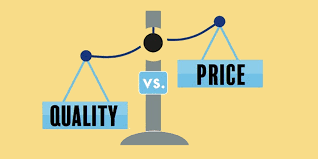
    A big part of being a mindful shopper is shifting your focus from how much you buy to how good what you buy is. Instead of buying three cheap shirts that will fall apart after a few washes, think about buying one really well-made shirt that will last for years. This might seem more expensive at first glance.

    However, over time, it saves you money. You don’t have to

    What “Quality” Means

    Durable Materials: Natural fibers like cotton, wool, or linen often last longer.

    Good Craftsmanship: Look for neat stitching and sturdy seams.

    Timeless Design: Avoid trends that fade quickly. Choose classic styles.

    Brand Reputation: Some brands are known for making long-lasting products.

    Care Instructions: Products that are easy to care for can last longer.

    When you invest in quality, you’re investing in less waste and more value. This is a key principle for anyone wanting to be a mindful shopper and live more sustainably.

    Embracing Secondhand and Sustainable Options

    Being a mindful shopper isn’t just about buying new things wisely. It’s also about considering alternatives to buying new. Thrift stores, consignment shops, and online marketplaces for used goods are treasure troves.

    You can find amazing items for a fraction of the price.

    Buying secondhand is fantastic for the planet. It reduces the demand for new production. This means less energy used and less pollution.

    Plus, you can often find unique or vintage items that you won’t see everywhere else. When you do need to buy new, look for brands that are committed to sustainability. Check if they use eco-friendly materials or ethical production practices.

    Where to Find Great Secondhand Items

    Local Thrift Stores: Goodwill, Salvation Army, and independent shops.

    Consignment Stores: Often have higher-quality clothing and furniture.

    Online Marketplaces: eBay, Poshmark, Depop, Facebook Marketplace.

    Yard Sales and Flea Markets: Great for unique finds.

    Clothing Swaps: Organize one with friends!

    Exploring these options shows you that you don’t always need to buy brand new. This is a powerful way to shop with intention and care for the environment.

    The Impact of Your Purchases: Ethics and Environment

    When you become a mindful shopper, you start to think about the bigger picture. Where do your clothes come from? How are your electronics made?

    What is the environmental footprint of the food you eat? Many companies today are working to be more ethical and sustainable. Others are not.

    Researching brands can take time. But it’s worth it. Look for certifications or statements about fair labor practices and environmental responsibility.

    For example, the U.S. Environmental Protection Agency (EPA) provides information on sustainable product choices. Knowing that your money supports companies that do good can feel really rewarding.

    It adds another layer of mindfulness to your shopping.

    Questions for Ethical Shopping

    Fair Labor: Are workers paid a living wage and treated fairly?

    Environmental Impact: Are materials sourced sustainably? Is production energy-efficient?

    Animal Welfare: If applicable, are animals treated humanely?

    Packaging: Is the packaging minimal and recyclable?

    Company Values: Does the company’s mission align with yours?

    Choosing ethical and eco-friendly products is a direct way to use your money to support a better world. It makes your shopping decisions more meaningful.

    Mindful Online Shopping Strategies

    Online shopping is convenient, but it’s also very easy to overspend. Those one-click buy buttons can be dangerous! To be a mindful shopper online, you need extra strategies.

    First, always compare prices. Don’t just buy from the first site you see. Use comparison tools if you can.

    Second, be wary of tempting emails. Unsubscribe from mailing lists that constantly offer deals. They are designed to make you buy.

    Also, avoid browsing online stores when you’re bored or stressed. If you do need something, make a list first. Stick to that list.

    Read reviews carefully. Make sure the product is exactly what you need before you buy.

    Online Shopping Safety Tips

    Use Wish Lists: Add items you like, then review them later.

    Wait for Sales: If it’s not urgent, wait for a discount.

    Read Reviews: See what others say about the product and seller.

    Check Shipping Costs: Sometimes shipping can add a lot to the price.

    Be Wary of Too-Good-To-Be-True Deals: They could be scams.

    Online shopping can be a tool for mindful buying if you’re careful. It requires discipline. But you can definitely be a mindful shopper even when you’re clicking buttons from your couch.

    Dealing with “Sales” and “Discounts” Mindfully

    Ah, the sale. It’s one of the biggest temptations for any shopper. We see a sign that says “50% Off!” and our brains immediately think “Great deal!” But a deal on something you don’t need is still money spent.

    This is where the mindful shopper has an advantage.

    Before you grab that discounted item, ask yourself: “Would I buy this at full price?” If the answer is no, then it’s probably not a true bargain for you. Think about the actual cost. Even with a discount, is it worth the money?

    Does it serve a real purpose? Often, sales encourage us to buy things we would never consider otherwise. Be strong.

    Stick to your list and your budget.

    Sales Savvy: A Quick Check

    Need vs. Want: Do you really need it, or do you just want it because it’s on sale?

    Full Price Check: Would you buy it if it were full price?

    Budget Check: Does it fit into your planned spending?

    Storage Check: Where will you keep it?

    “Add to Cart” Carefully: Don’t let a sale push you over your spending limit.

    Learning to resist the lure of constant sales is a huge step. It’s a clear sign you’re becoming a true mindful shopper.

    When is it Okay to Splurge?

    Being a mindful shopper doesn’t mean never buying nice things. It means buying them with intention and knowing they are worth it. There are times when a splurge is perfectly fine.

    Maybe it’s an item that will significantly improve your life. Or perhaps it’s a piece of art that brings you joy. Or maybe it’s a tool that makes your work much easier.

    The difference is that a splurge for a mindful shopper is a deliberate choice. It’s not an impulse. You’ve thought about it.

    You’ve saved for it, perhaps. You understand its value. You know it will bring lasting happiness or utility.

    It’s about making conscious investments in things that truly matter to you.

    Signs of a Worthy Splurge

    Long-Term Value: Will it last for years?

    Significant Improvement: Will it make your life much better or easier?

    Deep Joy: Does it bring you genuine happiness?

    Well-Researched: Have you compared options and know it’s a good choice?

    Within Budget: Can you afford it without going into debt?

    A mindful splurge is a celebration of thoughtful consumption. It’s about appreciating quality and value when you find it.

    What This Means for Your Home and Life

    Adopting a mindful shopping approach changes more than just your bank account. It impacts your physical space and your overall well-being. When you buy less, you accumulate less clutter.

    Your home becomes a more peaceful and organized place. You have more room to breathe.

    Your mental space also clears up. Less stuff means less to clean, less to organize, and less to worry about. This frees up your energy and time.

    You can focus on experiences, relationships, and personal growth. It’s a shift from consuming to living. Becoming a mindful shopper is a step towards a simpler, more intentional life.

    The Ripple Effect of Mindful Shopping

    Less Stress: Reduced financial pressure and clutter.

    More Freedom: Time and energy for other pursuits.

    Greater Appreciation: You value what you own more.

    Environmental Contribution: You help reduce waste and demand.

    Personal Growth: You develop better habits and self-control.

    It’s a journey. Small changes add up. Every thoughtful purchase is a step in the right direction.

    You are building a life around what truly matters.

    Quick Tips for Mindful Shopping Today

    Ready to start being a more mindful shopper right now? Here are some easy steps you can take today:

    • Before you leave the house: Make a list of what you need.
    • Online? Clear your browser history and close tempting tabs.
    • See something you want but don’t need? Take a picture of it and add it to a “wish list” on your phone.
    • At the checkout: Double-check your items. Did you stick to the list?
    • Feeling an urge? Drink some water. Take a few deep breaths. Wait five minutes.
    • Choose reusable bags: A simple way to be mindful of waste.

    These small actions are the building blocks. They help you form new habits. They make you more aware of your choices.

    Every little bit counts.

    Frequent Questions About Mindful Shopping

    Is mindful shopping the same as being frugal?

    Not exactly. Frugal means spending less money, often by seeking out the lowest prices. Mindful shopping is about spending intentionally.

    It’s about asking why you’re buying something and if you truly need it, regardless of price. You might spend more on a quality item if it’s a mindful choice.

    How can I avoid emotional shopping?

    First, recognize when you’re shopping out of emotion. Are you stressed, sad, or bored? Try to find other coping methods.

    Go for a walk, talk to a friend, or do a hobby you enjoy. If you feel the urge to shop, try the 24-hour rule. Distract yourself.

    Remind yourself that shopping won’t solve the underlying feeling.

    What if my partner doesn’t shop mindfully?

    This can be tricky. Start by leading by example. Share what you’re learning and why it’s important to you.

    You can suggest shopping together with a list. Maybe set some shared goals, like saving for a vacation. Focus on open communication and understanding.

    It’s about teamwork, not criticism.

    Does mindful shopping mean I can never buy fun things?

    Absolutely not! Mindful shopping is about making deliberate choices. It’s okay to buy fun things.

    The key is to buy them because you truly want them, they fit your budget, and they add value to your life. It’s about ensuring the “fun” purchases are truly enjoyable and not just impulse buys you’ll later regret.

    How can I get my kids to be mindful shoppers?

    Involve them! Let them help make the grocery list. Talk about needs versus wants.

    When they ask for something, use the pre-purchase questions. Explain where money comes from and why choices matter. Let them earn some of their own money for toys.

    This teaches them value and the effort behind purchases.

    Is it okay to buy things on impulse sometimes?

    Life happens! It’s okay to not be perfect all the time. The goal is progress, not perfection.

    If you have an impulse buy, learn from it. What triggered it? How can you handle it better next time?

    Don’t beat yourself up. Just get back on track with your mindful shopping journey.

    The Last Word on Conscious Consumption

    Becoming a mindful shopper is a journey. It’s about building awareness around your spending. It leads to less waste, more savings, and a calmer life.

    You learn to value quality and purpose. You make choices that feel good, inside and out. Start small, be patient with yourself, and celebrate every conscious decision you make.

  • 24 Hour Rule Shopping

    You see something you really want. It looks perfect. Your mind races.

    Should you buy it right now? Or should you wait? That feeling is common.

    Many people struggle with this. Impulse buys can lead to regret. They can also drain your wallet.

    But there’s a simple trick that helps. It’s called the 24-hour rule for shopping. This idea can save you money.

    It can also make you happier with your buys. Let’s dive into how it works.

    The 24-hour rule in shopping means waiting a full day before buying something non-essential. This pause allows for reflection, preventing impulse purchases and ensuring you truly want or need the item, leading to more thoughtful spending and less buyer’s remorse.

    What Is The 24-Hour Shopping Rule?

    At its heart, the 24-hour shopping rule is a simple pause. You spot an item. You really want it.

    Instead of clicking “buy now” or heading to the checkout, you wait. You give yourself a full 24 hours. Think of it like a cool-down period.

    This time lets your initial excitement fade. It gives your logical brain a chance to speak up. You can then decide if the item is truly worth it.

    This rule is for things you don’t absolutely need. It’s not for groceries. It’s not for essential bills.

    It’s for that new gadget. It’s for clothes you just like. It’s for home decor items.

    It’s for anything that catches your eye but isn’t urgent. The goal is to separate wants from needs. It helps you think clearly about your money.

    Why 24 hours? This timeframe is long enough to break the immediate urge. It’s also short enough that you don’t forget about the item entirely.

    If you still want it after a day, that’s a good sign. If the urge passes, you’ve dodged a potential mistake. It’s a gentle, effective way to manage your spending habits.

    Why The Urge To Buy Happens

    So, why do we get that sudden urge to buy things? It’s a mix of things. Stores are designed to make us want stuff.

    They use bright lights. They play upbeat music. They place items where we can see them easily.

    Marketing plays a huge role. Ads show happy people using products. They make us feel like we need that item to be happy too.

    Sometimes, buying feels good in the moment. It can give us a little mood boost. It’s like a quick reward.

    This is especially true when we feel stressed or bored. We might buy something to cheer ourselves up. This is called retail therapy.

    But it often doesn’t fix the real problem. It just adds a new item to our home.

    Social media also plays a part. We see influencers and friends with new things. This can create a feeling of missing out.

    We want to keep up. We might feel pressure to have the latest trends. This can lead to buying things we don’t really need or love.

    The 24-hour rule helps us pause and question this urge.

    My Own Wake-Up Call With Impulse Buys

    I remember one time vividly. I was scrolling online late one evening. I stumbled upon a beautiful, handmade ceramic vase.

    It was a deep ocean blue. It had a unique, swirly pattern. My mind immediately pictured it on my mantelpiece.

    It would be the perfect centerpiece. The price wasn’t tiny, but it felt affordable for something so special. My finger hovered over the “Add to Cart” button.

    I almost bought it. But something stopped me. Maybe it was the late hour.

    Maybe it was the nagging voice that said, “Do you really need another vase?” I closed the tab. I told myself I’d look again in the morning. The next day, after a good night’s sleep, I searched for the vase again.

    I looked at the pictures. I thought about where it would go. I realized I already had several vases.

    This blue one was lovely, but it wasn’t a need. It was a want that would likely just sit there. I felt a wave of relief wash over me.

    I had avoided spending money on something that would just add clutter. That was a key moment for me.

    The Quick Thought Test

    Before buying, ask yourself:

    • Do I already own something similar?
    • Will this make my life significantly better?
    • Can I afford this without it impacting my savings goals?
    • Will I regret buying this tomorrow?

    If you answer “no” to the first two, and “yes” to the last two, consider the 24-hour rule.

    How To Apply The 24-Hour Rule

    Using the 24-hour rule is simple. When you see something you want but don’t need, stop. Don’t buy it right away.

    Take a picture of it. If you’re online, take a screenshot or bookmark the page. Write down the item and its price.

    Then, move on. Go about your day. Try not to think about it too much.

    Let the initial excitement fade. The next day, revisit your note or picture. Look at the item again.

    Ask yourself honest questions. Do you still want it? Have you thought about how you will use it?

    Does it fit with other things you own?

    If you still feel a strong desire for the item after 24 hours, and it fits your budget, then go ahead and buy it. You’ve given it proper thought. You’re less likely to regret it.

    If the urge has passed, or you find flaws in your reasoning, you’ve saved yourself money and potential clutter. It’s a win-win.

    The Psychology Behind The Pause

    The 24-hour rule works because it taps into our brain’s decision-making process. When we see something we like, our brain’s reward centers light up. This creates an immediate emotional pull.

    We feel happy and excited. This feeling can cloud our judgment. We might not think about the long-term effects of the purchase.

    Waiting for 24 hours allows the prefrontal cortex, the part of our brain responsible for logic and planning, to catch up. This part of the brain helps us think through consequences. It helps us weigh pros and cons.

    By giving our logical brain time to engage, we can make more rational choices. We can see past the fleeting excitement.

    This pause also helps us avoid impulsive buying triggers. These triggers can be stress, boredom, or a sudden sale. By stepping away, we break the connection between the trigger and the action.

    We create a mental space. This space is crucial for thoughtful decision-making. It’s like taking a breath before you speak.

    When The 24-Hour Rule Is Especially Helpful

    There are certain shopping situations where the 24-hour rule shines. Sales events are a big one. Stores create a sense of urgency.

    They tell you “limited time only!” This pressure can make you buy things you don’t need. Applying the 24-hour rule to sale items can save you from buying something just because it’s cheap.

    Online shopping is another area. It’s so easy to buy things with just a few clicks. Items are at your fingertips 24/7.

    Without the physical act of going to a store, it’s easier to be impulsive. Saving items to a wish list instead of buying them immediately is key here.

    Big-ticket items are also good candidates. Even if you save up for something, a large purchase deserves extra thought. A new TV, a piece of furniture, or an expensive gadget should pass the 24-hour test.

    This ensures it’s a well-considered purchase, not just a splurge.

    Contrast: Impulse Buy vs. Thoughtful Buy

    Impulse Buy:

    • Driven by emotion (excitement, boredom).
    • Little to no thought about need or use.
    • Often results in buyer’s remorse or unused items.
    • Happens quickly, often without planning.

    Thoughtful Buy (Using 24-Hour Rule):

    • Driven by logic after emotion fades.
    • Considers need, budget, and long-term value.
    • Results in satisfaction and purposeful ownership.
    • Involves a waiting period for reflection.

    Stories From Others Who Use It

    I’ve talked to many people who swear by this method. Sarah, a graphic designer, told me how she uses it for clothes. “I used to buy tops on impulse,” she said.

    “I’d see one online, love the color, and buy it. Then I’d get home, and it didn’t go with anything. Now, I save it.

    If I still want it in a day, I check my closet first. Nine times out of ten, I realize I have something similar. It’s saved me so much money and closet space!”

    Mark, a teacher, applies it to electronics. “I’m a sucker for new gadgets,” he admitted. “I saw a new smart home device.

    It promised to do all these amazing things. My initial thought was, ‘I need this!’ I put it in my cart. Then I remembered the 24-hour rule.

    The next day, I read some reviews. I realized it was mostly fluff. It wouldn’t solve any real problem for me.

    I was so glad I waited. I saved a few hundred dollars.”

    These stories show how practical the rule is. It’s not about depriving yourself. It’s about making smarter choices.

    It’s about owning things you truly love and use. These people found that waiting helped them discover what they really wanted, not just what they were told to want.

    The 24-Hour Rule For Different Budgets

    This rule is useful for everyone, no matter their budget. For someone on a tight budget, every dollar counts. An impulse buy can have a bigger impact.

    Waiting means making sure that money is spent wisely. It ensures essentials are covered first.

    For those with more disposable income, the rule still applies. It helps prevent unnecessary clutter. It also keeps spending aligned with larger financial goals.

    Maybe you’re saving for a vacation or a down payment. The 24-hour rule can be a guard against small purchases derailing big plans. It maintains control.

    It’s about conscious spending. It’s about aligning your purchases with your values and goals. The amount of money you have doesn’t change the benefit of thoughtful buying.

    In fact, for higher-priced items, the pause becomes even more important.

    Common Pitfalls and How to Avoid Them

    While the 24-hour rule is effective, some common pitfalls can trip people up. One is using it for items that are truly limited-time offers with genuine scarcity. If a truly rare item goes on sale for just a few hours and you know you want it, the rule might not apply.

    But be honest with yourself. Is it truly rare, or is it a marketing tactic?

    Another pitfall is forgetting about the item. If you save something to a wish list and never look at it again, you might miss out on something you would have genuinely enjoyed. The key is to revisit your saved items.

    Make the decision after the 24 hours have passed.

    Sometimes, the urge to buy might resurface after the 24 hours. If this happens, you can restart the timer. The goal is not to deny yourself.

    The goal is to buy with intention. If you find yourself constantly restarting the timer for the same item, it might be a sign that you don’t really need it.

    Quick Scan: Items to Apply the Rule To

    Category Examples Why Apply Rule?
    Fashion Trendy clothes, shoes, accessories Avoids buying items that go out of style quickly or don’t match existing wardrobe.
    Electronics New phones, gadgets, smart home devices Prevents impulse buys on features not truly needed, allows for research.
    Home Decor Vases, art, decorative items Ensures items fit existing style and aren’t just impulse buys to fill space.
    Hobbies New equipment, supplies Confirms commitment to the hobby and if the item is genuinely necessary.

    What To Do During Your 24-Hour Wait

    The 24 hours are not just for sitting and waiting. They are for active reflection. During this time, you can do a few things.

    First, research the item. Read reviews. Look for honest opinions from people who have used it.

    Are there common complaints? Are there better alternatives?

    Second, consider your budget. If the item is expensive, does it fit into your financial plan? Will buying it mean you have to cut back on something else important?

    Seeing this clearly can be a powerful motivator.

    Third, think about storage and use. Where will you put this item? How often will you realistically use it?

    If you don’t have space, or if it will likely gather dust, that’s a good reason to reconsider. This practical thinking helps ground your decision.

    The 24-Hour Rule Versus Other Saving Methods

    There are many ways to save money and shop smarter. The 24-hour rule is just one tool. It’s different from setting a strict budget for every single purchase.

    It’s also different from waiting for major sale events like Black Friday. This rule is about managing impulse buying on an item-by-item basis.

    It’s less about deprivation and more about mindful acquisition. For instance, a strict budget might mean saying “no” to something you genuinely want and will use, even if it’s affordable. The 24-hour rule allows for purchases after proper consideration.

    It’s about quality of ownership over quantity.

    Compared to waiting for sales, the 24-hour rule helps ensure you’re buying something you want, not just something that’s on sale. Many people end up buying items during sales that they wouldn’t have bought at full price, simply because they feel the pressure of the discount. This rule bypasses that pressure.

    Making It A Habit

    Like any new skill, applying the 24-hour rule consistently takes practice. At first, you might forget or slip up. That’s okay.

    The goal is progress, not perfection. Start by applying it to one or two potential purchases a week. See how it feels.

    Keep a small notebook or use a notes app on your phone. Log the items you pause on. Note down whether you bought them or not.

    Also, jot down how you felt afterward. This record can show you patterns in your spending and help you see the benefits of waiting.

    Celebrate your successes! When you decide not to buy something and feel good about it, acknowledge that. Positive reinforcement makes it more likely you’ll stick with the habit.

    Over time, this pause will become more natural. You’ll start to question impulse urges before they even take hold.

    Observation Flow: The 24-Hour Decision

    Step 1: The Spark

    You see an item you want.

    Step 2: The Pause

    Resist the urge. Save it or take a picture.

    Step 3: The Wait

    Go about your day for 24 hours.

    Step 4: The Re-evaluation

    After 24 hours, consider: Do I still want it? Why?

    Step 5: The Decision

    Buy it if the desire is strong and logical. Skip it if the urge faded.

    When The 24-Hour Rule Might Not Be Best

    While powerful, the 24-hour rule isn’t for every single purchase. For essential items like food, medicine, or basic clothing for a specific need (like a job interview), waiting is not practical. If you need gas for your car to get to work tomorrow, you buy gas today.

    Also, sometimes there are genuine opportunities that you can’t wait on. This might be a limited-edition item that sells out quickly, or a flash sale with a truly incredible deal on something you already needed and planned to buy soon. In these rare cases, if you’ve done your research and are certain, you might make an exception.

    However, these exceptions should be rare. The vast majority of “wants” in our lives can benefit from a brief pause. Be honest about whether an item is a true necessity or a fleeting desire.

    The rule is designed to help you distinguish between the two.

    What This Means For Your Wallet And Well-being

    Adopting the 24-hour rule can have significant positive impacts. Financially, it means more money saved. This can go towards bigger goals like paying off debt, building savings, or investing.

    It reduces the amount of money spent on things that don’t add lasting value.

    Beyond finances, it leads to less clutter in your home. Owning fewer, more intentionally chosen items can create a more peaceful living space. It reduces the mental load of managing too many possessions.

    Emotionally, it builds confidence. Knowing you can resist impulse buys and make thoughtful choices is empowering. It reduces the regret and guilt that can come with overspending.

    You feel more in control of your life and your money. This leads to greater peace of mind and satisfaction.

    Quick Fixes and Tips For Smarter Shopping

    Here are some easy tips to help you shop smarter:

    • Make a list: Before you shop, write down what you need. Stick to your list.
    • Shop with a friend: A friend can offer a second opinion and help you resist impulsive buys.
    • Unsubscribe from emails: Too many promotional emails can tempt you to buy.
    • Avoid browsing: Don’t just “window shop” online or in stores if you’re not looking for something specific.
    • Set spending limits: Decide how much you can spend before you start shopping.
    • Use cash: Paying with cash can make spending feel more real and help you stick to a budget.

    Frequently Asked Questions About The 24-Hour Rule

    Is the 24-hour rule a good idea for all purchases?

    No, it’s best for non-essential items, or “wants.” For groceries, bills, or urgent needs, you should buy them when you need them. The rule is for things that catch your eye but aren’t immediately necessary.

    What if I see something I love and it might sell out?

    This is a common concern. Be honest: is it likely to sell out, or is that a marketing tactic? If it’s a truly limited item you’ve researched and really need, you might make an exception.

    But for most things, if it sells out, it wasn’t meant to be, or you can find something similar later.

    Can I use a longer waiting period, like 48 hours or a week?

    Absolutely! The 24-hour rule is a guideline. If a longer period helps you feel more confident, use it.

    The key is the pause and reflection, not the exact number of hours. Some people use a “30-day rule” for big purchases.

    What’s the difference between this rule and just saving money?

    Saving money is about putting money aside. The 24-hour rule is about how you spend the money you have. It helps prevent impulsive spending that can eat into your savings goals.

    Will I miss out on good deals if I wait 24 hours?

    You might miss a very short-term flash sale. However, stores often have sales throughout the year. The items you truly need or want will likely go on sale again.

    The money saved by avoiding an impulse buy is often more valuable than the potential savings from a fleeting deal.

    How do I avoid feeling deprived by waiting?

    The goal isn’t deprivation; it’s intentional buying. When you finally buy something after waiting, you often enjoy it more because you’ve confirmed you truly want it. It’s about getting more satisfaction from fewer, better purchases.

    Putting The 24-Hour Rule Into Practice

    The 24-hour shopping rule is a simple yet powerful tool. It’s a small pause that can lead to big changes. By giving yourself a day to think, you can avoid impulse buys.

    You can save money. You can also end up with items you truly love and use. It transforms shopping from a reactive behavior to a proactive choice.

    Start using it today and see the positive difference it makes in your wallet and your life.

  • Cart Abandonment On Purpose

    Understanding these reasons helps businesses improve. It’s about seeing the shopper’s view. This guide will walk you through why this happens.

    We will look at the shopper’s mindset. You’ll learn about common tactics people use. We’ll also explore how to spot and handle this.

    Let’s dive in and make sense of it all.

    Shoppers deliberately abandon online carts for various strategic reasons, including comparison shopping, saving items for later, seeking better deals, or simply changing their minds after gathering information. This behavior is a normal part of the online shopping journey and understanding its motives can help businesses optimize their strategies.

    Why Shoppers Leave Items in Their Carts

    When someone adds something to their online shopping cart, it’s a sign of interest. But it doesn’t always mean a sale is coming. Many things can stop a shopper from clicking that final “buy” button.

    Some of these reasons are about the store. Others are more about what the shopper wants to achieve.

    It’s easy to think it’s always about a technical issue. Or maybe they got distracted. While those happen, there’s a deeper layer.

    People are using the cart as a tool. It’s more than just a holding place for items they want to buy right now. They use it for planning, for comparing, and sometimes, just to keep track.

    Thinking about the cart as a wishlist is key. It lets them gather things they like. They can think about them later.

    They can see how much it all adds up to. This gives them a clear picture without any commitment. It’s a low-risk way to explore options.

    This is a common tactic for many shoppers.

    The Psychology Behind Intentional Cart Abandonment

    The human mind is complex. Shopping is no different. People don’t always buy things right away.

    They have different goals when they shop. These goals aren’t always about immediate purchase. The online shopping cart has become a part of this complex process.

    It serves multiple purposes for the shopper.

    One big reason is the desire for control. Shoppers want to feel like they are making smart choices. They don’t want to miss out on a better deal.

    They also don’t want to pay more than they have to. The cart lets them pause and survey their options. This gives them a feeling of power over their spending.

    Fear of missing out (FOMO) also plays a role. But so does the fear of making a bad decision. They want to be sure.

    Leaving items in the cart gives them time to second-guess. It allows them to compare prices across different sites. It helps them think if they truly need the item.

    Cart As A Comparison Tool

    Shoppers often use the cart to compare prices. They might add the same item from different stores. Then they can quickly see who has the best price.

    This saves them from opening many tabs.

    It also helps them see if a discount code applies. They add items, then look for coupons. If they find one, they apply it.

    If not, they might leave the cart and search more.

    This intentional abandonment isn’t about being difficult. It’s about shoppers being smart consumers. They want the best value.

    They want to feel confident in their purchase. The cart is a staging ground for this decision-making. It’s a digital sandbox for their shopping ideas.

    My Own Cart Abandonment Moment

    I remember one time I was looking for a new jacket. It was getting cold, and I needed something warm. I found a few I really liked on different websites.

    One was on sale, but another had a cool style. I put one in my cart on Brand A’s site. I put another in my cart on Brand B’s site.

    I wasn’t ready to buy either jacket yet. I wanted to see if I could find any discount codes. So, I closed the tabs.

    I told myself I’d look again tomorrow. The next day, I found a better discount code for Brand B. I went back and finished that purchase.

    The other jacket stayed in the cart on Brand A’s site for a few more days.

    It wasn’t that I didn’t like the first jacket. It was just that I saw a better path to a good deal on the second one. I used the cart to hold my options.

    It let me keep track of what I liked. Then, I could focus my search for savings on one. It felt like a smart move on my part.

    Common Tactics Shoppers Use With Carts

    There are many ways shoppers use their carts without buying. These aren’t usually malicious. They are just ways to get the most out of their online shopping experience.

    Recognizing these helps businesses adapt their own methods.

    One very common trick is using the cart as a wishlist. Many sites offer this. But even if they don’t, the cart serves this purpose.

    Shoppers add things they like. They might not be able to afford it now. Or they are waiting for a special occasion.

    The cart holds these items for future review.

    Another tactic is price watching. Shoppers add items and then wait. They hope the store will send a discount code.

    Many online stores do this. They notice a cart is left open. They send an email with a special offer.

    Shoppers know this and use it to their advantage.

    Quick Scan: Cart Use Scenarios

    Price Comparison: Adding same item from different stores.

    Deal Hunting: Adding items to wait for discount codes.

    Wishlist: Saving items for future purchase or inspiration.

    Budget Check: Seeing the total cost of desired items.

    Research Pause: Taking a break from browsing to think.

    Some people also use the cart to check shipping costs. Before they commit to buying, they want to know the total price. Shipping fees can be a big surprise.

    Adding items to the cart often shows these costs. If the shipping is too high, they might leave.

    It’s also a way to gather information. A shopper might add an item. Then they go read reviews for that specific item.

    Or they might look up product details elsewhere. The cart item is a bookmark for their research. They link back to it easily.

    Reasons for Deliberate Cart Abandonment

    Deliberate cart abandonment is when a shopper intentionally leaves items. This is different from accidental abandonment. Accidental happens due to technical glitches or distractions.

    Deliberate means the shopper made a choice to leave. Let’s look at the common deliberate reasons.

    One primary driver is cost. Shoppers want the best price. They might see an item and add it to their cart.

    Then they start searching for coupons or better deals online. If they find a much better offer elsewhere, they will leave the first cart. They might even buy the same item on another site.

    Another reason is future planning. People use carts as temporary wishlists. They may not have the money right now.

    Or they are saving for a specific event. The cart lets them keep track of these desired items. They can return later when they are ready to buy.

    Intentional vs. Unintentional Abandonment

    Intentional Unintentional
    Price comparison shopping Website errors or slow loading
    Waiting for discounts/promotions Forced account creation
    Saving items for later (wishlist) Complex checkout process
    Changing mind after gathering info Unexpected shipping costs revealed late
    Budgeting and planning purchases Distractions or losing internet connection

    Sometimes, it’s about trust. A shopper might add items. Then they look at the website’s reviews or security badges.

    If they don’t feel safe, they will leave. They don’t want their credit card information compromised. This is a protective measure.

    Also, the lack of clear return policies can cause hesitation. If a shopper isn’t sure they can easily return an item, they might pause. They might leave the item in the cart to think it over.

    They want to know they have an easy way out if needed.

    The “I’ll Come Back Later” Strategy

    This is a big one for deliberate abandonment. Shoppers aren’t always in buying mode. They might be browsing during their lunch break.

    Or they are looking at options while watching TV. They add items to their cart because they like them. They plan to finish the order when they have more time or focus.

    This strategy relies on the idea that their selections will be saved. Most online stores do this. They remember what’s in your cart.

    This convenience is what makes the “come back later” strategy work for shoppers. It’s like putting things on hold at a physical store.

    For businesses, this is a prime opportunity. These are not lost sales. These are delayed sales.

    This is where abandoned cart emails can be very effective. A gentle reminder can bring the shopper back. Offering a small discount can seal the deal.

    It acknowledges their initial interest.

    The Power of the Follow-Up

    Email Reminders: Send a polite email within a few hours. Remind them of the items they left behind.

    Offer Incentives: Consider a small discount or free shipping in the email. This can encourage them to complete the purchase.

    Create Urgency (Carefully): Sometimes mentioning low stock can help. But avoid being pushy.

    Personalize: Use their name and show the exact items. This makes the reminder more effective.

    The key is to make it easy for them to return. Ensure your website remembers their cart contents. Provide clear links in follow-up emails.

    A smooth transition back to their cart is vital. This makes the “come back later” strategy a win-win.

    When Shoppers Use Carts for Budgeting

    Many people shop with a budget in mind. They have a set amount they can spend. Adding items to the cart helps them stay within this limit.

    They can see the total cost before they commit to buying. This is especially true for larger purchases.

    For example, someone might want to buy a new TV and a soundbar. They add both to the cart. They see the total is more than they wanted to spend.

    This gives them a chance to rethink. They might decide to buy just the TV. Or they might wait until they save more money.

    This deliberate cart abandonment is about financial control. It’s not a sign of disinterest. It’s a sign of responsible shopping.

    The cart acts as a financial calculator. It helps them make informed decisions about their money.

    Businesses can respond to this by offering flexible payment options. Buy Now, Pay Later services can help. They allow shoppers to get what they want now.

    They can pay for it over time. This addresses the budgeting concern directly.

    Budget-Conscious Cart Tactics

    Total Cost Awareness: Shoppers add items to see the full price, including taxes and potential shipping.

    Feature Comparison: They might add similar items to compare costs and features side-by-side within the cart.

    Prioritization: Seeing the total allows them to prioritize what they can afford to buy now.

    Goal Setting: The cart total can become a savings goal for future purchases.

    Understanding this helps businesses see abandoned carts not just as lost sales. They can be seen as opportunities. It means the shopper is interested but needs a little help meeting their budget goals.

    Providing that help can lead to a sale.

    The Role of “Almost Buying” Behavior

    What exactly is “almost buying” behavior? It’s when a shopper goes through most of the checkout process. They enter their shipping details.

    They might even start entering payment info. But they stop before the final confirmation. This is a very strong signal of intent.

    Often, when someone gets this far, they truly want the item. The reason they stop is usually something specific. It could be a last-minute doubt about the price.

    Maybe they saw a shipping fee they didn’t expect. Or they suddenly remembered they had a discount code elsewhere.

    This behavior is extremely valuable for businesses. It tells you the shopper was highly motivated. They overcame initial hurdles like account creation.

    They got close to completing the transaction. This makes them a prime candidate for a successful follow-up.

    Abandoned cart recovery strategies are most effective here. The shopper is already engaged. They just need a small nudge.

    A personalized email can be very powerful. It can remind them of what they were about to buy. It can also offer that final incentive to complete the purchase.

    Why Shoppers Stop at the Last Moment

    • Unexpected shipping costs revealed late.
    • Finding a better deal elsewhere at the last minute.
    • Concerns about the website’s security or trust.
    • A last-minute doubt about the product itself.
    • The checkout process became too long or confusing.
    • Distractions that pulled their attention away.

    It’s important to analyze these “almost buying” moments. Look at your checkout flow. Are there any points where people drop off?

    Are there hidden costs that appear too late? Fixing these can turn many “almost buys” into actual sales.

    How Businesses Can Address Intentional Abandonment

    Dealing with deliberate cart abandonment is different from fixing technical issues. It requires understanding shopper psychology. It means optimizing the shopping experience.

    It also involves smart marketing strategies.

    First, make your website trustworthy. Use clear security badges. Show customer reviews.

    Have an easy-to-find contact page and return policy. This reduces hesitation for shoppers who are unsure.

    Second, be transparent about costs. Show shipping fees and taxes early in the process. Avoid surprises at the final step.

    This prevents many last-minute drop-offs. It builds trust with the shopper.

    Third, leverage abandoned cart recovery. Send well-timed emails. Remind shoppers of their items.

    Offer a small incentive if appropriate. This brings back many interested shoppers.

    Key Strategies for Reducing Intentional Abandonment

    Build Trust: Display security seals, customer testimonials, and clear contact information.

    Price Transparency: Show all costs, including shipping and taxes, as early as possible.

    Optimize Checkout: Simplify the process. Offer guest checkout options.

    Cart Recovery: Implement automated emails to remind shoppers of their items.

    Offer Alternatives: Provide payment plans or financing options.

    Wishlist Functionality: Clearly separate wishlists from shopping carts.

    Fourth, simplify your checkout process. Reduce the number of steps. Allow guest checkout.

    Make it easy for shoppers to complete their purchase. A long or confusing checkout is a major reason for intentional abandonment.

    Finally, encourage the use of wishlists. If a shopper is just browsing, they might prefer a wishlist. This keeps their cart clear for actual purchases.

    It also gives them a place to save items they like without feeling committed.

    When Is Cart Abandonment Normal?

    It’s important to know that some level of cart abandonment is always normal. No online store has a 100% conversion rate from adding to cart. Shoppers are human.

    They have different needs and behaviors.

    Browsing is a major part of online shopping. People often look without intending to buy. They might be gathering ideas for gifts.

    They could be researching future purchases. The cart is a convenient place to save these findings.

    The average cart abandonment rate is quite high, often around 70%. This means that out of 100 people who add items, about 70 leave before buying. This is a widely accepted figure in the e-commerce world.

    It highlights that abandonment is an expected part of the process.

    Understanding Normal Abandonment Rates

    Industry Average: Typically between 60% and 80%.

    Why it’s Normal: Shoppers browse, compare, save for later, and budget.

    Focus on Recovery: Instead of eliminating it, focus on recovering potential sales.

    Improve User Experience: Higher abandonment rates than average might signal issues.

    So, if you see carts being abandoned, don’t panic. It’s a sign that people are engaging with your products. The key is to analyze the rates.

    If your rate is significantly higher than average, then it’s time to investigate. But a certain percentage of abandoned carts is simply part of the online shopping landscape.

    When Should You Worry About Cart Abandonment?

    While some abandonment is normal, there are times when you should pay closer attention. If your cart abandonment rate suddenly spikes, it’s a red flag. This often indicates a problem has emerged.

    Look for sudden increases after website changes. Did you update your checkout page? Did you change shipping policies?

    These updates might have unintended consequences. They could be making the process harder.

    Also, compare your rates to industry benchmarks. If your rate is consistently much higher than the average, investigate. This suggests ongoing issues.

    These could be related to pricing, site speed, or user experience.

    Signs of Concerning Cart Abandonment

    Sudden Spikes: An unusual increase in abandonment rates.

    Consistently High Rates: Your rate is always much higher than the industry average.

    Specific Page Drop-offs: High exit rates on checkout pages.

    Negative Feedback: Customers mentioning checkout issues in reviews or support tickets.

    Another sign is when customers complain about specific issues. Are they mentioning unexpected fees? Is the checkout process too complicated?

    Listen to your customer support channels. They can provide valuable insights into why people are leaving.

    A high abandonment rate can also impact your search engine rankings. Google and other search engines look at user behavior. If visitors leave your site quickly, it can signal a poor experience.

    This can lower your visibility over time.

    Simple Checks for Potential Issues

    If you’re worried about your cart abandonment rate, start with some simple checks. These don’t require deep technical knowledge. They focus on the shopper’s journey.

    First, test your checkout process yourself. Pretend you are a new customer. Go through every step.

    See if anything is confusing. Are there any unexpected fees? Is it easy to enter your information?

    Second, check your website’s loading speed. Slow websites frustrate shoppers. They will leave if pages take too long to load.

    Use free tools to check your site speed. Make improvements where needed.

    Quick Checkout Audit Checklist

    • Is guest checkout available?
    • Are shipping costs shown early?
    • Is the payment process secure and clear?
    • Are form fields easy to fill out?
    • Can customers easily edit their cart?
    • Is the final confirmation page clear?

    Third, review your shipping policy. Is it clear and easy to understand? Are the costs reasonable?

    High shipping costs are a major reason for abandonment. Make sure they are displayed upfront.

    Fourth, check your mobile experience. Many people shop on their phones. Is your website mobile-friendly?

    Is the checkout process easy on a small screen? A poor mobile experience can drive many shoppers away.

    How to Encourage Cart Completion

    Encouraging shoppers to complete their purchase is crucial. It’s about making the final steps as smooth and appealing as possible. This goes beyond just fixing problems.

    It’s about proactively guiding them to buy.

    One effective method is offering incentives. A small discount can be very persuasive. Free shipping is another popular incentive.

    These can overcome final hesitations. They make the purchase feel like a better deal.

    Make sure your call-to-action buttons are clear. Use strong, action-oriented language. Buttons like “Proceed to Checkout” or “Complete Purchase” are direct.

    They tell the shopper exactly what to do next.

    Proven Tactics to Boost Cart Completion

    Limited-Time Offers: “Complete your order in the next hour for 10% off!”

    Exit-Intent Popups: Offer a discount when a shopper tries to leave the cart page.

    Trust Signals: Reiterate security measures and guarantees near the checkout button.

    Progress Indicators: Show shoppers how many steps are left in the checkout process.

    Guest Checkout: Allow purchases without requiring account creation.

    Consider using exit-intent popups. These can appear when a shopper’s mouse moves towards closing the tab. They can offer a last-minute discount or a reminder.

    This can snag shoppers who were about to leave.

    Also, build trust at the final stage. Reassure them about security. Mention your return policy again.

    Remind them of the benefits of the product. This can solidify their decision to buy.

    Frequently Asked Questions

    Why do people add items to their cart but not buy?

    People add items for many reasons other than immediate purchase. They use carts as wishlists, for price comparison, to check total costs, and to save items for later when they have more time or budget. Intentional abandonment is common.

    Is it normal for online stores to have high cart abandonment rates?

    Yes, it is normal. Industry averages show that 60% to 80% of online shoppers abandon their carts. This happens due to browsing behavior, price hunting, and planning purchases rather than immediate impulse buys.

    What are the main reasons for deliberate cart abandonment?

    Deliberate abandonment occurs when shoppers choose to leave items. Key reasons include searching for better prices or discount codes, saving items for future purchase, checking the total cost against their budget, or hesitating due to trust or unclear policies.

    How can I encourage shoppers to complete their purchase?

    You can encourage completion by offering incentives like discounts or free shipping. Simplify the checkout process, provide clear cost information early, use trust signals, and implement abandoned cart recovery emails. Making the process easy and reassuring is key.

    What is “almost buying” behavior?

    Almost buying behavior is when a shopper proceeds far into the checkout process, often entering shipping and payment details, but stops before the final confirmation. This indicates high intent, and these shoppers are often receptive to targeted recovery efforts.

    Should I worry if my cart abandonment rate is high?

    A significantly high cart abandonment rate compared to industry averages might indicate problems. Sudden spikes or consistently high rates could point to issues with pricing, website usability, checkout complexity, or unexpected costs. Reviewing your site and processes is wise.

    Putting It All Together

    Intentional cart abandonment is a normal part of online shopping. Shoppers use their carts in smart ways. They compare prices, plan their budgets, and save items for later.

    Understanding these behaviors helps you improve your store. Focus on building trust and making checkout easy. Recovering abandoned carts is also key.

  • Shopping Addiction Help

    Shopping addiction, also known as compulsive buying disorder, is a pattern of excessive spending. It causes distress and problems in life. It is a real condition. Many people struggle with it. This article offers understanding and practical ways to help. You can regain control over your shopping habits.

    Understanding Shopping Addiction

    What is shopping addiction, really? It’s more than just liking to shop. It’s a powerful urge to buy things.

    This urge is hard to control. It happens even when you don’t need the items. It can also happen when you can’t afford them.

    People with this issue often feel excited before a purchase. They might feel a rush. But this feeling fades fast.

    It’s often replaced by guilt. Or sadness. Or even shame.

    This cycle can repeat. It becomes hard to stop. The shopping starts to control you.

    It can hurt your finances. It can strain your relationships. It can even affect your mood and self-worth.

    It’s a serious issue. But it is treatable. Understanding it is the first step.

    It’s not about being weak. It’s about a pattern that has taken hold.

    Think about it like this. You might eat a whole bag of chips. Even if you know it’s not good for you.

    And you’ll feel sick later. Shopping can feel like that. The temporary relief or joy is not worth the long-term pain.

    The core of the problem is often about feeling something. Or avoiding feeling something.

    Why Does Shopping Addiction Happen?

    Many things can lead to this. It’s rarely just one cause. Often, it’s a mix of factors.

    Some people use shopping to cope. They might feel stressed. Or sad.

    Or lonely. Buying things can offer a quick distraction. It can make them feel better for a moment.

    This is like a temporary fix. It doesn’t solve the real problem. But it feels like it does.

    Low self-esteem can play a role. People might feel they need new things to feel good about themselves. Or to feel accepted by others.

    Social media also makes it worse. We see perfect lives and amazing things. This can make us feel like we need more.

    We want to keep up. Or we want to feel that perfect feeling for ourselves.

    There can be genetic links too. Some people might be more prone to addictive behaviors. Past trauma or difficult experiences can also be a trigger.

    Life changes can also bring it on. Moving to a new place. Losing a job.

    Or going through a breakup. These big events can make people seek comfort in shopping.

    The actual act of buying can release brain chemicals. Like dopamine. This is the “feel-good” chemical.

    It makes us feel happy. It can be addictive. So, the brain starts to crave that feeling.

    It links shopping with pleasure. Over time, this becomes a habit. A hard one to break.

    The Cycle of Compulsive Buying

    Let’s look at how it often plays out. It’s like a loop. It starts with a feeling.

    Maybe you feel down. Or bored. Or stressed.

    You get a thought about buying something. This thought might be strong. It’s like a nagging voice.

    You start to think about the item. How nice it would be. How happy it would make you.

    Then comes the anticipation. You might go online. Or to a store.

    This part can feel exciting. You’re looking forward to the purchase. This builds up the feeling.

    It’s a rush. You might even feel a bit nervous. The actual buying happens.

    You get the item. For a short time, you feel relief. Or joy.

    You might feel powerful. Or in control. This is the peak.

    But the feeling doesn’t last. As soon as the rush fades, reality sets in. You might see the price tag again.

    You realize you didn’t need the item. Or you can’t afford it. This is when guilt and regret appear.

    You feel bad. You might hide the purchases. Or feel ashamed.

    You might promise yourself you won’t do it again.

    Then, the cycle starts over. The negative feelings return. You feel that urge again.

    You seek that temporary relief. It’s a hard pattern to escape. It gets stronger each time you give in.

    Breaking this cycle is key to finding help. It takes awareness. And effort.

    Shopping Triggers: What Sets It Off?

    Emotional Triggers: Feeling stressed, anxious, sad, lonely, bored, or even happy can lead to shopping.

    Social Triggers: Seeing ads, sales, social media posts, or peer pressure can prompt buying.

    Environmental Triggers: Walking past a store, receiving promotional emails, or browsing online shops.

    Situational Triggers: Specific events like holidays, birthdays, or personal milestones.

    My Own Wake-Up Call

    I remember a time a few years back. I was feeling incredibly overwhelmed. Work was tough.

    My personal life felt a bit chaotic. I was tired. Really tired.

    One evening, I was scrolling through my phone. I saw an ad for a really nice jacket. It was on sale.

    It looked so warm. So stylish. I thought, “I deserve this.”

    The thought just wouldn’t leave me. I kept picturing myself in it. Feeling confident.

    Feeling put-together. Even though my old jackets were fine. I ended up clicking the ad.

    I added it to my cart. Then I hesitated. I knew I shouldn’t.

    But the urge felt so strong. I thought, “Just this one thing. It will make me feel better.”

    I clicked ‘buy’. The next day, it arrived. I opened the box.

    The jacket was nice. But the feeling? It was gone.

    The instant relief I expected wasn’t there. Instead, I looked at my credit card statement. The number stared back at me.

    A wave of panic hit me. I felt so stupid. So disappointed in myself.

    That was the moment I realized. This wasn’t just shopping. This was something I needed to control.

    It felt like a punch to the gut. I had used shopping to avoid my feelings. And it just made things worse.

    That jacket? It sat in my closet for a long time. A reminder of that feeling.

    And the need for change. It took time. But facing that feeling was the start.

    Signs You Might Be Struggling

    It can be hard to admit. But there are signs. Look for these patterns in your life.

    Are you buying things you don’t need? Do you buy things just to feel better? Do you hide your purchases from others?

    Do you feel guilty or ashamed after shopping?

    Do you spend more than you can afford? Does shopping cause problems with your bills? Or your savings?

    Do you buy things because you feel pressured? Or because you are bored? Do you think about shopping a lot?

    Does it take up a lot of your time?

    Do you feel a rush or excitement when you shop? But then feel bad afterward? Do you have trouble stopping yourself once you start?

    Do you often return items? Or have piles of things you never use? If you answered yes to many of these.

    It might be time to seek help.

    Contrast: Normal Shopping vs. Compulsive Buying

    Normal Shopping: Buying needed items, occasional treats, within budget, planned purchases, feels good after without guilt.

    Compulsive Buying: Buying unneeded items, impulse purchases, exceeding budget, hiding purchases, feels guilty/ashamed after.

    When Is It More Than Just a Hobby?

    Everyone shops. It’s a normal part of life. We buy food.

    Clothes. Things for our homes. Sometimes we buy gifts.

    Or treat ourselves. This is fine. It’s when it takes over that it becomes a problem.

    It’s when it starts to cause harm. That’s when it’s more than just a hobby.

    Consider the impact. Is your spending hurting your finances? Are you struggling to pay bills?

    Are you going into debt? Is your home overflowing with things you don’t use? Are your relationships suffering?

    Is your mood constantly affected by your shopping?

    If shopping is the first thing you do when you feel bad. And it’s the only way you seem to cope. That’s a sign.

    If you lie about how much you spend. Or try to hide packages. That’s another sign.

    If you feel a strong need to buy things. Even when you know you shouldn’t. It’s a serious issue.

    It’s not about judging yourself. It’s about recognizing the pattern. And the harm it’s causing.

    It’s about wanting things to be different. There are always options. And support available.

    You are not alone in this. Many people have faced this. And found their way through it.

    The Impact on Your Life

    Shopping addiction can touch many parts of your life. Your bank account is often the first place you see it. Money disappears quickly.

    Debt can pile up. This can cause huge stress. It can make it hard to plan for the future.

    Or to handle emergencies. It’s like a constant worry.

    Your home can become a problem. Piles of unused items can fill rooms. It can feel overwhelming.

    It can make your living space messy. And hard to enjoy. It can even become a safety hazard in some cases.

    Imagine tripping over boxes. Or not being able to find things.

    Relationships can suffer too. Partners might worry about money. Or feel frustrated by the clutter.

    Friends might feel disconnected if you always seem to be shopping. Or if you are always broke because of it. Trust can be damaged if you hide your spending.

    Your mental health is also affected. The guilt and shame can be heavy. It can lead to anxiety and depression.

    Low self-esteem becomes a problem. You might feel like you’re failing. Or not good enough.

    The cycle itself is exhausting. It drains your energy and your spirit.

    Common Items Purchased in Compulsive Buying

    • Clothing and accessories
    • Electronics and gadgets
    • Home décor
    • Cosmetics and beauty products
    • Books and collectibles
    • Food and beverages (impulse buys)

    Seeking Professional Help

    This is a crucial step for many. It’s okay to ask for help. Professional support can make a big difference.

    Therapists who specialize in addiction can help. They can explore the root causes. They can teach you coping skills.

    Cognitive Behavioral Therapy (CBT) is often very useful.

    CBT helps you identify your triggers. It helps you change your thought patterns. It teaches you healthier ways to deal with emotions.

    You learn to challenge those urges. And

    Some people also benefit from support groups. Like Debtors Anonymous or Spenders Anonymous. These groups offer a safe space.

    You meet others with similar struggles. You share experiences. You offer and receive support.

    This sense of community is powerful. You realize you are not alone.

    In some cases, medication might be considered. This is usually for underlying issues. Like depression or anxiety.

    A doctor or psychiatrist can assess this. It’s always a team approach. Therapy, support, and sometimes medication can work together.

    Strategies for Gaining Control

    Even before or alongside professional help, you can start making changes. Small steps can lead to big results. Start by tracking your spending.

    Know where your money is going. Use a notebook or an app. Seeing the numbers can be a wake-up call.

    Identify your triggers. What makes you want to shop? Is it stress?

    Boredom? Seeing certain ads? Once you know your triggers, you can plan for them.

    Have a list of alternative activities. Things you can do instead of shopping.

    Unsubscribe from shopping emails. Unfollow stores on social media. Make it harder to be tempted.

    Delete shopping apps from your phone. Remove saved payment information from websites. Increase the friction.

    Make it less easy to buy impulsively.

    Set clear financial goals. What do you want to achieve? Saving for a down payment?

    Paying off debt? Having a budget is important. Stick to it.

    Only buy what you need. Or what fits into your plan.

    Delay gratification. When you feel an urge to buy something, wait. Give yourself 24 hours.

    Or 48 hours. Often, the urge will pass. You’ll realize you didn’t really need it.

    Quick Scan: Building Better Shopping Habits

    Pause Before Purchase: Wait 24-48 hours.

    Unsubscribe & Unfollow: Reduce tempting ads.

    Budget Wisely: Plan your spending.

    Find Alternatives: New hobbies, exercise.

    Seek Support: Talk to friends or groups.

    Managing Triggers and Urges

    When that urge hits, it can feel intense. Like a physical need. The key is to have a plan.

    Instead of shopping, try a different activity. Go for a walk. Call a friend.

    Read a book. Listen to music. Do something that helps you relax or distracts you.

    Practice mindfulness. This means paying attention to the present moment. Without judgment.

    When you feel an urge, notice it. Acknowledge it. “I am feeling an urge to shop right now.” Then, try to let it pass.

    Like a cloud in the sky. Don’t fight it too hard. Just observe it.

    If social media is a problem, take a break. Limit your time online. Or curate your feed more carefully.

    Avoid accounts that trigger spending. Focus on content that inspires you in other ways. Or content that teaches you new skills.

    Sometimes, the urge is linked to a specific feeling. If you’re feeling lonely, call a friend. If you’re feeling stressed, try deep breathing exercises.

    Or meditation. Find healthy ways to manage your emotions. So you don’t rely on shopping.

    Tell someone you trust. Letting a supportive friend or family member know can help. They can offer encouragement.

    Or even help you stay accountable. Just having someone to talk to can ease the pressure. And make you feel less alone.

    Building a Support System

    You don’t have to do this alone. A strong support system is vital. This can include friends and family.

    Choose people who are understanding. And supportive. They don’t judge you.

    They just want to help you succeed.

    Talk openly with them about your struggles. Share your goals. Ask for their patience.

    They can help you by not offering to go shopping with you. Or by gently reminding you of your goals. If you’re tempted.

    Their encouragement can be a powerful motivator.

    Support groups, as mentioned before, are excellent. Finding people who truly understand your experience can be incredibly validating. They share tips.

    They offer empathy. They celebrate your successes. And they help you through setbacks.

    Professional help is also a form of support. A therapist provides expert guidance. They offer tools and strategies tailored to you.

    They create a safe space for you to explore your challenges. Don’t hesitate to reach out to them.

    Support Network Ideas

    • Close Friends: For emotional support and distraction.
    • Family Members: For understanding and accountability.
    • Therapist or Counselor: For expert guidance and coping tools.
    • Support Groups: For shared experience and community.
    • Online Forums: For anonymous support and advice.

    Finances and Budgeting

    Getting your finances in order is key. This means creating a realistic budget. And sticking to it.

    Start by listing all your income. Then list all your expenses. Fixed costs like rent or mortgage.

    Variable costs like food or utilities. And discretionary spending.

    Your discretionary spending is where shopping often fits. You need to decide how much you can afford for fun things. Be honest with yourself.

    If you’ve been overspending, you’ll need to cut back. It might feel hard at first. But it’s necessary.

    Set specific financial goals. Do you want to pay off credit card debt? Save for a car?

    Build an emergency fund? Write these goals down. Keep them visible.

    This will help you stay motivated. When you feel tempted to make an impulse buy.

    Consider automating your savings. Set up automatic transfers from your checking account to your savings account. Do this right after you get paid.

    This way, the money is saved before you have a chance to spend it.

    If debt is a big issue, make a plan to tackle it. Prioritize high-interest debt first. Look into debt consolidation options.

    Or talk to a credit counselor. They can help you create a manageable repayment plan.

    Alternatives to Shopping

    What can you do instead of shopping? Plenty! Think about your hobbies.

    Or what you’ve always wanted to try. Reading is a great escape. Libraries have endless free books.

    You can also explore new music. Or podcasts. They can open up new worlds.

    Get active. Exercise is fantastic for your mood. It also reduces stress.

    Go for a run. Ride a bike. Take a yoga class.

    Join a gym if that works for you. Or just go for a long walk in nature. Fresh air does wonders.

    Learn something new. Take an online course. Learn a new language.

    Try a new craft. Cooking or baking can be very rewarding. And you end up with something delicious.

    Or something beautiful to share.

    Connect with people. Spend quality time with loved ones. Have a game night.

    Go out for coffee. Volunteer for a cause you care about. Helping others can bring a deep sense of purpose.

    And happiness. It shifts your focus outward.

    Decluttering your home can also be a therapeutic activity. Getting rid of things you no longer need can feel freeing. And it can prevent future impulse buys.

    Because you can see what you already have. It can also make your living space more peaceful.

    Healthy Distractions: What To Do Instead

    • Engage Your Mind: Read, learn a skill, do puzzles.
    • Move Your Body: Exercise, walk, dance, stretch.
    • Connect Socially: Call friends, visit family, join a club.
    • Be Creative: Draw, write, craft, play music.
    • Help Others: Volunteer, assist a neighbor.

    Dealing with Setbacks

    It’s important to know that setbacks happen. You might slip up. You might have an impulse buy.

    It doesn’t mean you’ve failed. It means you are human. And you are working on a challenging issue.

    The key is how you react to a setback. Don’t let it derail you completely. Instead, use it as a learning opportunity.

    Ask yourself: What happened? What triggered this? What could I do differently next time?

    Don’t beat yourself up. Self-criticism makes things worse. It can lead to more negative feelings.

    And more urges to shop. Be kind to yourself. Acknowledge the slip.

    And recommit to your goals. You are still on the path.

    Talk to your support system. Let them know what happened. They can offer comfort and encouragement.

    They can help you get back on track. Remind yourself of how far you’ve come. And the progress you have made.

    Focus on the progress, not perfection. Every day you make better choices is a win. Every urge you resist is a victory.

    Celebrate these small wins. They build momentum. And help you stay motivated on your journey.

    When to Seek Urgent Help

    While this article offers guidance, there are times when urgent help is needed. If your shopping is leading to severe financial ruin. Like eviction or bankruptcy.

    Or if it is causing significant harm to your physical health. Or safety. Or if you are having thoughts of harming yourself.

    Please reach out for immediate professional assistance.

    Contact a mental health crisis line. Or go to your nearest emergency room. You can also contact your doctor.

    They can guide you to the right resources. Your safety and well-being are the top priority. Don’t hesitate to seek emergency help if you need it.

    Frequently Asked Questions

    What is the difference between shopping addiction and just liking to shop?

    Liking to shop is a normal activity. Shopping addiction, or compulsive buying disorder, is an uncontrollable urge to buy. It causes distress and negative consequences in life, like financial problems or relationship issues.

    It happens even when items are not needed or affordable.

    Can shopping addiction be cured completely?

    Like many behavioral issues, shopping addiction can be managed effectively. With consistent effort, therapy, and support, individuals can regain control over their spending. It often involves managing urges and developing healthier coping mechanisms.

    The goal is often remission, where the behavior is no longer dominant.

    Is shopping addiction considered a mental health disorder?

    Yes, compulsive buying disorder is recognized as a mental health condition. It is classified under impulse-control disorders. It shares similarities with other addictions.

    It involves a loss of control and negative impacts on a person’s life.

    How long does it take to overcome shopping addiction?

    The timeline varies greatly for each person. It depends on the severity of the addiction. And the individual’s commitment to recovery.

    Therapy and support groups can speed up progress. Some people see significant improvement within months, while for others, it’s a longer-term journey.

    Can I prevent shopping addiction from developing?

    Developing healthy financial habits early on is key. Be mindful of your spending. Understand your emotional triggers.

    Practice delayed gratification. And seek support if you notice warning signs. Building resilience and healthy coping skills can act as protective factors.

    What are the financial implications of untreated shopping addiction?

    Untreated shopping addiction can lead to severe debt, bankruptcy, loss of assets, and inability to meet basic financial needs. It can also impact credit scores, making future financial stability difficult to achieve. The stress from financial problems can also worsen mental health.

    Moving Forward

    This journey is about more than just stopping shopping. It’s about finding balance. It’s about understanding yourself.

    And finding healthier ways to feel good. You can build a life where shopping serves you. Instead of controlling you.

    Be patient. Be kind to yourself. And keep taking those steps forward.

    You have the strength to make these changes.

  • How To Resist Online Shopping

    It’s so easy to click and buy. A few minutes online can lead to many packages at your door. This can feel great at first.

    But soon, you might have too much stuff. You might also spend more money than you planned. It feels hard to stop this cycle.

    You want to buy less. But the deals and endless choices make it tough. This guide will help you understand why it’s hard.

    It will also give you simple steps to take control.

    Resisting online shopping involves building awareness of triggers, delaying gratification, and finding healthier ways to cope with boredom or stress. It’s about small, consistent changes that lead to significant savings and a clearer living space.

    Understanding the Online Shopping Trap

    Online stores are designed to make you spend. They use clever tricks. Bright pictures show products you want.

    Special offers pop up. They tell you items are selling fast. This creates a sense of urgency.

    You might feel like you’ll miss out. This is called FOMO, or fear of missing out.

    Websites also track what you look at. They show you similar items later. This keeps you thinking about buying.

    Plus, it’s so easy to pay. Your card details are often saved. A few clicks and it’s done.

    There’s no need to go to a store. This makes impulse buying very simple.

    Think about your phone. You can shop anytime, anywhere. While waiting for a bus.

    Or even when you’re in bed. This constant access makes it hard to switch off. The ease of it all is the main trap.

    It feels like a harmless activity. But it adds up quickly.

    My Own Online Shopping Slip-Up

    I remember a time when I fell deep into online shopping. It was during a stressful period at work. I felt overwhelmed and tired most days.

    My evenings were usually spent scrolling. I’d look at clothes, gadgets, and home decor. It felt like a small escape.

    A little treat for myself after a tough day.

    One evening, I saw a really cool desk lamp. It had a sleek design and a bright light. The price was also pretty good.

    I told myself it would help me work better. So, I clicked ‘add to cart’. Then, the website showed me matching desk accessories.

    Soon, I had a whole new set of desk items. I spent over $200. I didn’t really need any of it.

    When the boxes arrived, I felt a brief joy. But then, guilt set in. The stuff just added to the clutter in my small apartment.

    That’s when I knew I had to change. The quick thrill wasn’t worth the long-term cost. It wasn’t just about the money.

    It was about the space it took up. And the mental energy it drained. I felt a bit foolish.

    I had let advertising and convenience win.

    Online Shopping Triggers to Watch For

    Impulse buys often start with a trigger. Knowing these helps you stop.

    • Boredom: Nothing else to do, so you browse online.
    • Stress: You shop to feel better, even for a short time.
    • Sales and Discounts: “Limited time offer!” makes you feel rushed.
    • Social Media Ads: Seeing friends or influencers with new items.
    • Emails from Stores: “We miss you!” or “New arrivals!”
    • Easy Payment: Saved cards make buying too simple.

    Why We Shop Online (Beyond Just Needing Things)

    Online shopping is more than just buying items. It taps into deeper feelings. Sometimes, we shop to feel good.

    Getting something new can give a quick mood boost. It can feel like a reward. Especially after a hard day or week.

    It can also be a way to deal with feelings. When you feel sad, lonely, or stressed, shopping might feel comforting. The act of browsing and buying can distract you.

    It gives your mind something else to focus on. This is called emotional spending.

    We also shop for entertainment. Scrolling through online stores can be fun. It’s like window shopping, but at home.

    You see new trends and cool items. It feels like a hobby for some people. This is why many stores make their sites look like a game.

    Connection is another reason. Sometimes, we want to feel part of something. Seeing new products worn by others might make us want to join in.

    It’s about fitting in or having what’s popular. It’s a subtle social pressure.

    Finally, we shop because it’s easy. The internet is always there. You don’t need to plan a trip.

    You can shop in your pajamas. This convenience is a huge factor. It removes barriers to buying.

    Myth vs. Reality: Online Shopping Habits

    Myth: I’m only buying what I need.
    Reality: Online stores are designed to encourage extra purchases. Deals and suggestions push impulse buys.
    Myth: I can always return it if I don’t like it.
    Reality: Returns take time and effort. Many people don’t return items, leading to clutter and wasted money.
    Myth: Shopping online saves me time.
    Reality: While shopping itself is fast, the time spent browsing, waiting for delivery, and dealing with returns adds up.
    Myth: Sales mean I’m saving money.
    Reality: Buying something you don’t need, even on sale, is still spending money.

    Practical Steps to Resist Online Shopping

    Taking control starts with simple, smart actions. You don’t need to stop everything at once. Small changes can make a big difference.

    The goal is to make buying less automatic.

    First, unfollow tempting accounts. Many social media posts show products. Unfollow influencers and brands that make you want to buy.

    This reduces the constant reminders. It’s like cleaning up your digital space.

    Next, unsubscribe from email lists. Retailers send emails with deals. If you don’t see them, you won’t be tempted.

    Go through your inbox. Unsubscribe from every store you can. You can always search for them if you need something later.

    Then, remove saved payment info. Go into your online accounts. Delete your credit card details.

    When you have to type it in each time, you’ll pause. This small step adds friction. It makes you think before you buy.

    Another good step is creating shopping lists. If you need something, write it down. Stick to your list.

    Only buy what’s on it. This helps you stay focused. It stops you from adding extra things.

    Try a “cooling-off” period. If you see something you like, don’t buy it right away. Wait 24 hours.

    Or even a week. Many times, you’ll forget about it. Or you’ll realize you don’t really need it.

    This pause is very powerful.

    Finally, turn off shopping notifications. Your phone can buzz with sale alerts. Turn these off.

    You want fewer interruptions. You want to be in control of when you look at shops.

    Quick Scan: Building Your Resistance Toolkit

    Action: Unsubscribe from emails.
    Why: Stops constant deal reminders.
    Action: Delete saved payment methods.
    Why: Adds a pause before impulse buys.
    Action: Create a shopping list.
    Why: Helps you stick to needs, not wants.
    Action: Use a 24-hour wait rule.
    Why: Lets impulse urges pass.
    Action: Turn off app notifications.
    Why: Reduces tempting pop-ups.

    When Boredom Strikes: Healthy Alternatives

    Boredom is a big trigger for online shopping. When you have nothing to do, your mind might wander to shopping sites. Finding other things to fill your time is key.

    You need activities that are engaging.

    Reading is a great option. Pick up a book you’ve wanted to read. Visit your local library.

    Libraries have tons of free books and magazines. You can also find audiobooks. Listening while you do chores can be fun.

    Get creative. Try drawing, painting, or writing. You don’t need to be an artist.

    Just enjoy the process. Many free tutorials exist online. Or try learning a new skill.

    You could learn a new language. Or how to play a simple instrument.

    Spend time outside. Go for a walk or a bike ride. Visit a park.

    Fresh air can clear your head. It’s also good for your health. Even just sitting outside can be relaxing.

    Connect with people. Call a friend or family member. Have a real conversation.

    Meet a friend for coffee. Social interaction is important. It can combat feelings of loneliness that sometimes lead to shopping.

    Organize or declutter a small space. Maybe a drawer or a shelf. Tidying up can be very satisfying.

    It makes your home feel calmer. It also reminds you of what you already own.

    Filling Your Time: Fun Alternatives to Scrolling

    Activity: Reading books/magazines.
    Benefit: Escapism, knowledge, calm.

    Activity: Creative hobbies (art, writing).
    Benefit: Self-expression, focus, a sense of accomplishment.

    Activity: Outdoor walks or visits to parks.
    Benefit: Fresh air, exercise, mental reset.

    Activity: Calling or meeting friends.
    Benefit: Social connection, reduces loneliness.

    Activity: Small organizing projects.
    Benefit: Order, peace of mind, appreciation for current items.

    Dealing with Stress Through Shopping

    It’s common to shop when stressed. The temporary feeling of control or pleasure can offer relief. However, this is a short-term fix.

    It often leads to more stress later, like debt or clutter.

    To combat this, find healthier stress relievers. Exercise is a great one. Even a brisk walk can release endorphins.

    These are natural mood boosters. Yoga or meditation can also calm your mind.

    Journaling is another powerful tool. Write down your feelings. Getting them out of your head and onto paper can help.

    It makes problems seem smaller. You can see patterns in your stress.

    Deep breathing exercises are simple yet effective. Take slow, deep breaths. Inhale through your nose, exhale through your mouth.

    Do this for a few minutes. It can lower your heart rate and calm your nerves.

    Spending time with pets can also reduce stress. Their presence is often calming. Playing with a dog or petting a cat releases oxytocin.

    This is a hormone linked to bonding and relaxation.

    If stress is ongoing, consider talking to someone. A therapist or counselor can offer strategies. They can help you understand the root causes of your stress.

    They can also teach you coping skills.

    Remember, shopping is a symptom, not a cure, for stress. Addressing the stress itself is the real solution.

    The Power of a Shopping List (and Sticking to It!)

    A shopping list is a simple but mighty tool. It turns aimless browsing into focused purchasing. The basic idea is to write down exactly what you need.

    Then, you only buy those items.

    Before you go online, take a moment. Think about what you truly need. Is it groceries?

    A specific item for a repair? A replacement for something worn out? Be specific.

    Instead of “clothes,” write “one pair of black socks.”

    Keep your list somewhere you can see it. You can write it on paper. Or use a note app on your phone.

    The key is easy access when you’re ready to shop.

    When you’re on a shopping site, refer to your list. Search for the items on your list. Try to avoid looking at anything else.

    If you see something tempting but not on your list, make a note of it. You can add it to a “want” list for later.

    This process helps you separate needs from wants. It forces you to be intentional. It cuts down on impulse buys significantly.

    Your list acts as your guide and your shield against tempting offers.

    Creating Your Smart Shopping List

    Step 1: Assess Needs. Look at your home. What’s running out? What’s broken?

    What’s essential?

    Step 2: Be Specific. Write down exact items. (e.g., “1 gallon milk,” not “milk”).

    Step 3: Set a Budget. If buying multiple items, know your total spending limit.

    Step 4: Review Before Buying. Look at the list one last time. Do you still need everything?

    Step 5: Stick to the List. This is the most important part!

    Making Your Digital Space Less Tempting

    Your online environment plays a big role. Just like a messy room can be overwhelming, a cluttered digital space can lead to impulse buys.

    Consider deleting shopping apps from your phone. If the app isn’t there, you can’t easily open it. You’ll have to go to the website.

    This extra step might make you pause.

    Use website blockers. There are browser extensions that let you block certain websites. You can set them to block shopping sites during certain hours.

    Or block them completely.

    Clean up your browser bookmarks. Remove links to online stores. If you don’t see them, you won’t click them.

    This tidies up your digital browsing experience.

    Be mindful of targeted ads. If you see ads for something you don’t need, try to dismiss them. Many ad platforms allow you to say “I don’t want to see this.” Use that option.

    Set digital boundaries. Decide when you will and won’t shop online. Maybe you only shop on specific days.

    Or only during certain hours. Stick to these rules.

    Think about your browser’s private mode. While not a foolproof method, it can sometimes limit the personalized tracking that leads to tempting recommendations. Using incognito modes can offer a fresh start without past browsing influencing what you see.

    The “Buy It Later” List: A Powerful Delay Tactic

    This is a strategy many people find very helpful. When you see something you want but don’t need, don’t buy it immediately. Instead, add it to a “buy it later” list.

    This could be a special folder in your email. Or a note on your phone. Or even a physical notebook.

    The goal is to capture the desire without acting on it. You acknowledge that you like the item. But you give yourself time to think.

    After a week or a month, review your list. You might find that you no longer want most of the items. The urge has passed.

    The novelty has worn off.

    For the few items you still truly want, ask yourself more questions. Do you really need it? Can you afford it without going into debt?

    Is there something similar you already own? This thoughtful review helps ensure you’re making conscious purchases.

    This method is excellent for breaking the habit of instant gratification. It allows your rational brain to catch up with your impulsive brain. It’s a gentle way to curb spending without feeling deprived.

    For example, I used this for a nice jacket. I loved the color and style. I put it on my “want list.” Two weeks later, I saw it again.

    I asked myself if I had anything like it. I did. I also realized I hadn’t needed it at all in those two weeks.

    So, I crossed it off the list. It saved me money and kept my closet from getting too full.

    Buy It Later List: How It Works

    1. See Something You Want: Acknowledge the desire.

    2. Don’t Buy Now: Resist the immediate urge.

    3. Add to List: Write down the item, where you saw it, and the price. (e.g., “Blue scarf, website XYZ, $45”).

    4. Review Periodically: Look at your list after a week or month.

    5. Re-evaluate: Do you still want it? Do you need it?

    Can you afford it?

    6. Decide: Buy only if you still truly want and need it after reflection.

    When to Worry: Recognizing Problematic Shopping

    For most people, occasional online shopping is fine. But for some, it can become a real problem. It’s important to know the signs.

    If shopping is negatively impacting your life, it’s time to seek help.

    One sign is debt. If you’re buying things you can’t afford. And you’re using credit cards for non-essentials.

    This can lead to serious financial trouble. Credit card bills piling up is a red flag.

    Another sign is neglecting responsibilities. Are you spending so much time shopping or dealing with purchases that you’re missing work? Or ignoring family needs?

    Or skipping important bills?

    Secretiveness is also a concern. Do you hide packages? Do you lie about how much you’ve spent?

    This often happens when people feel shame about their shopping.

    Feeling guilt or regret after shopping is common. But if it’s constant and overwhelming, it’s a problem. Shopping should bring joy, not constant anxiety.

    If you feel unable to control your spending. Even when you want to. This is a key indicator that it’s more than just a habit.

    It might be a compulsive behavior.

    The U.S. National Library of Medicine lists compulsive buying disorder as a potential mental health issue. It’s sometimes called “shopping addiction.” Like other addictions, it’s hard to overcome alone.

    If any of these sound like you, please reach out. Talk to a doctor. Or a therapist.

    There are support groups too. Organizations like Debts Anonymous can offer help. You don’t have to go through this alone.

    Quick Tips for Mindful Online Shopping

    Here are some final, easy-to-use tips. They help you shop smarter and buy less.

    Plan Your Shopping Trips: Decide when and why you will shop online. Treat it like a planned errand, not casual browsing.

    Set a Time Limit: If you must browse, set a timer. Stick to it. When the timer goes off, close the browser.

    Use Cash (When Possible): For in-person shopping, using cash makes spending feel more real. For online, set a budget and track it carefully.

    Practice Gratitude: Take time to appreciate what you already have. This reduces the desire for more.

    Focus on Experiences, Not Things: Plan a day out with friends. Or a weekend trip. Memories often bring more lasting happiness than possessions.

    Talk About It: Share your goals with a supportive friend or family member. Accountability can be a great motivator.

    Celebrate Small Wins: Did you resist an impulse buy? Did you stick to your list? Acknowledge your success!

    This reinforces positive behavior.

    Frequently Asked Questions about Resisting Online Shopping

    How can I stop getting so many tempting emails from online stores?

    The best way is to unsubscribe. Look for an “unsubscribe” link at the bottom of almost every marketing email. Click it and follow the steps.

    You can also create a separate email address just for online shopping accounts. This keeps your main inbox cleaner. If you keep getting emails after unsubscribing, mark them as spam.

    Is it okay to save my credit card information on shopping sites?

    For security and to resist impulse buys, it’s generally better NOT to save your credit card information. Each time you have to type in your card number, expiry date, and CVV code, it adds a few seconds of thought. This small pause can be enough to stop an impulse purchase.

    It also protects you if your account is ever compromised.

    What if I feel like I’m addicted to online shopping?

    If you feel you can’t control your online shopping, it’s important to seek professional help. This feeling can be a sign of compulsive buying disorder. Talk to your doctor, a therapist, or a counselor.

    There are also support groups like Debts Anonymous that can offer guidance and peer support. You are not alone, and help is available.

    How do I deal with the feeling of missing out (FOMO) when I see sales?

    FOMO is a powerful emotion used by marketers. To combat it, remind yourself that most “sales” are not unique opportunities. The items will likely be on sale again, or similar items will be available.

    Focus on the fact that buying something you don’t need, even on sale, is still spending money. True savings come from buying only what you need.

    What’s the best way to handle impulse buys I’ve already made?

    If you’ve made an impulse purchase, first try to return it. Many online stores have return policies. If you can’t return it, try to sell it.

    Listing it online can help you recoup some of the cost. Most importantly, learn from the experience. Ask yourself what triggered the purchase.

    Use that knowledge to avoid similar buys in the future.

    Can setting a budget really stop online shopping?

    Yes, a budget is a powerful tool. When you set a specific amount of money for non-essential online shopping, you become more mindful. You have to track your spending.

    This awareness makes you think twice before clicking “buy.” If you’ve reached your budget limit, you know you can’t spend more until the next period.

    Conclusion

    Resisting online shopping is a journey. It takes practice and patience. But by understanding the tricks retailers use and by using smart strategies, you can gain control.

    Focus on small, consistent changes. Celebrate your successes. You can build healthier habits and enjoy your money and your space more.

  • 30 Day No Spend Rule

    Feeling like your money just vanishes? You’re not alone. Many of us struggle to keep track of where our cash goes.

    It’s easy to overspend without even noticing. That’s why a little challenge can be a big help. The 30-day no-spend rule is a great way to reset your habits.

    It helps you focus on what truly matters. Let’s dive in and see how this simple idea can make a difference for your wallet.

    The 30-day no-spend rule is a personal finance challenge. It asks you to avoid all non-essential spending for 30 days. The goal is to save money, understand your spending habits, and become more mindful of your purchases.

    It focuses on necessities like rent, utilities, and groceries. Everything else is put on hold.

    Understanding the 30-Day No-Spend Rule

    So, what exactly is this rule? At its heart, it’s a pause button for your spending. You pick a 30-day period.

    During this time, you only buy things you absolutely need. Think of it as a cleanse for your wallet. It helps you see where you can cut back.

    It also shows you what you can live without, at least for a little while.

    Why 30 days? It’s long enough to break old habits. But it’s not so long that it feels impossible.

    It’s a manageable chunk of time. It gives you a chance to build new, better habits. You’ll learn to question your purchases.

    You’ll start to think twice before you click “buy.” This process is powerful.

    Essential spending includes things like:

    • Rent or mortgage payments
    • Utilities (electricity, water, gas)
    • Groceries for basic food
    • Essential transportation (gas, public transport passes)
    • Necessary medications
    • Debt payments

    Non-essential spending is anything else. This could be:

    • Eating out at restaurants
    • Buying new clothes
    • Entertainment (movies, concerts)
    • Subscriptions you don’t use often
    • Impulse buys at the store
    • Hobbies that require new supplies

    The rule isn’t about suffering. It’s about being smart with your money. It’s about making conscious choices.

    You learn to value what you have. You also learn to be more grateful for the things you do buy.

    My Own No-Spend Journey

    I remember the first time I tried a no-spend challenge. It was a few years back. I was feeling overwhelmed by debt.

    My bank account always seemed empty. I saw an article about a no-spend month. It sounded crazy but also appealing.

    I decided to give it a shot. I chose July. The summer felt like a good time to try it.

    The first few days were tough. I’m a bit of a coffee lover. Walking past my usual cafe felt like torture.

    I also love browsing online stores. That siren call of “add to cart” was loud. I had to physically put my phone down sometimes.

    I found myself staring at things I wanted. Then I’d ask myself, “Do I really need this right now?”

    One afternoon, I really wanted a new book. My bookshelf was already full. I had a stack of unread books.

    I felt a pang of annoyance. But then, a calmer voice in my head said, “You have plenty to read already.” It was a small win. But it felt huge.

    I realized I was buying things out of habit. I was buying them out of boredom. I wasn’t buying them because I truly needed them.

    By the end of the month, I was amazed. I had saved more money than I thought possible. I also felt less stressed.

    I discovered that many of the things I thought I needed were just wants. I learned to use what I already owned. I found creative ways to entertain myself.

    I started cooking more at home. It was a game-changer. This experience taught me so much about my own spending habits.

    No-Spend Challenge Prep Work

    Before you start, do these things:

    • Set Your Dates: Pick your 30-day period.
    • Define “Essential”: List what you’ll allow.
    • Check Your Pantry: See what food you have. Plan meals.
    • Budget Review: Look at your bills. Make sure you can cover them.
    • Unsubscribe: Cut tempting email lists.

    Why Try a 30-Day No-Spend Rule?

    There are so many good reasons to try this challenge. It’s not just about saving money. It’s about so much more.

    It can totally change your perspective on your finances. It’s like a financial detox. It clears out the clutter.

    It helps you see the real picture.

    One of the biggest benefits is gaining financial awareness. You become so much more mindful. You track every dollar.

    You question every purchase. This awareness is crucial. It’s the first step to making lasting changes.

    You see where your money is actually going. This can be a big eye-opener.

    It also helps you break bad spending habits. We all have them. Maybe it’s daily lattes.

    Maybe it’s online shopping at night. These habits creep in. They drain your bank account.

    The no-spend rule forces you to stop these habits. It gives you a chance to

    Saving money is obviously a huge part of it. You’ll be surprised how much you can save. This extra money can go towards debt.

    It can go into savings. It can fund a goal. You realize that little bits add up.

    They add up fast when you’re not spending them.

    It also fosters creativity and resourcefulness. When you can’t buy new things, you get clever. You figure out how to fix things.

    You find free entertainment. You learn to enjoy simple pleasures. You might rediscover old hobbies.

    You might find joy in things that don’t cost money.

    Finally, it builds discipline and self-control. These are valuable life skills. They help you in all areas.

    Mastering your spending is a big win. It shows you that you are in control. You are not controlled by your urges.

    The Core Goal: Mindful Spending

    The 30-day no-spend rule is designed to shift your focus.

    Instead of: Buying out of habit or impulse.
    Think: Is this a true need or a temporary want?

    Instead of: Filling a void with purchases.
    Think: What free or low-cost activities bring me joy?

    Instead of: Overlooking small expenses.
    Think: How much can I save by cutting these out?

    Setting Yourself Up for Success

    To make the 30-day no-spend rule work for you, planning is key. Without a plan, it can feel overwhelming. You might slip up.

    But with good preparation, you’ll be much more likely to succeed.

    First, define your “no-spend” period. Choose your dates carefully. Maybe you pick the first 30 days of a new year.

    Or perhaps a month with fewer holidays. Some people choose a month with fewer social events that cost money. This choice makes a big difference.

    Next, clearly define your essential expenses. Write them down. This list is your guide.

    It stops arguments with yourself later. Be honest about what you truly need. Needs are different from wants.

    Rent is a need. A new pair of shoes might be a want, even if your old ones are worn.

    Stock up on essentials if you can. Before your no-spend month starts, make sure you have enough groceries. Buy household items you’ll need.

    This prevents last-minute trips to the store. You don’t want to be forced to buy something essential because you forgot it.

    Plan your meals. This is huge for groceries. It helps you buy only what you need.

    It also prevents you from ordering takeout because you don’t know what to cook. Use recipes that use ingredients you already have. This is a great way to use up your pantry items.

    Identify potential triggers. What usually makes you spend money? Is it social media?

    Is it a certain store? Is it stress? Knowing your triggers helps you avoid them.

    You can unfollow accounts that tempt you. You can avoid areas of town that make you want to shop.

    Find free entertainment. Make a list of things you can do that cost nothing. Think about:

    • Going for walks or hikes
    • Visiting the library
    • Having game nights at home
    • Reading books you already own
    • Watching free movies online
    • Doing at-home workouts
    • Spending time with friends (at their homes, not out)

    Communicate with your household. If you live with others, they need to be on board. Explain the challenge.

    Get their agreement. Their support makes it much easier. If they don’t want to participate, discuss how you’ll manage your shared expenses.

    Quick Tips for No-Spend Prep

    Inventory Check: Look in your pantry, fridge, and closets.

    Budget Draft: Outline your essential bills for the month.

    Mindset Shift: Focus on what you’ll gain, not what you’ll give up.

    Support System: Tell a friend or family member. Ask them to check in.

    Navigating the “No-Spend” Period

    Once your 30-day no-spend rule begins, it’s all about sticking to your plan. There will be temptations. There will be moments you question your decision.

    This is normal. The key is to have strategies to keep you on track.

    Track your progress. Keep a journal or use an app. Note down your successes.

    Also, note down the challenges. Seeing how far you’ve come can be motivating. It helps you see what’s working and what’s not.

    Use what you have. This is a core principle. Before you even think about needing something, check your home.

    Do you have a cleaning product? Do you have a craft supply? You’ll be amazed at what you find.

    Rediscovering forgotten items is part of the fun.

    Embrace free activities. Boredom is a major trigger for spending. So, fill your time with enjoyable, free things.

    Go to a park. Have a picnic. Visit a free museum day.

    Organize your home. Call a friend. The possibilities are endless if you look.

    Resist impulse buys. If you see something you want, wait 24 hours. Often, the urge will pass.

    If you’re shopping for necessities, stick to your list. Avoid browsing aisles that contain temptation.

    Cook at home. Eating out adds up quickly. Challenge yourself to cook every meal.

    Try new recipes. Experiment with ingredients you have. This saves a lot of money.

    It can also be a fun activity.

    Be kind to yourself. If you make a mistake, don’t give up. One slip-up doesn’t ruin the whole challenge.

    Acknowledge it. Learn from it. Then get back on track.

    Perfection isn’t the goal. Progress is.

    Celebrate milestones. When you reach a week or two weeks without non-essential spending, acknowledge it! You can celebrate with a free activity or a home-cooked meal.

    Positive reinforcement helps.

    Infographic: What’s In & What’s Out

    ✅ IN (Essentials)

    Rent/Mortgage

    Utilities

    Groceries

    Medicine

    Transportation

    ❌ OUT (Non-Essentials)

    Takeout/Dining Out

    New Clothes/Shoes

    Entertainment (Paid)

    Subscriptions (Unused)

    Impulse Purchases

    Real-World Scenarios and Challenges

    Life happens. The 30-day no-spend rule isn’t always straightforward. You’ll encounter situations that test your resolve.

    Understanding these can help you prepare.

    Unexpected expenses can pop up. Your car might need a sudden repair. A pipe might burst.

    In these cases, you have to spend. The key is to assess if it’s a true emergency. If it is, spend what you must.

    Then, re-evaluate the rest of your month. You might need to adjust your plan.

    Social pressure is another big one. Your friends want to go out for dinner. A family member has a birthday party.

    It can feel rude to say no. You can try suggesting free alternatives. A potluck at someone’s house?

    A picnic in the park? Sometimes, you might have to decline an invitation. Explain your challenge if you feel comfortable.

    Work-related costs can also be tricky. Do you need to buy specific items for your job? If so, check if it’s truly a necessity for your role.

    If it’s a requirement, it might fall under essentials. But if it’s for convenience or upgrade, try to hold off.

    Seasonal needs might arise. If you live in a place with harsh winters, you might need to buy certain supplies. Or if summer brings extreme heat, you might need specific items.

    Consider these needs in your planning phase. Can you stretch what you have? Can you buy these items before the challenge starts?

    The “treat yourself” temptation is strong. You’ve been good all month. You feel like you deserve something.

    This is where discipline comes in. Remind yourself of your goals. Think about the savings you’ve accumulated.

    Plan a reward after the 30 days are over. This gives you something to look forward to.

    Household needs can be a gray area. What if your washing machine breaks? Or your fridge stops working?

    These are often unavoidable expenses. If they are genuine emergencies, you will need to spend. Your no-spend month might get paused or adjusted.

    The goal is progress, not absolute perfection in the face of necessity.

    Contrast Matrix: Normal vs. Concerning

    Aspect Normal During No-Spend Concerning Sign
    Spending Urges Occasional temptation. You resist. Constant, overwhelming urges. You can’t focus.
    Meal Planning You plan meals and use what you have. You’re stressed about food. You frequently run out of essentials.
    Social Life You find free ways to connect or politely decline costly events. You feel isolated. You dread social interactions.
    Essential Purchases You buy only what’s on your pre-approved list. You’re tempted to buy “almost” essential items. The lines are blurred.
    Mindset You feel empowered and in control. You feel deprived and resentful.

    What Does This Mean for You?

    After you complete your 30-day no-spend rule, you’ll have a wealth of new information. The most important thing is to reflect on your experience. What did you learn?

    How did you feel?

    When it’s normal: It’s normal to feel proud of yourself. It’s normal to have saved money. It’s normal to feel more in control of your finances.

    It’s also normal to realize that many things you bought before weren’t necessary. You might feel a sense of relief.

    When to worry: If the experience left you feeling deeply deprived or resentful, that’s a sign. If you incurred debt to avoid spending on essentials, that’s a problem. If the stress was overwhelming, it might not be the right challenge for you right now.

    Or you might need more support.

    Simple checks: Look at your bank statements. How much did you save? Compare this to a typical month.

    Did you discover any spending triggers? Did you find any new, enjoyable, free activities? These are all good indicators of your success.

    Think about future spending habits. Do you want to continue some of the changes you made? Maybe you can commit to one “no-spend” day a week.

    Or perhaps you can stick to your grocery list more carefully. The challenge is a stepping stone, not just a one-time event.

    Consider adjusting your budget based on what you learned. You might find you can allocate more money to savings or debt repayment. You might realize you can cut certain subscriptions permanently.

    Your experience provides valuable data for your financial plan.

    Post-Challenge Reflection Prompts

    • What was the hardest part of the challenge?
    • What was the easiest part?
    • What did you learn about your spending triggers?
    • What free activities did you enjoy most?
    • What spending habits do you want to keep?
    • How much money did you save?
    • How do you feel about your finances now?

    Quick Fixes and Tips for Continued Success

    The 30-day no-spend rule is a powerful tool. But the real magic happens after the challenge. How do you keep the momentum going?

    How do you make these changes last?

    Set new, smaller goals. Instead of a full no-spend month, try a no-spend weekend. Or a no-spend day each week.

    This keeps the habit alive without being as intense.

    Automate savings. Set up automatic transfers from your checking to your savings account. Do this right after you get paid.

    Treat savings like a bill you must pay. This is a great way to ensure your money goes where you want it to.

    Review your subscriptions regularly. Go through your bank statements. Are you still using all those streaming services?

    Gym memberships? Apps? Cancel anything you don’t use or need.

    This is a common area where money leaks away.

    Create a “want” list instead of “buy” list. When you see something you want, write it down. Review the list later.

    If you still want it after a few weeks, and it fits your budget, then consider buying it. This prevents impulse purchases.

    Focus on experiences, not things. Plan affordable outings. Have picnics.

    Visit parks. Play board games. Make memories.

    These often bring more lasting happiness than material possessions.

    Practice gratitude. Regularly acknowledge what you already have. This can reduce the desire for more.

    Write down things you are thankful for. It shifts your focus from what you lack to what you possess.

    Budget for fun money. When you create your regular budget, include a small amount for “fun” or “discretionary” spending. This isn’t about going wild.

    It’s about allowing yourself a small, guilt-free treat. This can prevent feelings of deprivation that lead to overspending later.

    Quick Scan: Long-Term Habits

    Habit Benefit Action
    Automate Savings Consistent wealth building Set up auto-transfers weekly or monthly
    Regular Subscription Review Stops ‘leaky’ spending Check bank statements monthly
    ‘Want’ List Reduces impulse buys Write down desires, wait before purchasing
    Experience Focus Increases happiness, saves money Plan free/low-cost outings

    Frequently Asked Questions About the 30-Day No-Spend Rule

    Is the 30-day no-spend rule for everyone?

    The 30-day no-spend rule is a great tool for many. But it might not be for everyone. If you are facing severe financial hardship, or have urgent needs, you might need to focus on basic survival first.

    It’s best for people who want to gain control over discretionary spending and build better financial habits.

    What if I absolutely need to buy something non-essential?

    Life can be unpredictable. If a true, unavoidable need arises that falls outside your ‘essential’ list, don’t panic. Acknowledge it.

    Assess if it’s a genuine one-off or a recurring issue. You might need to pause or adjust your challenge. The goal is progress and learning, not rigid perfection that leads to giving up.

    How do I handle social events that cost money?

    This is a common challenge. Try suggesting free alternatives like a picnic or a game night at home. If that’s not possible, you may need to politely decline or explain your challenge briefly.

    Sometimes, you might have to make a judgment call on whether a specific event is worth a small splurge outside your rules.

    Can I still buy gifts for people during the no-spend month?

    This depends on your personal rules. Some people include gift-buying in non-essentials and plan for birthdays or holidays before or after the challenge. Others might consider essential gifts (like for a wedding) as exceptions.

    Clearly define this before you start to avoid confusion.

    What are the benefits of doing this challenge more than once?

    Doing the 30-day no-spend rule more than once can reinforce the lessons learned. Each time, you might uncover new spending habits or find different ways to save. It can help you stay on track with your financial goals and build stronger discipline over time.

    How do I avoid feeling deprived during the challenge?

    Focus on what you can do, not what you can’t. Plan fun, free activities. Rediscover hobbies.

    Cook new meals with ingredients you have. Practice gratitude for what you already own. Remind yourself of the positive outcomes, like saving money and gaining control.

    A planned reward after the challenge can also help.

    Conclusion

    Embarking on a 30-day no-spend rule is a brave step toward financial freedom. It’s more than just saving money. It’s about understanding yourself.

    It’s about taking control. It helps you see what truly matters. You build discipline and discover new ways to enjoy life without spending a lot.

    This challenge can be a powerful reset. It can change your relationship with money for good. Give it a try and see what you discover!

  • No Spend Challenge

    Understanding the No Spend Challenge

    A no spend challenge is pretty much what it sounds like. You pick a time frame. This could be a weekend, a week, or even a month.

    During this time, you try hard not to buy anything that isn’t a necessity. Think about things like rent, utilities, groceries, and gas for your car. These are usually considered essential.

    Things like eating out, new clothes, entertainment, or impulse buys are not essential. The main idea is to pause your spending habits. You take a break from your usual buying routines.

    Why would someone want to do this? Well, there are many good reasons. People often start because they want to save money fast.

    Maybe you have a big purchase coming up. Or perhaps you just want to build up an emergency fund. Some people use it to get out of debt.

    Others want to break bad spending habits. They might feel like they are always buying things they regret later. This challenge helps them see where their money really goes.

    It forces them to be creative with what they already have.

    The challenge isn’t about deprivation. It’s about awareness. It makes you think twice before you click “buy.” It encourages you to use what you own.

    You might find that you have plenty of clothes. Or that you can make delicious meals with the food in your pantry. It can be a very eye-opening experience.

    You learn a lot about your own habits and needs. It’s a chance to reset your financial goals.

    My Own No Spend Challenge Journey

    I remember the first time I decided to try a no spend month. It was a few years ago. My bank account felt empty, and I was tired of living paycheck to paycheck.

    I saw an ad for a “no spend challenge” online. It looked really hard. I told myself there was no way I could do it.

    I loved my little online shopping habits. Buying coffee with friends was a daily ritual. But I was also feeling stressed about my credit card bill.

    So, I decided to give it a shot. I picked the month of July.

    The first week was the hardest. I’d go to the grocery store and see all these tempting items. I’d walk past the mall and feel a pull towards the shops.

    I even caught myself looking at things online. I had to really focus. I made a list of my essentials and stuck to it.

    I also made a pact with myself. If I really needed something, I’d write it down. I’d wait until the challenge was over to decide.

    This helped me slow down my impulse buys.

    What surprised me most was how much I learned. I found so many books I’d forgotten I owned. I started cooking more elaborate meals at home.

    I called friends instead of meeting them for expensive brunches. I even organized my closet and found outfits I loved but had neglected. By the end of the month, I had saved over $700.

    More importantly, I felt a sense of control over my money that I hadn’t felt before. It wasn’t about what I couldn’t buy. It was about what I could achieve with smarter choices.

    No Spend Challenge: Key Benefits

    Saving Money: This is the most obvious benefit. You stop spending on non-essentials, allowing savings to grow.

    Debt Reduction: By saving money, you can put more towards paying off debts faster.

    Budget Awareness: You gain a clear picture of where your money usually goes. This helps in creating a better budget.

    Habit Change: It helps break impulse buying and overspending habits.

    Resourcefulness: You learn to use what you already have. This can involve cooking, DIY, or finding free entertainment.

    Stress Reduction: Less debt and more savings often lead to less financial stress.

    Setting Up Your No Spend Challenge

    Before you jump in, some planning is helpful. You need to decide on the rules. What does “non-essential” mean for you?

    This can vary from person to person. Some people allow for one “fun” purchase per week. Others are stricter.

    It’s important to set clear rules so you know what you can and cannot do.

    Next, pick your time frame. A weekend is a good start. A week is also manageable.

    A full month is a bigger commitment. Choose something that feels achievable but still challenging. It’s better to succeed at a shorter challenge than to fail at a longer one.

    You can always extend it later.

    Make a list of your essential expenses. Write down your rent or mortgage. Include your utility bills.

    Don’t forget groceries, necessary transportation costs, and medicine. Knowing these helps you budget for them. You can then see what money is left for the challenge period.

    It’s also a good idea to prepare your environment. Clean out your pantry and fridge. Plan meals for the week ahead.

    This reduces the temptation to buy unplanned food. Think about free activities you can do. Reading books, going for walks, or visiting a free museum are great options.

    You want to make it easier to succeed.

    Challenge Rules: What’s Essential?

    Absolutely Essential:

    • Housing costs (rent/mortgage)
    • Utilities (electricity, water, gas, internet)
    • Groceries for home cooking
    • Necessary transportation (gas, public transport fares)
    • Medications and healthcare needs
    • Childcare or pet care costs

    Usually Non-Essential (Avoid During Challenge):

    • Eating out or ordering takeout
    • Entertainment (movies, concerts, subscriptions you can pause)
    • New clothes, shoes, or accessories
    • Hobbies that require new supplies
    • Impulse purchases or online shopping
    • Coffee shop visits or daily treats

    Your Rules May Vary! Some people allow for a small “treat” budget. Others are super strict. Define what works for you.

    Navigating the No Spend Week

    The first few days will test your resolve. You might feel a bit bored. You might also feel a strange urge to shop.

    This is normal. Your brain is used to certain habits. You need to create new ones.

    One strategy is to fill your time with other activities. Instead of browsing online stores, try a new hobby. Learn a new skill.

    Read that stack of books by your bed. Go for a hike. Spend time with loved ones.

    The more you keep your mind busy, the less you’ll think about spending money.

    Meal planning is your best friend during a no spend challenge. Look at what you have in your pantry, fridge, and freezer. Plan your meals around those items.

    This prevents food waste and saves a lot of money. If you must buy groceries, stick to your list strictly. No impulse buys!

    For entertainment, think about free options. Many libraries offer free movies, music, and books. Parks are great for walks or picnics.

    Community centers often have free events. You can also have game nights at home. Or simply relax and recharge.

    Focus on experiences that don’t cost money.

    Track your progress. Keep a small notebook or use a simple app to note down your “wins.” Did you resist buying that new shirt? Did you cook a great meal from scratch?

    Celebrating these small victories can keep you motivated.

    Quick Scan: No Spend Survival Tips

    1. Plan Meals: Use what you have. Cook at home.

    2. Unsubscribe: Temporarily pause shopping email lists.

    3. Find Free Fun: Parks, libraries, at-home activities.

    4. Stay Busy: Fill time with hobbies, learning, or exercise.

    5. Tell Friends: Let them know you’re on a challenge. They can help.

    6. Track Wins: Note your successes to stay motivated.

    Dealing with Temptation and Setbacks

    Temptation will come. It might be a sale email. It could be a friend inviting you to an expensive event.

    Or it might be seeing something you “need” when you’re out for essentials.

    When temptation strikes, pause. Ask yourself: “Do I really need this?” “Can I find a free alternative?” “Can I wait until the challenge is over?” Often, the urge will pass if you give yourself a moment to think.

    What if you slip up? Don’t beat yourself up. A setback doesn’t mean failure.

    Everyone makes mistakes. If you buy something you didn’t plan to, just acknowledge it. Get back on track immediately.

    One unplanned purchase doesn’t ruin the whole challenge.

    Some people find it helpful to have a “challenge buddy.” This is someone else doing the challenge with you. You can support each other. You can share tips and vent frustrations.

    Knowing someone else is going through it too can make a big difference.

    Consider creating a “want” list. When you see something you want but can’t buy, write it down. This list is for after the challenge.

    It helps you distinguish between real needs and fleeting wants. It also gives you something to look forward to.

    Myth vs. Reality: No Spend Challenge

    Myth: You have to give up all fun.

    Reality: You find free or low-cost fun. Think parks, libraries, game nights.

    Myth: It’s impossible for families.

    Reality: Families can adapt. Focus on free family activities and meal planning.

    Myth: You’ll feel deprived and unhappy.

    Reality: Many feel empowered and less stressed. They focus on non-material joys.

    Myth: You can’t buy anything at all.

    Reality: You define essentials. This usually includes food, bills, and basic needs.

    Making the No Spend Challenge Sustainable

    The challenge isn’t just about the period you’re doing it. It’s about what you learn for the long term. The goal is to build better financial habits that last.

    After your challenge, review your spending. What did you learn? What habits will you keep?

    Maybe you’ll continue to cook more meals at home. Perhaps you’ll think twice before impulse buys. You might discover that you don’t need as many things as you thought.

    You don’t have to do strict no-spend periods all the time. You can implement parts of it regularly. Maybe you have a “no-spend weekend” once a month.

    Or you could aim to only buy essentials for a week. Small, consistent changes can have a big impact.

    Consider creating a “fun fund.” If you save money during a no-spend challenge, put some of that into a separate savings account. You can use this fund for future treats or vacations. This gives you a reward for your efforts.

    The most important thing is to be kind to yourself. Financial health is a journey. The no spend challenge is a tool to help you on that journey.

    It empowers you to make conscious choices about your money.

    Quick Fixes & Tips for Post-Challenge

    1. Review Your “Want” List: See what you still desire. Prioritize based on true need and budget.

    2. Reintroduce Spending Slowly: Don’t go back to old habits overnight. Budget for treats.

    3. Automate Savings: Set up automatic transfers to savings accounts after bills are paid.

    4. Schedule “Fun”: Plan and budget for activities you enjoy. This prevents impulse spending later.

    5. Continue Meal Planning: It’s a habit that saves significant money.

    Frequent Questions about No Spend Challenges

    What is the main goal of a no spend challenge?

    The main goal is typically to save money quickly, reduce debt, break bad spending habits, and become more mindful of your financial choices. It’s about intentionality.

    How long should a no spend challenge last?

    It can vary. Many people start with a weekend or a week. A month is a common challenge length. Choose a duration that feels achievable for you.

    Can I buy groceries during a no spend challenge?

    Yes, groceries for home cooking are usually considered essential and are allowed. The focus is on avoiding non-essential purchases like dining out or impulse food buys.

    What if I have an unexpected expense during the challenge?

    If it’s a true emergency or essential need (like a medical bill or car repair), you usually make that purchase. The key is to differentiate between emergencies and wants.

    How do I avoid impulse buying during a no spend challenge?

    Pause before buying. Ask yourself if you truly need it or if it’s a want. Write it on a “wish list” to reconsider later. Unsubscribe from tempting shopping emails.

    What are some free entertainment ideas for a no spend challenge?

    Visit local parks, libraries, or free museum days. Have game nights at home, read books you already own, go for walks or hikes, or enjoy movie marathons with what you have.

    Conclusion

    Taking on a no spend challenge can transform your relationship with money. It’s a powerful way to hit the reset button. You’ll discover resources you already possess.

    You’ll build discipline and awareness. This journey is about more than just saving cash. It’s about regaining control and finding joy in simplicity.

    Remember, every small step counts. Your financial well-being is worth the effort.