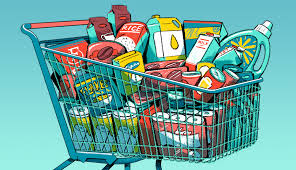
This is a big question for many households. You see those large packages at the store. They promise savings. But are they really a good deal for you? It can feel overwhelming to figure out. Let’s break it down. We’ll look at how to tell if buying in bulk makes sense for your needs.
Buying in bulk can offer significant savings and convenience, but it’s not always the best choice. Success depends on factors like your storage space, how quickly you use items, product shelf life, and the unit price comparison. Careful planning helps you avoid waste and maximize your budget.
What Does “Buying in Bulk” Really Mean?
Buying in bulk means purchasing items in larger quantities than usual. This often comes from warehouse clubs or large retail stores. You might see big boxes of cereal. Or giant packs of toilet paper. Sometimes it’s a huge bag of rice. The idea is that the more you buy, the less each single item costs. This is called the “unit price.”
Stores offer these deals to sell more goods. They hope you’ll spend more overall. For consumers, it can be a great way to save money. It also means fewer trips to the store. Think about it: one big shop instead of many small ones. This saves time and gas.
However, there’s a catch. If you don’t use the item before it goes bad, you lose money. Or if you just don’t have space to store it, it becomes a clutter problem. So, it’s not a simple yes or no answer.
My Own Bulk Buying Blunder
I remember one time I got really excited about paper towels. They were on sale at a warehouse club. It was a giant pack, like 30 rolls. I thought, “Wow, this will last forever! And it’s such a good price per roll!” I lugged that huge pack home.
It took up half the space in my linen closet. Then, a few months later, we had a leaky pipe. My husband and I had to deal with a lot of water. We needed paper towels fast. But the ones I had bought were still mostly packed away. I had to run out and buy smaller packs anyway. And the big pack? It took ages to use up. Some rolls got a little dusty. It felt like a waste. That experience taught me a lot about planning.
When Buying in Bulk Makes Perfect Sense
There are definitely times when bulk buying is a winner. It’s like finding a secret shortcut to saving money and hassle.
Smart Bulk Buys: What to Look For
Non-Perishable Goods: Think canned foods, dried pasta, rice, flour, sugar. These last a very long time.
Everyday Essentials: Items you use constantly. Toilet paper, paper towels, laundry detergent, dish soap, toothpaste. If you know you’ll use it, buy it big.
Family Favorites: If your whole family loves a specific snack or cereal, a larger size might be great. But make sure it doesn’t lead to overeating.
High-Quality Products on Deep Discount: Sometimes you find a fantastic deal on something you love and use often. If the discount is huge, it might be worth the extra storage.
If you have a large family, you naturally use things faster. So, a bigger package might be perfect. For items that don’t spoil, like cleaning supplies or pet food (if your pet eats it quickly), bulk is often a good bet. Always check the unit price. This is the price per ounce, pound, or item. A bigger package isn’t always cheaper per unit.
Storage Space: The Silent Killer of Bulk Deals
This is where many people get tripped up. You buy that massive pack of paper towels or giant box of crackers. Then you realize you have nowhere to put it. Your pantry is full. Your closets are already packed. Suddenly, that “great deal” becomes a storage headache.
Imagine buying a huge bag of dog food. But your dog is a picky eater. He only eats a little bit each day. That big bag will sit there for months. It might not stay fresh. Or consider buying a giant jug of olive oil. If you only cook one meal a week with olive oil, that jug could go rancid before you finish it.
I learned this with coffee. I love coffee. I bought a giant bag. My kitchen counter is small. I had to keep it in a less convenient spot. It made my morning routine a bit more annoying. Even small inconveniences add up. Always measure your storage space before you buy big.
Shelf Life: Does It Last Long Enough?
This is super important, especially for food items. Some things last a long time. Canned goods can stay good for years. Dried beans and pasta are similar. But other things spoil.
Milk, fresh produce, bread, and even some dairy products have a shorter shelf life. Buying a huge carton of milk when you only drink a little means some will likely go to waste. That’s money down the drain.
Think about frozen foods too. They last a long time, but you need freezer space. If your freezer is already packed, a large frozen item might not be the best idea.
Comparing Unit Prices: The Real Measure of Savings
This is the golden rule of bulk buying. Never assume the biggest package is the cheapest. You must compare the unit price.
Look at the price tag. It usually shows the price per unit. If it doesn’t, do the math yourself.
Example:
A small box of cereal costs $3. It has 10 ounces. The unit price is $0.30 per ounce.
A large box of the same cereal costs $7. It has 30 ounces. The unit price is about $0.23 per ounce.
In this case, the large box is cheaper per ounce. It’s a good deal.
But what if the large box is $7.50? The unit price is $0.25 per ounce. It’s still cheaper than the small box, but the savings are less. You need to decide if that small difference is worth the extra storage and commitment.
Quick Unit Price Check
Item: Laundry Detergent
Option A: 50 oz bottle for $6.00. Unit Price: $0.12/oz
Option B: 100 oz bottle for $10.00. Unit Price: $0.10/oz
Option C: 200 oz bottle for $22.00. Unit Price: $0.11/oz
Insight: Option B is the best value per ounce. Option C looks big but is actually more expensive per ounce than Option B.
Many apps and websites can help you compare prices. Some store apps show unit prices automatically. It pays to be a savvy shopper.
What About Quality? Does It Last?
Sometimes, buying in bulk might mean a slight difference in quality. This is less common with non-perishables. But with things like nuts or certain snacks, the quality can decrease over time if they are not stored properly.
If you buy a huge bag of nuts, and you don’t seal it airtight, they can go stale faster. Even in a good container, if they sit for many months, they might lose their crispness.
For items like meat, buying in bulk can be great if you plan to use it all. You can buy large packs, portion them out, and freeze them. This requires planning and freezer space. But it can save you money compared to buying smaller, pre-portioned packs regularly.
The Environmental Impact of Bulk Buying
This is a thoughtful aspect of bulk buying. Often, large packages have less packaging per item. For example, a large box of cereal uses less cardboard than several small boxes. This can be good for the environment.
However, if you end up throwing away a lot of food because it went bad, that’s also an environmental cost. Wasted food is a big problem. So, smart bulk buying can be eco-friendly. Reckless bulk buying can be wasteful.
Consider the packaging itself. Are you buying a product with excessive plastic? Even if it’s a large quantity, that plastic still needs to be disposed of. Some stores offer refill stations for certain items, which is an even better option if available.
Personal Experience: The Frozen Food Fiasco
I once bought a giant box of frozen chicken breasts. It was a fantastic price. I thought I was so smart. I planned to portion them and freeze them. I got them home, and my freezer was absolutely stuffed. I mean, I had to play Tetris to fit anything else in there.
So, the giant box of chicken sat in my fridge for a couple of days while I tried to make space. Then I realized I didn’t have enough freezer-safe bags to portion them all. It was a whole project. By the time I got around to it, some of the chicken had started to look a little freezer-burned already. It wasn’t a disaster, but it was way more work and stress than I had anticipated. It made me realize that buying in bulk for things you need to freeze requires serious freezer space and prep work.
Bulk Frozen Food Checklist
Do you have enough freezer space? Really measure it.
Do you have freezer-safe bags or containers? You’ll need many.
Will you use it before it spoils or freezer burns? Plan your meals.
Can you divide it into meal-sized portions easily?
When Bulk Buying Becomes a Habit, Not a Strategy
Sometimes, people get into the habit of buying everything in bulk. They go to the warehouse club and just fill their cart. They think they are always saving money. But this can lead to buying things you don’t really need.
You might buy a massive jar of something just because it’s a good unit price. But if you only use a tablespoon of it a year, it’s not a good deal. It’s just taking up space.
It’s important to have a list. Stick to it. Don’t get swayed by bulk deals on impulse items. Think about what your household actually uses.
The Convenience Factor: Time Saved vs. Space Lost
One of the biggest draws of buying in bulk is convenience. Fewer trips to the store mean more time for other things. Think about parents with young children. A big shop can be a lifesaver. Or for people who live far from stores, it’s essential.
However, this convenience can be a double-edged sword. If you’re constantly digging through a cluttered pantry to find what you need, is it really convenient? Or if you have to go out and buy a smaller package because you can’t find what you need in your bulk stash, that defeats the purpose.
I try to organize my bulk items. I use clear bins and label them. This helps me see what I have. It also makes it easier to grab what I need. It’s like a mini-warehouse in my own home. But it took effort to set up.
What This Means for Your Household Budget
If you do bulk buying right, it can significantly lower your grocery bills. This frees up money for other things. Or it can help you save more.
However, if you waste a lot of food or buy things you don’t need, bulk buying can actually hurt your budget. You might end up spending more overall because of spoiled food or impulse purchases.
A good rule of thumb is to track your spending. See where your money goes. If you notice you’re always running out of certain items, consider buying them in bulk. If you often throw away food, focus on buying smaller quantities.
Budget-Friendly Bulk Items
Canned Goods: Beans, tomatoes, soup. Great for quick meals.
Dry Goods: Rice, pasta, oats, flour. Staples that last.
Cleaning Supplies: Dish soap, laundry detergent, all-purpose cleaner. Use them all eventually.
Personal Care: Toilet paper, toothpaste, shampoo. If you use it daily, buy it big.
Pet Food: If your pet eats it consistently and you have storage.
When to Absolutely Avoid Buying in Bulk
There are situations where bulk buying is a clear no-go. You need to be honest with yourself about these.
If you have a small household and don’t use items quickly. This is the most common reason to avoid bulk.
If the item has a very short shelf life and you can’t use it all. Think fresh herbs, some dairy, or delicate produce.
If you don’t have adequate storage space. Clutter is not a good look, and it makes life harder.
If the unit price isn’t actually better. Do the math!
If the item is something you’re trying to cut back on. Buying a giant quantity might tempt you to overconsume.
If you’re unsure about the product. Try a smaller size first.
It’s like buying a giant exercise machine you’ll never use. It seems like a good idea at the time, but it just becomes an expensive decoration.
Quick Checks Before You Buy Big
Before you swipe your card for that massive package, do a quick mental check.
1. Do I need this much?
2. Will I use it before it goes bad?
3. Do I have a place to store it neatly?
4. Is the unit price truly the best deal?
5. Is this an impulse buy or a planned purchase?
If you can answer “yes” to most of these, you’re probably making a smart choice. If you hesitate on any, it might be best to stick with a smaller size.
My Little Experiment with Bulk Spices
I love to cook. I used to buy small jars of spices. They’d sit in my spice rack forever. Some would lose their flavor. I’d end up throwing them out. It felt wasteful.
So, I decided to try buying some common spices in larger pouches or bags from a specialty store. Things like cumin, paprika, and garlic powder. I got a really good unit price. I bought large, airtight containers to store them in.
It worked out great! I’m using them much faster. They stay fresher because the larger bag is opened less often. Plus, refilling my containers is easy. It’s a win-win. This taught me that bulk isn’t just for household goods. It can work for pantry staples too, with the right approach.
Navigating Warehouse Clubs: Tips for Success
Warehouse clubs like Costco or Sam’s Club are built on bulk. If you shop there, you need a strategy.
Go with a list. This is non-negotiable.
Know your prices. Compare their bulk prices to regular grocery store prices for the same items. Sometimes, smaller stores have sales that beat bulk prices.
Check expiration dates. Especially on groceries.
Don’t get sucked into impulse buys. That giant chocolate bar might look good, but do you need it?
Consider a membership. If you shop there often and save money, the membership fee is worth it.
Shop with a friend. You can split larger items and share the cost and the quantity. This is a fantastic strategy for things like huge tubs of butter or large cuts of meat.
The “Try Before You Buy Big” Rule
This is a simple but powerful idea. If you’re curious about a new product or a large quantity of something you don’t usually buy, try a smaller size first. See if you like it. See how much you actually use.
This is especially true for things like coffee pods, special sauces, or gourmet ingredients. You might think you’ll use them all the time, but reality can be different. Once you know you love it and use it regularly, then you can consider buying it in bulk.
Final Thoughts on Bulk Buying
Buying in bulk can be a smart way to save money and time. But it requires careful planning. You need to think about storage, shelf life, and actual usage. Don’t just buy big because it’s there. Be a smart shopper. Compare prices. Know your needs. When done right, bulk buying is your friend. It helps your budget and your busy life.
Frequently Asked Questions About Bulk Buying
Is it always cheaper to buy in bulk?
No, not always. You must compare the unit price. Sometimes smaller packages are on sale for less per unit.
Also, if you waste a lot of a bulk item, the overall cost can be higher.
What are the best items to buy in bulk?
Good candidates are non-perishable goods like canned foods, pasta, rice, and cleaning supplies. Also, everyday essentials like toilet paper and laundry detergent that you use constantly and have a long shelf life.
How do I know if I have enough storage space?
Measure your pantry, closets, and any other storage areas. Think about where the item will live. Imagine it there.
If it causes clutter or makes it hard to access other things, you probably don’t have enough space.
What happens if food in bulk goes bad before I can eat it?
This is a loss of money. To prevent this, buy items with long shelf lives. For perishables, ensure you have a plan to use or freeze them quickly.
Consider splitting large quantities with a friend or family member.
Should I buy bulk if I live alone?
Generally, it’s harder for individuals to justify bulk buying unless the item is non-perishable and used very slowly (like toilet paper). Sharing bulk purchases with friends or neighbors is a great strategy for singles.
Are warehouse club memberships worth it for bulk buying?
They can be if you shop there often and can genuinely save money. Calculate how much you spend annually at these clubs and compare it to what you’d spend elsewhere. If the savings exceed the membership fee, it’s likely worth it.
How can I avoid impulse buys at bulk stores?
The best way is to always go with a shopping list and stick to it. Avoid browsing aisles aimlessly. If you see something tempting, ask yourself if it’s on your list and if you truly need it in that quantity.