Deciding if something is truly worth buying involves careful thought about its actual value versus its cost. Look beyond the initial appeal to consider long-term use, quality, and how it fits into your needs. Smart shoppers weigh benefits against drawbacks before spending money.
Understanding What “Worth” Really Means
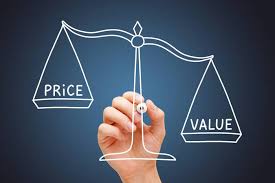
When we talk about something being “worth buying,” we’re not just talking about the price tag. Price is just one small part of the picture. True worth is about value.
It’s about what you get back for what you put in. This could be money, time, or even just peace of mind. Think about a good cup of coffee.
It costs a few dollars. But if it makes your morning better, gives you energy, and tastes amazing, that might be worth it. The value is more than just the coffee itself.
We often get caught up in the hype. A new phone comes out. It has a slightly better camera.
Suddenly, everyone feels they need it. But is it really “worth” the hundreds or thousands of dollars? Or is it just a desire pushed by marketing?
Real worth looks at how something will serve you over time. It asks questions like: Will this last? Will I use it often?
Will it solve a real problem for me?
It’s easy to confuse a “want” with a “need.” Wants are things we’d like to have. Needs are things we require to live or function well. Sometimes, a want can become so strong it feels like a need.
But knowing the difference is key to understanding true worth. A new video game might be a want. Food and shelter are needs.
The Psychology Behind Our Purchases
Our brains play a big role in why we buy things. Marketers know this well. They use psychology to make us feel like we need something.
Think about limited-time offers. “Buy now, or miss out!” This creates a fear of missing out, or FOMO. It pushes us to buy quickly without thinking.
We feel a rush of excitement when we buy something new. This is often due to dopamine, a chemical in our brain.
Social proof also influences us. If many people are buying something, we assume it must be good. We see friends with new cars, or influencers with trendy clothes.
This makes us want to join in. It’s like fitting in. We want to be part of the group.
This desire can make us overlook whether the item is truly valuable to us personally.
We also buy things to fill a void. Maybe we’re bored. Maybe we feel unhappy.
A new purchase can give a temporary feeling of happiness or excitement. But this feeling usually fades. Then we might look for something else to buy.
It becomes a cycle. Understanding these mental tricks helps us make clearer choices. We can learn to step back and ask, “Am I buying this because I truly want it, or because of how I feel?”
Common Pitfalls in Value Assessment
One big mistake is only looking at the price. A cheap item might seem like a good deal. But if it breaks quickly, it wasn’t worth the money.
You might end up buying it again and again. That’s a lot of wasted cash and effort. On the flip side, a high price doesn’t always mean high quality.
Some brands charge a lot just because they can.
Another pitfall is impulse buying. You see something, you like it, you buy it. There’s no thinking involved.
This often leads to regret later. You might buy things you don’t need, don’t use, or can’t afford. These items then just sit around, taking up space and gathering dust.
They become reminders of a decision you wish you hadn’t made.
We also tend to overvalue things we already own or want. This is called the endowment effect. Once we want something, or have it, we see it as more valuable.
This can stop us from seeing the downsides. We might ignore reviews or advice from others. We just want to justify our desire.
It’s important to be honest with yourself. Are you seeing the item clearly, or through rose-colored glasses?
Key Questions to Ask Before Buying
1. Does it solve a real problem? Does it fix something annoying or difficult in your life?
2. Will I use it often? Think about the next month, or the next year. How many times will you reach for it?
3. Is it built to last? Check reviews for comments on durability and quality.
4. Can I afford it without stress? Does it fit your budget? Will buying it cause financial worry?
5. Are there better alternatives? Is there something else that does the same job, or even better, for less money or effort?
When It’s Probably Worth It
There are times when a purchase just makes sense. It feels right. These are often things that improve your life in meaningful ways.
Think about tools that help you do your job better. Or items that make your home safer or more comfortable. A good mattress, for example, can improve sleep quality.
Better sleep leads to better health and mood.
Education and learning are also good investments. A book on a topic you want to learn about. A workshop that teaches a new skill.
These can open doors to new opportunities. They can enrich your life and career. The money spent can return many times over in knowledge and growth.
Health and wellness items can be very worth it. Things like good walking shoes for exercise. Or a sturdy backpack for hiking.
These support a healthy lifestyle. They help you stay active and enjoy the outdoors. Taking care of your body is always a good investment.
It’s hard to put a price on feeling good and strong.
My Own “Worth It” Moment
I remember when I was agonizing over buying a good quality kitchen knife. I had a cheap set that dulled quickly. Chopping vegetables felt like a battle.
I spent so much time wrestling with dull blades. My fingers felt clumsy. It made cooking feel like a chore.
I kept seeing ads for these really nice, single knives. They looked sharp and felt balanced even in pictures. I hesitated because they cost more than my entire old knife block.
Finally, I decided to splurge on one really good chef’s knife. The moment I took it out of the box, I could feel the difference. It had a good weight.
The handle felt right in my hand. The first time I used it to chop an onion, it was like magic. The onion just sliced through.
No pushing, no sawing. It was fast and clean. My cooking time cut in half.
My prep work became enjoyable. I felt more confident in the kitchen. That knife is still my favorite tool years later.
It was absolutely worth buying. It wasn’t just a knife; it was an upgrade to my entire cooking experience.
When Value Outweighs Cost
- Durability: An item that lasts for years often proves cheaper than frequent replacements.
- Efficiency: Tools that save you significant time or effort can be well worth the investment.
- Well-being: Purchases that directly improve your health, safety, or mental peace offer high value.
- Skill Development: Resources that help you learn a new skill or advance your career are often priceless.
- Joy and Fulfillment: Sometimes, an item brings immense happiness or helps you pursue a passion.
When You Should Probably Skip It
On the flip side, there are many purchases that are simply not worth it. These often fall into categories of impulse buys or things that promise more than they deliver. Think about those “as seen on TV” gadgets.
They often look amazing in the ad. But in reality, they might be flimsy, ineffective, or hard to use. They fill a temporary need, but not a real one.
Another area to be cautious about is anything that promises a quick fix. Weight loss products that sound too good to be true. Or “get rich quick” schemes.
These prey on people’s desires for easy solutions. They rarely deliver on their promises. The real cost can be much higher than just the money spent.
It can be lost hope or wasted time.
Trendy items that will be out of style next season are also often not worth buying. Fast fashion clothes. The latest electronic gadget that will be replaced in a year.
Unless you have the budget and enjoy constantly updating, these can be money pits. They lose value quickly.
My “Not Worth It” Lesson
I once bought a highly-rated, expensive blender. It had all these fancy settings. It promised to make smoothies, soups, and even ice cream.
I was so excited! I pictured myself making healthy, delicious drinks every morning. But here’s the thing: cleaning that blender was a nightmare.
It had so many parts. They were awkward to wash. It took longer to clean than it did to make the smoothie.
Plus, it was incredibly loud. My dog would hide under the bed every time I turned it on.
After a few weeks, it just sat on my counter, looking intimidating. I stopped using it. I went back to my old, simpler blender for my morning smoothies because it was easy to clean.
That fancy blender ended up being a big waste of money and counter space. It was a perfect example of buying something based on hype and features, rather than how I would actually use it in my daily life. I learned that sometimes, simpler is better.
And easy cleanup is a crucial feature!
Warning Signs to Watch For
- Unrealistic Claims: If it sounds too good to be true, it probably is.
- High Pressure Sales: Tactics like “limited time only” or aggressive upselling can be red flags.
- Poor Reviews on Durability: Many users report it breaking or not working well after a short time.
- Lack of Clear Usage Instructions: If it’s complicated to understand how to use it, you might not use it.
- Planned Obsolescence: Items designed to fail or become outdated quickly.
How to Spot a Genuine Value
Spotting real value takes a bit of practice. It’s about looking beyond the shiny surface. Start by doing your homework.
Read reviews from different sources. Look for detailed feedback, not just star ratings. See what people who have owned the item for a while say.
Consider the cost over time, not just the upfront price. This is called the “total cost of ownership.” For a car, this includes gas, insurance, and repairs. For a tool, it’s the cost of batteries or maintenance.
A slightly more expensive item that lasts longer and costs less to run can be a better value.
Think about the warranty and customer support. A good warranty shows the company stands by its product. Easy-to-reach customer service can save you headaches if something goes wrong.
These things add to the overall value of your purchase.
Real-World Scenarios: Different Purchases, Different Values
Let’s look at a few examples. Imagine buying a sturdy, well-made backpack for hiking. It costs $100.
But it has comfortable straps, lots of pockets, and is made of tough material. You use it on many trips over 5 years. It holds up perfectly.
That $100 spread over 5 years is $20 per year. That’s great value. It served its purpose and lasted.
Now, imagine buying a trendy fashion jacket for $100. It looks cool for one season. But the seams start to fray.
The zipper breaks. You can’t wear it next year because it’s out of style anyway. You used it for maybe 10 days.
That $100 for a few wears and a short lifespan? Not good value. The worth buying decision hinges on its longevity and utility.
Consider a software subscription for $20 per month. If it helps you do your job 10 times faster, that’s likely worth it. If you save 5 hours a week, that time can be used for other important things or even relaxation.
The value you gain in time and productivity far outweighs the monthly fee.
My Experience with a “Value” Appliance
In my first apartment, money was really tight. I needed a coffee maker. I saw a basic one for $15.
Then there was a slightly fancier one for $30. It had a timer. I thought about it.
Waking up to fresh coffee sounded amazing. It would save me a few minutes each morning. That might not sound like much, but in a rush, every minute counts.
I decided to go for the $30 one. That timer function was a game-changer. I’d set it the night before.
The smell of coffee would wake me up. It was a small luxury, but it made my mornings so much smoother. I used that coffee maker every single day for five years.
When it finally gave out, I didn’t even feel bad. That $30 investment gave me years of convenience and enjoyment. It was definitely worth buying for the daily ease it provided.
Comparing Value: Backpack vs. Trendy Jacket
Item: Hiking Backpack
- Cost: $100
- Lifespan: 5 years
- Usage: Many trips
- Value: High (low cost per year, reliable performance)
Item: Trendy Fashion Jacket
- Cost: $100
- Lifespan: 1 season
- Usage: Limited wears
- Value: Low (high cost per wear, quickly outdated)
What This Means for Your Next Purchase
When you’re thinking about buying something new, take a moment. Pause before you click or pay. Ask yourself those key questions we talked about.
Will this truly make my life better? Will I use it regularly? Is it built to last?
Is the price fair for the quality and function I’m getting?
Consider the long-term impact. Will this purchase create more problems than it solves? For example, buying a cheap piece of furniture might seem good now, but if it breaks easily, you’ll have to replace it soon.
This costs more money and creates waste. Investing in quality, even if it costs a little more upfront, often saves you money and stress in the long run.
It’s also okay to say “no.” You don’t have to buy everything you see or want. Learning to resist impulse buys and unnecessary purchases is a skill. It helps you save money for things that truly matter.
It keeps your home from getting cluttered. It gives you more freedom.
Quick Checks for Smart Shopping
Before you buy, try these simple checks:
- Check your budget: Can you truly afford it without going into debt or sacrificing needs?
- Read recent reviews: Look for feedback from the last 6-12 months.
- Compare prices: See if other stores offer it for less.
- Consider used options: For some items, buying used can offer great value.
- Ask yourself: “Do I need this, or do I just want this right now?”
Is It Worth Buying? A Simple Checklist
1. Need vs. Want: Is this a genuine need or a fleeting desire?
2. Long-Term Use: Will it serve you well for months or years?
3. Quality & Durability: Is it made to last?
4. Budget Fit: Does it align with your financial plan?
5. Better Alternatives: Are there simpler or more cost-effective options?
Frequently Asked Questions
How can I tell if a product’s reviews are trustworthy?
Look for detailed reviews that explain both the pros and cons. Be wary of reviews that are all positive or all negative with no specifics. Check if the reviewer mentions owning the item for a while.
Some fake reviews are very generic or use similar phrasing.
What’s the difference between a good deal and a bad purchase?
A good deal is when you get high quality or significant utility for a fair price. A bad purchase is when you pay a lot for something that is low quality, doesn’t work, or you don’t use. It’s about getting true value for your money, not just a low price.
Should I always buy the cheapest option available?
Not necessarily. While saving money is good, the cheapest option might be poor quality and need replacing sooner. Consider the total cost of ownership.
Sometimes, paying a bit more for something that lasts longer is a smarter financial choice.
How do I avoid impulse buying?
Give yourself a “cooling-off period” before buying. Wait 24 hours or even a week for non-essential items. Unsubscribe from marketing emails that tempt you.
Make a list of what you actually need and stick to it when shopping.
When is it okay to buy something expensive?
It’s okay to buy something expensive if it offers significant value that aligns with your needs and budget. This could be for essential items like a reliable car or a quality appliance that will last for years. It can also be for items that greatly enhance your quality of life or support your career goals.
What if I buy something and then regret it?
First, check the return policy. Many stores allow returns within a certain time frame. If you can’t return it, try to sell it secondhand.
If it’s something you can’t sell, see if you can donate it. Most importantly, learn from the experience for your next purchase.
Final Thoughts on Making Smart Choices
Deciding if something is worth buying is a skill. It takes practice and a little bit of self-awareness. By understanding value, checking your own motives, and doing your research, you can make much smarter choices.
You’ll end up with more things you truly need and enjoy. And you’ll save money and avoid clutter too. Happy shopping, and more importantly, happy saving!