Blog

  • Cost Per Use Calculation

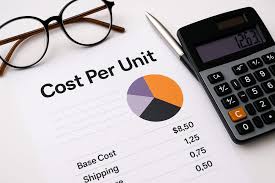
    Cost per use is a way to figure out the real cost of an item or service based on how many times you use it. It helps you see if something is a good deal over its life. You calculate it by dividing the total cost by the number of times you use it. This helps make smarter buying choices.

    What is Cost Per Use?

    Cost per use is a simple idea. It looks at how much you pay for something each time you use it. Think of it like renting.

    You pay a fee to use something for a short time. Cost per use does this for things you own.

    This method helps you see the value of your purchases. A cheap item used often can be more expensive in the long run. A pricier item used a lot might be a better deal.

    It shifts your focus from the initial price tag to the long-term benefit.

    We often buy things without thinking about how much we’ll actually use them. Then, they sit in a closet or garage. Cost per use makes us think ahead.

    It encourages buying quality items that last and that we will actually reach for.

    This way of thinking applies to almost anything. It works for clothes, tools, appliances, gym memberships, or even digital subscriptions. It’s a powerful tool for smarter budgeting.

    Let’s dive deeper into why this matters so much for your wallet and your life. Understanding the math behind it is key.

    Why Cost Per Use Matters So Much

    In my own life, I remember buying a really fancy coffee maker. It was a big splurge. I loved the idea of making cafe-quality drinks at home.

    But after a few weeks, the novelty wore off. It sat there, collecting dust. The initial cost was high, and the number of times I actually used it was low.

    When I did the math, the cost per cup was way more than I’d pay at a coffee shop. That was a hard lesson learned!

    That experience taught me a lot. It showed me that the sticker price isn’t the whole story. Cost per use helps uncover hidden expenses.

    It reveals how value changes over time with usage.

    This is especially true for things you buy for a hobby or a special occasion. You might only use them a few times a year. Or maybe you buy something because it’s on sale, thinking you’ll find a use for it.

    Cost per use forces you to be honest about your needs and habits.

    It also helps you appreciate things you already own. That trusty old jacket you wear almost every day? It might have cost a bit upfront.

    But if you wear it for years, its cost per wear is tiny. That’s great value. It encourages mindful consumption.

    You buy less junk and more of what truly serves you.

    Thinking about cost per use can also make you a better gift-giver. Instead of a trendy gadget that might be forgotten, you might choose something practical and durable. Something that will be used and appreciated for a long time.

    It’s not just about saving money. It’s about getting the most out of your resources. It’s about making choices that align with your values and your lifestyle.

    The Cost Per Use Equation: Simple Math

    The basic formula is easy:

    Cost Per Use = Total Cost / Number of Uses

    Let’s break down each part:

    • Total Cost: This is what you paid for the item.
    • Number of Uses: This is how many times you actually use it.

    It sounds simple, but figuring out “Number of Uses” can be tricky. We’ll explore that next.

    How to Calculate Cost Per Use: A Step-by-Step Guide

    Let’s walk through how to actually do this. It’s not complicated, but it requires a little thought. We’ll use a common example: a pair of running shoes.

    Step 1: Know the Total Cost.

    You bought a great pair of running shoes for $120. That’s your total cost. Make sure you include any taxes or shipping fees if you want a precise number.

    Step 2: Estimate the Number of Uses.

    This is the part that needs some estimation. How many times will you use these shoes? For running shoes, a common estimate is based on miles.

    A good pair of running shoes can often last between 300 to 500 miles.

    Let’s say you plan to run about 15 miles per week. Over a year, that’s 15 miles/week * 52 weeks/year = 780 miles.

    If your shoes last about 400 miles, you’ll need about two pairs per year (780 miles / 400 miles/pair = 1.95 pairs).

    So, for the purpose of calculating the cost of that one pair of shoes, we can consider the “number of uses” to be 400 miles. Or, if you prefer to think in terms of runs, and you run 3 times a week, and the shoes last for 100 runs, then your number of uses is 100.

    For simplicity, let’s say you estimate you’ll get 100 runs out of these shoes before they’re worn out. That’s your estimated number of uses.

    Step 3: Do the Math.

    Now, plug those numbers into the formula:

    Cost Per Use = $120 / 100 runs

    Cost Per Use = $1.20 per run

    So, for every time you go for a run in those shoes, it’s costing you about $1.20. This feels much more manageable than just looking at the $120 price tag.

    What if you don’t run that much?

    Suppose you only run 5 miles per week. That’s about 260 miles per year. If the shoes still last 400 miles, you’ll wear them out in about 1.5 years.

    The number of runs would be less.

    If you get 70 runs out of them instead of 100:

    Cost Per Use = $120 / 70 runs

    Cost Per Use = Approximately $1.71 per run

    See how the cost per use goes up? This tells you that if you don’t use them as much, the shoes become less of a good deal per run.

    This estimation is the tricky part. But even a rough estimate is better than no estimate at all. It helps you compare things.

    Quick Scan: Cost Per Use Examples

    Item Total Cost Estimated Uses Cost Per Use
    Good Blender $150 500 Smoothies $0.30 per smoothie
    Basic T-shirt $20 50 washes/wears $0.29 per wear
    Power Drill $100 10 projects $10.00 per project

    Note: ‘Uses’ are examples and will vary greatly.

    Estimating “Number of Uses”: Where the Art Comes In

    The hardest part of cost per use is estimating the “number of uses.” This isn’t always a simple count. Sometimes it’s about time, sometimes it’s about specific tasks, and sometimes it’s about a lifespan.

    For Clothing:

    You can estimate based on how many times you’d realistically wear an item. A shirt might be worn 30-50 times before it looks old or worn out. A fancy dress for a wedding might only be worn once or twice.

    That single-use dress will have a very high cost per wear.

    For Tools and Appliances:

    Think about the projects you’ll do with a tool. Will you use that drill for 10 home improvement projects? Or maybe 50 small DIY fixes?

    For an appliance like a dishwasher, you might estimate the number of loads over its expected lifespan. A dishwasher might last 10 years with 3 loads a week. That’s 3 loads/week 52 weeks/year 10 years = 1560 loads.

    If it cost $600, the cost per load is about $0.38.

    For Subscriptions and Memberships:

    This is often easier. For a gym membership at $50 per month, if you go 10 times a month, it’s $5 per visit. If you only go 4 times, it’s $12.50 per visit.

    For streaming services, you can think of it per hour of entertainment.

    For Experiences:

    This is harder but still possible. A season pass to an amusement park might cost $300. If you go 10 times during the season, it’s $30 per visit.

    If you only go twice, it’s $150 per visit. This helps decide if the pass is truly a good deal for you.

    The “Lifespan” Approach:

    Sometimes, instead of discrete “uses,” you think about the item’s total lifespan. For furniture, you might estimate how many years it will last. A $1000 sofa that lasts 10 years has an annual cost of $100.

    If you replace it every 3 years, you’re spending more overall for shorter use.

    The key is to be as realistic as possible. Don’t overestimate how much you’ll use something. Be honest about your habits.

    This is where personal experience and self-awareness come in. It’s about understanding your own behavior.

    If you’re unsure, it’s often better to be conservative with your “number of uses” estimate. This will give you a higher, more realistic cost per use. It protects you from overspending.

    Contrast: Overspending vs. Smart Spending

    Myth: The cheapest item is always the best deal.

    Reality: The item with the lowest cost per use, even if it has a higher initial price, is often the better deal.

    Consider a $20 pair of shoes that fall apart after 10 wears (cost per wear = $2.00). Compare that to a $100 pair that lasts for 100 wears (cost per wear = $1.00). The more expensive pair is the better value here.

    Real-World Context: Where Cost Per Use Shines

    In my own home, I’ve applied this thinking to many purchases. When my old toaster oven finally gave out, I looked at replacements. I could get a basic one for $50, or a fancier convection toaster oven for $150.

    I bake a lot of small things and often reheat leftovers. I figured I’d use the convection one at least 5 times a week.

    The basic toaster oven might last 5 years. Let’s say 5 uses/week 52 weeks/year 5 years = 1300 uses. Cost per use = $50 / 1300 = about $0.04.

    The convection toaster oven might also last 5 years. 5 uses/week 52 weeks/year 5 years = 1300 uses. Cost per use = $150 / 1300 = about $0.11.

    Now, the fancier one seems more expensive per use. But I also considered features. The convection oven toasts more evenly, bakes faster, and can fit a small pizza.

    This means I might use it more often, maybe 7 times a week.

    7 uses/week 52 weeks/year 5 years = 1820 uses. Cost per use = $150 / 1820 = about $0.08.

    This revised calculation made the $150 oven look much better. It offered more functionality that would increase its usage. It became the smarter buy for my lifestyle, even with a higher upfront cost.

    It wasn’t just about the numbers; it was about how the item fit into my daily life.

    This is why understanding your habits is crucial. If you rarely cook or bake, that convection oven would just be an expensive appliance. But for someone like me, it’s a workhorse that saves me time and energy.

    It becomes a great value.

    The environment where you use things also matters. A tool bought for occasional DIY might be used more heavily if you’re a contractor. A piece of clothing bought for a tropical vacation won’t get much use in a cold climate.

    Context is everything.

    Observational Flow: Making a Purchase Decision

    1. Identify Need: Do I really need this?
    2. Research Options: Look at different brands and models.
    3. Note Prices: Write down the cost of each.
    4. Estimate Uses: How often will I use each? Be realistic!
    5. Calculate Cost Per Use: Use the formula.
    6. Consider Quality & Durability: Will this last?
    7. Factor in Added Value: Does it offer features I’ll use?
    8. Make Decision: Choose based on value, not just price.

    What This Means for You: When It’s Normal and When to Worry

    When Cost Per Use is Your Friend:

    It’s normal and helpful to use cost per use for things you buy regularly or expect to use for a long time. This includes:

    • Clothing and shoes
    • Tools and equipment
    • Appliances
    • Furniture
    • Vehicles
    • Subscriptions and memberships

    When you calculate cost per use for these items, you gain clarity. You can compare a high-quality, durable item to a cheaper, less durable one. You can see if that monthly subscription is actually worth the money based on your engagement.

    When to Be Cautious or Worry:

    Sometimes, cost per use isn’t the only factor. You might worry if:

    • Your “Number of Uses” is Always Very Low: If you buy something with the best intentions but consistently find you use it only a handful of times, that’s a red flag. It suggests you might be overspending on items that don’t fit your lifestyle.
    • The Initial Cost is Prohibitive: While a high-quality item might have a low cost per use over its lifespan, if you can’t afford it upfront, it’s not a viable option. This is especially true for large purchases like cars or major appliances.
    • The Item’s Lifespan is Unclear: For some trendy items or products with unknown durability, estimating lifespan or uses can be very hard. This makes cost per use less reliable.
    • You’re Using It to Justify Bad Purchases: Don’t use cost per use as an excuse to buy things you don’t need. It should be a tool for making smart choices about necessary or highly desired items.

    Simple Checks You Can Do:

    • Track Your Usage: For a month, try to note how often you use certain items. This can give you better data for your cost per use calculations.
    • Review Past Purchases: Look at items you bought a year or more ago. How often have you used them? What was their cost per use? This can inform future decisions.
    • Compare “Cost Per Wear” for Clothes: This is a popular version of cost per use for fashion. It helps you see if that expensive dress is really worth it if you’ll only wear it once.

    The goal is not perfection, but better awareness. Cost per use is a guide, not a rigid rule. It helps you see the bigger picture of your spending.

    Quick Fixes & Tips for Smarter Spending

    Using the cost per use idea can lead to some smart habits. Here are some tips to make it work for you.

    Tip 1: Embrace Quality Over Quantity.

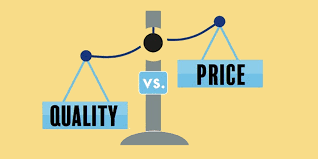
    Often, spending a bit more upfront on a well-made item means it will last much longer. This leads to a lower cost per use. Think of it as an investment.

    Tip 2: Be Honest About Your Habits.

    Don’t overestimate how much you’ll use something. If you love cooking but only have time on weekends, factor that into your “uses” estimate. Your real habits are key.

    Tip 3: Consider Secondhand or Refurbished.

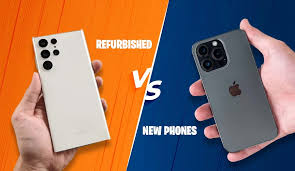
    You can get great value by buying items used. A second-hand designer bag or a refurbished laptop can offer a much lower initial cost, leading to an even lower cost per use.

    Tip 4: Borrow or Rent When Possible.

    For items you’ll only need once or twice, like a specialized tool or formal wear, borrowing from friends or renting is almost always cheaper than buying. This is the ultimate low cost per use!

    Tip 5: Think About “Cost Per Hour” for Entertainment.

    For entertainment options, like video games, movies, or streaming services, consider the cost per hour of enjoyment. A $60 video game you play for 100 hours costs $0.60 per hour. A $15 movie ticket might be $15 per hour if the movie is only 1 hour long.

    Tip 6: Use Depreciation as a Guide.

    For big purchases like cars, depreciation is a major factor. A car that loses half its value in 3 years costs a lot more “per year” than one that holds its value better, even if the purchase price was similar.

    Tip 7: Don’t Forget Maintenance.

    Sometimes, the “total cost” includes ongoing maintenance or repair costs. Factor these into your cost per use if they are significant.

    These tips help you apply the cost per use principle beyond just a simple calculation. They guide your purchasing behavior.

    Stacked Micro-Sections: Choosing Wisely

    Durable Goods: Focus on items built to last. They save money long-term.

    Occasional Use: For things you need rarely, explore renting or borrowing first.

    Digital Services: Check your actual usage versus subscription cost. Are you paying for more than you use?

    Personal Projects: If buying tools, consider the number of projects you’ll tackle.

    Wearable Items: Invest in classic styles and good materials for clothes. They stay in rotation longer.

    Frequent Questions About Cost Per Use

    Is cost per use only for expensive items?

    No, cost per use is helpful for items of all price points. While it’s often used for larger purchases, it can also show you that cheap, frequently replaced items can end up costing more over time. It’s about the value you get for the money spent, no matter the initial price.

    How do I estimate the number of uses for something like a couch?

    For items like furniture or appliances, it’s often easier to think about their lifespan in years. You can estimate how many years you expect the item to last. Then, divide the total cost by the number of years.

    This gives you a “cost per year.” You can also think about the number of times you use it daily or weekly over its life, but years are often more practical for large, long-lasting items.

    What if my estimate of uses is wrong?

    That’s okay! The goal is to get a better idea, not to be perfectly accurate. If your estimate is off, you’ll learn more for your next purchase.

    The act of thinking about usage is already a step towards smarter spending. You can always re-calculate if you realize you’re using something much more or less than planned.

    Should I use cost per use for food?

    Generally, cost per use isn’t applied to consumable goods like food in the same way. Food is meant to be used up. However, you can use similar principles for meal planning and grocery shopping.

    Thinking about “cost per meal” or “cost per serving” can help you choose more budget-friendly and healthy options. Comparing the price of ingredients for home-cooked meals versus eating out is a form of this thinking.

    How does cost per use relate to depreciation?

    Depreciation is a concept mostly for assets like cars or electronics, where their value decreases over time. Cost per use is a broader concept that looks at the value you get from using an item. For a car, depreciation is part of its total cost, and then you can divide that total cost (purchase price minus resale value, plus running costs) by the miles driven to get a cost per mile, which is similar to cost per use.

    What if I buy something on sale? How does that affect cost per use?

    If you buy something on sale, your “total cost” is the sale price. This will naturally lower your cost per use. However, it’s important to ensure you still truly need and will use the item.

    Buying something on sale that you don’t need means you’ve still wasted money, even if the cost per use calculation looks good on paper.

    Conclusion: Making Your Money Work Smarter

    Thinking about cost per use changes how you look at buying things. It moves beyond the initial price tag. It helps you see the real value of your purchases over time.

    By estimating how often you’ll use an item, you can make much smarter choices.

    This simple calculation can save you money and lead to a more satisfying collection of belongings. It encourages quality, durability, and mindful consumption. Start using cost per use today to make your money work harder for you.
  • Best Things To Buy Used

    Buying used items is a great way to save money and find unique treasures. Many things hold their value well and are safe to purchase second-hand, from furniture and books to certain vehicles and tools. However, understanding what makes a good used purchase versus a risky one is key to smart shopping.

    The Smartest Buys: What Holds Its Value

    When you look for used items, think about things that are built well. Quality matters a lot. Things that last a long time are usually good bets.

    They don’t break easily. Also, think about things that don’t have many small parts. Fewer parts mean fewer things to go wrong.

    Many people worry about buying electronics used. But some electronics are still great buys. You just need to know which ones.

    Furniture is a big one. A solid wood table can last for ages. It might have a few scratches.

    But you can often fix those. Sofas are trickier. You need to check them carefully for bugs or smells.

    But if they are clean and in good shape, they can be a bargain. Kids’ stuff is another area. Babies grow fast.

    They use things for a short time. Good quality strollers or high chairs can be bought for much less. You save money.

    Someone else took the big hit on the price.

    Tools are often excellent used buys. A good hammer or wrench is made to last. They don’t change much over time.

    So, a used one is often just as good as a new one. The same goes for some kitchen items. Cast iron pans, for example, get better with age.

    They are practically indestructible. Think about things that don’t need much technology. Simple is often better when buying used.

    My First Big Used Win: The Bookshelf Saga

    I remember when I first moved into my small apartment. Money was tight. Really tight.

    I needed a bookshelf. Not just any bookshelf, but one that looked decent and could hold all my books. New ones were just too expensive.

    I felt a bit stressed walking into a second-hand store. It smelled like old wood and dust. I saw lots of mismatched tables and weird lamps.

    Then I spotted it. A tall, dark wood bookshelf. It had clean lines.

    It looked sturdy. The price was almost a joke. I felt a little nervous.

    What if it was wobbly? What if it had termites? But it was beautiful.

    I brought it home. It was heavy. We cleaned it up.

    It didn’t wobble at all. It looked perfect in my living room. It made the whole space feel grown-up.

    I still have it. It’s one of my favorite pieces. It taught me that patience and a good eye can lead to amazing finds.

    Things That Stay Strong Used

    • Furniture: Solid wood tables, dressers, chairs. Check for sturdiness.
    • Books: Hardcovers and paperbacks are often in great shape.
    • Tools: Hammers, wrenches, saws. Quality tools last.
    • Kitchenware: Cast iron pans, sturdy mixing bowls.
    • Baby Gear: Strollers, bouncers, high chairs. Check for safety recalls.
    • Musical Instruments: Guitars, keyboards. Test them first.
    • Art & Decor: Picture frames, lamps, unique vases.

    Where to Find the Best Used Deals

    So, you’re ready to hunt for treasures. Where do you start? There are so many places!

    Online is huge. Think of Facebook Marketplace. It’s like a giant yard sale at your fingertips.

    You can find almost anything there. People list items daily. You can search by location.

    You can often chat directly with the seller. This helps you ask questions. It helps you see if they are friendly.

    Craigslist is another big one. It’s older, but still popular. You see items listed there too.

    Just be safe when you meet up. Always meet in a public place if you can. Or bring a friend.

    There are also dedicated apps and websites. Poshmark is great for clothes. OfferUp is similar to Facebook Marketplace.

    Letgo used to be popular but merged with OfferUp. eBay is fantastic for rare items or collectibles. You can find anything from vintage toys to old cameras.

    You can also bid on items. This can sometimes get you an even better price.

    Don’t forget the real-world places. Thrift stores are amazing. Goodwill and Salvation Army are common.

    But there are also smaller, local thrift shops. These can have hidden gems. You never know what you’ll find.

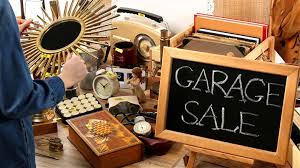
    Yard sales and garage sales are fun too. You often have to get there early for the best stuff. Estate sales are great for furniture and home goods.

    People are often selling everything from a whole house. It can be a bit sad for the family. But it’s a good chance for you to find quality items.

    Your Used Shopping Checklist

    Online:

    • Facebook Marketplace
    • Craigslist
    • eBay
    • Poshmark (clothes)
    • OfferUp

    In-Person:

    • Thrift Stores (Goodwill, Salvation Army, local shops)
    • Yard Sales / Garage Sales
    • Estate Sales
    • Flea Markets

    Things to Be Careful With When Buying Used

    Now, let’s talk about the flip side. Some things are just not worth the risk. Safety is a big concern.

    Things like car seats or cribs are tricky. They have strict safety rules. If they are old, they might not meet current standards.

    They could be broken in ways you can’t see. Also, think about health. Mattresses are a big no-no.

    You don’t know what’s in them. Bedding can carry germs or pests. It’s just not sanitary.

    Used underwear or socks are also out. That’s pretty obvious.

    Electronics can be a gamble. Older TVs might not work with modern systems. Some older computers won’t run new software.

    Batteries in things like laptops or phones might be worn out. They won’t hold a charge for long. You might end up spending more to fix them than you saved.

    High-tech gadgets with lots of moving parts can fail easily. They can be expensive to repair.

    Some things are just hard to clean properly. upholstered furniture, like couches or chairs, can hide smells. They can also hold allergens.

    If you have allergies, this is something to avoid. Also, inspect them super carefully for bugs. Even if it looks clean, there could be problems.

    Think about anything that requires a lot of upkeep or special parts. If those parts are hard to find, a used item can become a headache.

    Food-related items can also be risky. Small kitchen appliances that have electrical cords need to be checked. Old blenders or toasters might have frayed wires.

    This is a fire hazard. Even some pots and pans might have non-stick coatings that are worn out. This can be bad for your health.

    Always think about the potential for hidden damage or health risks.

    Items to Approach with Caution (Or Avoid)

    • Safety Gear: Car seats, bike helmets, cribs (check recalls first!)
    • Mattresses & Bedding: Health and hygiene concerns.
    • Undergarments & Swimwear: Obvious hygiene issues.
    • Used Tires: Safety concerns, unseen damage.
    • Old Electronics: Compatibility issues, worn batteries, outdated tech.
    • Anything with Complex Mechanics: Unless you are an expert.
    • Items with Hidden Health Risks: Lead paint, mold, pests.

    My Used Car Nightmare (And How I Learned)

    I once bought a used car. It was my first car that wasn’t handed down. It looked good.

    It had low miles for its age. The price was great. I was so excited.

    I took it for a quick test drive around the block. It seemed fine. The seller was a bit pushy.

    But I ignored that. I signed the papers. The next day, it started making a weird noise.

    A small noise at first. Then it got louder. It sounded like a dying animal.

    I took it to a mechanic. He looked at me with pity. He said the engine was on its last legs.

    It needed major repairs. The cost was more than I paid for the car. I was devastated.

    I learned a hard lesson. Always get a used car inspected by your own mechanic. Never trust the seller’s word alone.

    It cost me money and a lot of tears. But I learned to be much smarter with big purchases.

    Understanding Vehicle Condition: A Used Car Deep Dive

    Buying a used car is a big purchase. It’s one where careful checks are super important. You can save a lot of money compared to buying new.

    But you also need to be smart. First, research the make and model. Look up common problems for that car.

    Websites like Consumer Reports or J.D. Power can offer insights. They tell you about reliability ratings.

    Next, check the vehicle history report. Services like CarFax or AutoCheck can show you accident history. They also list past owners and mileage.

    This is a must-do. Then, inspect the car closely. Look for rust, especially on the undercarriage.

    Check the tires for even wear. Open and close all doors, windows, and the trunk. Make sure they work smoothly.

    Inside, check the upholstery. Look for rips, stains, or smells. Test all the lights, the radio, the AC, and the heater.

    The test drive is crucial. Drive it on different types of roads. Listen for strange noises.

    Does the engine sound smooth? Do the brakes work well? Does the transmission shift without problems?

    Pay attention to how the car handles. After the drive, ask for a pre-purchase inspection. Take it to a trusted, independent mechanic.

    They can spot problems you might miss. This small cost can save you thousands.

    Used Car Buying Steps

    1. Research the make and model.
    2. Get a vehicle history report.
    3. Inspect the exterior thoroughly.
    4. Check the interior condition.
    5. Test all electrical components.
    6. Take an extensive test drive.
    7. Schedule a pre-purchase inspection by a mechanic.

    When is Used Not Really Worth It? The Hidden Costs

    Sometimes, a “deal” on a used item isn’t a deal at all. This happens when the item needs a lot of work. You might think you’re saving money.

    But then you have to buy parts. You might need to pay for repairs. The cost can add up fast.

    For example, an old appliance might look fine. But if its motor is about to die, you’ll need a new one. Or if a piece of furniture is loose and wobbly, fixing it can be costly.

    This is especially true if the parts are hard to find. Imagine buying a vintage lamp. It looks cool.

    But the wiring is old and unsafe. Rewiring it might be expensive or difficult.

    Another issue is when an item doesn’t work with your current setup. Think about older video game consoles. They might need special cables or adapters to connect to a new TV.

    Or software for an old computer might not be available anymore. You can’t use it for what you intended. This makes it useless.

    It’s like buying a tool that doesn’t fit your other tools. It’s just frustrating.

    Time is also a cost. Searching for the perfect used item can take hours. Driving to different places, meeting sellers, and inspecting items all take time.

    If you’re spending days searching, is it really worth the savings? For some people, their time is more valuable. Paying a bit more for something new and reliable might be a better choice.

    It gives you peace of mind. It also means you can start using it right away. Without worry.

    Hidden Costs of Used Items

    • Repair Costs: Parts and labor can add up.
    • Upgrade Needs: May require adapters or new accessories.
    • Time Investment: Searching, traveling, and inspecting takes time.
    • Unforeseen Issues: Problems that aren’t visible initially.
    • Lack of Warranty: No safety net if something goes wrong quickly.

    My Own DIY Disaster with Used Power Tools

    I once found a great deal on a used power saw. It was a brand I trusted. It looked like it had only been used a few times.

    The seller said he was moving and just wanted it gone. I thought I hit the jackpot. I needed it for a small home project.

    When I got it home and plugged it in, it made a horrible grinding noise. I tried adjusting it. I looked up videos online.

    I spent hours trying to figure it out. It turned out a crucial part was worn out. It wasn’t something I could easily

    Understanding Wood Furniture Quality

    When you look at used wooden furniture, you’ll see different types. Solid wood is the best. This means the whole piece is made from real wood.

    Oak, maple, cherry, and mahogany are common. They are strong and can be repaired. Look for pieces that feel heavy.

    Check the joints. Are they tight and secure? Can you see wood grain on all sides?

    This is a good sign of solid wood.

    Then there’s hardwood versus softwood. Hardwoods like oak are dense and durable. Softwoods like pine are lighter and can scratch more easily.

    Both can be good buys, but know their differences. Plywood is also used. It’s made of thin layers of wood glued together.

    Good quality plywood is strong. It’s often used for drawer bottoms or the back of cabinets. It’s not a bad thing if used well.

    Avoid particleboard or MDF (medium-density fiberboard) if you can. These are made from wood dust and glue. They are cheaper.

    But they don’t hold up well. They can swell if they get wet. They can break easily.

    They are also harder to repair. If a piece of furniture is made of particleboard, it might not be worth the risk. Unless it’s very cheap and for a temporary use.

    Always tap on the wood. Solid wood sounds different than particleboard. It has a deeper, richer sound.

    Wood Furniture Types: What to Know

    Solid Wood:

    • Pros: Durable, repairable, looks great.
    • Cons: Can be heavy, more expensive (even used).
    • Examples: Oak, Maple, Cherry, Walnut.

    Plywood:

    • Pros: Strong when good quality, stable.
    • Cons: Can be weaker if low quality.
    • Uses: Drawer bottoms, cabinet backs.

    Particleboard / MDF:

    • Pros: Cheap, lightweight.
    • Cons: Not durable, swells with water, hard to repair.
    • Warning: Often a sign of lower quality furniture.

    When is Used Electronics a Good Idea?

    Buying used electronics can be tricky. But some items are still great buys. Think about things that don’t change much over time.

    Simple devices are often better. For example, a basic stereo system or a good set of speakers can last for years. They don’t need software updates.

    They just do their job. Older gaming consoles, like a PlayStation 2 or an original Xbox, are popular with collectors. If you find one in good working order, it can be a fun purchase.

    Monitors can also be a good deal. If you need a second screen for your computer, a used monitor can be much cheaper. Just make sure it works and doesn’t have dead pixels.

    Check the connections to see if they match your computer. Laptops and smartphones are riskier. Batteries wear out.

    They get slow with newer software. You might need to buy a new battery. Or it might not be worth the trouble.

    If you do buy a used phone or laptop, try to get one that is only a year or two old.

    Always ask about the battery life. If possible, test it. Also, check if it has been factory reset.

    This clears personal data. Ask if it comes with a charger. Make sure the ports are not damaged.

    It’s wise to buy from places that offer a short return window. This gives you time to test it. You can send it back if it doesn’t work.

    Used Electronics: Smart Buys vs. Risky Buys

    Smarter Buys:

    • Simple audio equipment (speakers, stereos)
    • Older gaming consoles (for collectors/nostalgia)
    • Computer monitors (check for dead pixels)
    • Drones (if inspected carefully, often expensive new)

    Riskier Buys:

    • Smartphones (battery life, software support)
    • Laptops (battery, speed, software)
    • Tablets (similar to smartphones)
    • Complex smart home devices (compatibility issues)

    What This Means For Your Wallet

    Buying used is a fantastic way to save money. It’s good for your budget. It’s also good for the planet.

    When you buy something used, you help reduce waste. You don’t need to make new things. This saves energy and resources.

    So, it’s a win-win situation. For many items, the value is still there. Solid furniture, quality tools, and even some vehicles can be bought for a fraction of the original price.

    You just need to know what to look for.

    It’s all about being a smart shopper. Do your research. Inspect items carefully.

    Don’t be afraid to ask questions. If something feels off, trust your gut. There are thousands of great used items out there waiting for you.

    They can add character to your home. They can save you money. They can be a source of joy.

    Just remember the things to avoid. Keep safety and hygiene in mind. Then, happy hunting!

    Quick Tips for Savvy Used Shopping

    Always inspect items in good light. Daylight is best. Bring a friend.

    Two sets of eyes are better than one. Ask the seller why they are selling the item. This can sometimes give you clues.

    Check for signs of damage. Look for scratches, dents, or cracks. Smell the item.

    Does it have a musty or smoky odor? For fabric items, check for stains or tears. For electronics, ask if they are still working.

    If possible, see them in action. Know the original price. This helps you know if the used price is a good deal.

    Be patient. The perfect item might not be there today. But it might be there next week.

    Your Used Shopping Toolkit

    • Light Source: Good lighting to see details.
    • Inspection Checklist: Mental or written list of things to check.
    • Magnifying Glass: For close-up inspection of details.
    • Measurement Tape: To ensure it fits your space.
    • Mobile Phone: To look up prices or common issues.
    • Cash: Often preferred and can help with negotiation.
    • Patience: The key to finding great deals.

    Frequently Asked Questions About Buying Used

    What is the best way to buy used furniture?

    Inspect it thoroughly for damage, pests, and smells. Check for solid wood construction. Test its stability.

    Online listings often have more selection, but seeing it in person at a thrift store or yard sale is best for furniture.

    Are used cars a good deal?

    Yes, used cars can be a great deal if you do your homework. Always get a vehicle history report and have an independent mechanic perform a pre-purchase inspection. Research common issues for that model.

    What should I absolutely NOT buy used?

    Avoid items where safety or hygiene is a major concern. This includes mattresses, car seats, baby cribs, and anything that is hard to clean or sanitize properly.

    Is it safe to buy used electronics?

    It can be, especially for simpler items like speakers or monitors. For complex items like smartphones or laptops, be aware of battery life and potential for obsolescence. Always test them if possible.

    How can I avoid getting ripped off when buying used?

    Do your research on the item’s value. Inspect it carefully for any hidden damage. Trust your instincts – if something seems too good to be true, it might be.

    Get a second opinion from a friend or expert if possible.

    Where can I find the best deals on used clothing?

    Thrift stores, consignment shops, and online marketplaces like Poshmark are excellent for used clothing. Look for quality brands and check for any flaws like stains or holes before buying.

    What are the benefits of buying used items besides saving money?

    Buying used is environmentally friendly. It reduces waste and the need for manufacturing new products, saving energy and resources. You can also find unique, vintage, or discontinued items.

    Final Thoughts on Smart Second-Hand Shopping

    Buying used is more than just a way to save a few bucks. It’s a smart, eco-friendly choice. You can find amazing quality and unique items.

    Just remember to shop with your eyes open. Do your checks. Know what’s a good deal and what’s not.

    Happy bargain hunting!

  • What Not To Buy At

    It’s true, dollar stores can feel like treasure chests. You walk in looking for one thing and walk out with a cart full. The prices are so low, it’s hard to resist.

    But sometimes, those deals aren’t really deals at all. Some items just aren’t worth your money, even at a dollar. Let’s talk about what those might be.

    Finding the best value at dollar stores means knowing what to grab and what to skip. Many items are great buys, saving you cash. However, some products are better left on the shelf. They might not work well, could be unsafe, or are just cheaper elsewhere. This guide will help you shop smarter.

    Understanding Dollar Store Value

    Dollar stores, like Dollar General, Family Dollar, and Dollar Tree, offer everyday items at low prices. This is their main draw. They often have brand-name goods alongside store brands.

    This mix can be confusing. People go there for convenience and to save money. It’s easy to see why.

    Finding a pack of gum for a dollar feels good.

    But the low price can hide other things. The quality might be lower. The size of the item could be smaller than you expect.

    Sometimes, you can find the exact same thing for less at a regular supermarket or a big-box store. This happens when those stores buy in huge bulk. They can then offer lower prices per unit.

    It’s a tricky balance to figure out.

    We often get caught up in the “dollar” price. We forget to check the unit price. That’s the cost per ounce, per pound, or per item.

    This is key to true savings. A small bottle of soap for $1 might cost more per use than a large bottle at a discount grocery store.

    My Dollar Store Dilemma

    I remember a time I was trying to save every penny. I needed cleaning supplies for my apartment. I thought, “Why not the dollar store?

    Everything is cheap!” I grabbed sponges, paper towels, and some all-purpose cleaner. I felt like a super saver. That evening, I started cleaning my kitchen.

    The sponges fell apart after just two uses. The paper towels were thin and tore easily. The cleaner smelled okay, but it didn’t really get the grease off my stovetop.

    I ended up having to go back to the grocery store the next day to buy better quality items. It cost me more in time and money. I learned a hard lesson that day.

    Not all dollar deals are good deals. It made me rethink my whole approach to dollar store shopping.

    Common Dollar Store Pitfalls

    Many shoppers fall into a few common traps. These make it seem like you’re saving money, but you’re not. One big pitfall is buying party supplies that are flimsy.

    Another is getting batteries that die quickly. Greeting cards might look cheap, but are they worth it? Also, name-brand snacks can be a trap.

    They might be close to their expiration date.

    What Not to Buy at Dollar Stores

    Let’s get specific. Some items are almost always a bad buy. They are either poor quality, unsafe, or can be found much cheaper elsewhere.

    Knowing this helps you fill your cart with things that truly save you money.

    Electronics and Accessories

    This is a big one. Dollar stores often carry phone chargers, headphones, and small electronic gadgets. While the price is tempting, the quality is usually very low.

    These items are often poorly made. They might stop working after a few uses. They can even be a fire hazard.

    Think about a cheap phone charger. It might not charge your phone correctly. It could damage your phone’s battery over time.

    Or worse, it could overheat and cause a fire. It’s really not worth the risk.

    The same goes for headphones. They often sound tinny. They break easily.

    You’re better off saving up a bit more for a decent pair. For things like chargers, a few extra dollars at a trusted retailer can get you something that lasts. It will also charge your devices safely and efficiently.

    Safety should always come first. Especially with electronics that plug into the wall or your phone.

    Quick-Scan Table: Electronics to Avoid

    Item Why Avoid? Better Alternative
    Phone Chargers & Cables Poor quality, slow charging, safety risks Electronics store, online retailers (reputable brands)
    Headphones Bad sound quality, break easily Mid-range electronics store, online retailers
    Small Gadgets (e.g., USB drives) Unreliable, low capacity, data loss risk Office supply store, big-box retailers

    Personal Care and Beauty Products

    While some basic toiletries might be okay, be cautious. Many beauty products, like makeup, lotions, and hair products, sold at dollar stores are often expired or very old stock. Brands might be lesser-known, and the ingredients might not be good for your skin.

    You don’t know how long they’ve sat on the shelf or under what conditions.

    For example, buying a tube of toothpaste or a bar of soap might seem harmless. But the expiration date is important for things like sunscreen or acne treatments. If a beauty product is past its prime, it might not work as well.

    It could even cause skin irritation or infections. It’s safer to buy these items from stores where they have high turnover. That way, you’re more sure the product is fresh.

    Think about your skin. It deserves quality care.

    Sometimes, you might find a name-brand item that looks like a great deal. But check the size. It could be a “trial size” or a much smaller quantity than what you’d buy elsewhere.

    You might end up needing to buy it again much sooner. This means spending more money in the long run. Always compare the unit price.

    Split Insight Panel: Beauty Buys

    Label: Makeup & Skincare

    Note: Stick to very basic items like plain bar soap or basic hand lotion if you must. Avoid anything with specific active ingredients (like anti-aging creams or acne treatments) or anything applied near your eyes. Ingredient quality and freshness are hard to guarantee at dollar stores.

    You risk breakouts or irritation.

    Medications and First-Aid Supplies

    This is one area where you absolutely should not compromise on quality or reliability. Dollar stores might sell over-the-counter pain relievers, bandages, or antiseptic wipes. However, the storage conditions for these items are often questionable.

    They might be exposed to extreme temperatures, which can affect their potency and safety.

    Expired medications are dangerous. They might not work. They could even cause harmful side effects.

    Bandages might not stick well, or antiseptic wipes might be dried out. For essential health items, it is far safer to buy from a reputable pharmacy or grocery store. You can be more confident about the product’s integrity and expiration dates.

    Your health is not worth a dollar!

    When you buy medicine, you want to know it’s from a trusted source. You want to see clear expiration dates. You want to know it has been stored properly.

    Dollar stores often cannot provide this assurance. It’s better to pay a little more for peace of mind and safety. This applies to both prescription and over-the-counter drugs.

    Food Items (with Exceptions)

    This is a tricky area. Some people find great deals on non-perishable food items at dollar stores. Things like canned goods, pasta, or rice can sometimes be a good buy.

    However, you need to be very careful. Check the expiration dates diligently. Sometimes, the food is discounted because it’s nearing its “best by” date.

    While not always unsafe, the quality might decline.

    Frozen foods and dairy products are generally a bad idea. You cannot be sure how consistently they have been kept cold. This raises concerns about food safety and spoilage.

    Fresh produce is also usually not a strong point for dollar stores. The selection is often limited, and the quality might be poor.

    Consider brand-name snacks. While they might be cheaper, sometimes they are overstocked items or items nearing their expiration. Always check the packaging carefully.

    Compare the price per ounce to your regular grocery store. You might find that a large family-size bag at a supermarket is a better deal. When in doubt, stick to grocery stores for your food needs.

    Especially for anything perishable.

    Contrast Matrix: Food Shopping at Dollar Stores

    Normal Buys Concerning Buys
    Canned goods (check dates) Dairy products
    Dry pasta, rice, beans (check dates) Frozen foods
    Some shelf-stable snacks (check dates and ingredients) Fresh produce (limited selection/quality)
    Baking staples like flour, sugar (check dates) Anything near expiration date that looks off

    High-Quality Kitchenware

    You can find basic kitchen utensils at dollar stores. Things like a cheap whisk or a plastic spatula might serve a temporary purpose. But avoid investing in their pots, pans, or knives.

    These items are typically made with very low-quality materials. They don’t cook evenly, they scratch easily, and they don’t last. A non-stick pan that loses its coating quickly isn’t saving you money.

    Knives from dollar stores are usually dull and hard to sharpen. Good kitchen tools are an investment. They make cooking easier and more enjoyable.

    Spending a bit more at a kitchen supply store or a department store will get you items that perform better and last for years. Think about how often you cook. Do you want tools that frustrate you?

    Even simple things like glass storage containers can be suspect. They might be thinner and more prone to breaking. While some basic plastic containers might be okay for light use, anything substantial is usually better purchased elsewhere.

    Focus your dollar store trips on disposable items or very basic consumables.

    Home Decor Items

    This is a classic dollar store trap. You see a cute vase or a decorative pillow, and it’s only $1. It seems like a no-brainer to spruce up your living space.

    However, these items are often cheaply made. The colors can fade quickly. The fabric can fray or tear.

    The overall look can sometimes scream “dollar store.”

    While a truly disposable item like a party banner might be fine, for things that are meant to last and be seen, it’s often better to wait for sales at home goods stores. You can get much better quality items that will enhance your home rather than detract from it. Think about how these items will look after a few months of use.

    Are they still charming?

    It’s easy to overspend on these impulse buys. You might buy several small decor items that add up. Then you realize they just don’t look great in your home.

    It’s a classic case of buying things you don’t truly need or that won’t stand the test of time. Hold off on the trendy decor unless it’s exceptionally well-made for the price.

    Observational Flow: Decor Buying Mistakes

    Step 1: See a cheap, cute item.

    Step 2: Impulse buy without considering quality.

    Step 3: Item looks worn out or cheap quickly.

    Step 4: Item gets replaced, costing more money.

    Better Flow: Wait for sales at home stores, buy fewer, better-quality decor pieces.

    Greeting Cards

    This is a popular dollar store purchase. You can get a pack of several cards for just a few dollars. However, compare these to the cards at a regular card shop or even a grocery store.

    Often, dollar store cards are much thinner. The designs can be less inspiring. The sentiments inside might be generic.

    While they serve the basic purpose of sending a message, they lack the special touch that many people look for in a greeting card. For a truly meaningful occasion, you might regret choosing a cheap card. Many regular stores offer packs of cards on sale that are far superior in quality and design for a similar per-card price.

    Or, consider making your own cards.

    You might save a dollar or two, but the overall presentation is often subpar. If you’re sending a card for a birthday or a holiday, you want it to feel a little special. Dollar store cards can sometimes feel like an afterthought.

    The paper quality is often poor, and the envelopes might be flimsy too. Think about the recipient.

    Children’s Toys (with Caveats)

    This is another area where quality varies wildly. Some simple, small toys for very young children might be okay. Think about a basic stacking toy or a simple puzzle for a toddler.

    But for older kids, dollar store toys are often poorly made. They break easily. Small parts can become choking hazards.

    The plastic might be thin and sharp.

    Many dollar store toys are not made to last. They can lead to disappointment for kids. They also generate a lot of plastic waste.

    If you’re looking for toys, it’s generally better to invest in fewer, more durable toys from reputable brands. These toys will last longer and provide more imaginative play. Safety and durability are paramount when it comes to children’s toys.

    When buying for children, consider the long-term value. A toy that breaks in an hour isn’t a good deal. Look for toys made from wood or high-quality plastic.

    Check reviews if possible. Dollar store toys often lack clear safety information or certifications. This is a big red flag.

    Stacked Micro-Sections: Toy Shopping Caution

    Safety First: Avoid toys with small, detachable parts for young children. Check for sharp edges.

    Durability Test: If it feels flimsy in the store, it will likely break quickly.

    Play Value: Does the toy encourage creativity or is it a single-use item?

    Long-Term Cost: Replacing broken toys costs more than buying one good one.

    What Dollar Stores Are Good For

    Now, let’s not be entirely negative. Dollar stores excel at certain types of items. These are often things you use up quickly or need in bulk for occasional use.

    Party Supplies: While decor can be hit or miss, things like balloons, streamers, disposable tablecloths, and basic plastic cutlery are often great deals. These are items used once and thrown away.

    Cleaning Supplies: Basic sponges, microfiber cloths, and sometimes even brand-name cleaning sprays (if the price is right per ounce) can be good finds. You use these up quickly.

    Craft Supplies: Basic craft items like glue sticks, construction paper, pipe cleaners, and googly eyes are often cheaper than at craft stores.

    Seasonal Decorations: For one-time use holiday decor, like Halloween candy bowls or Christmas village accessories that are more novelty than heirloom, dollar stores are perfect.

    Storage Solutions: Small plastic bins, drawer organizers, and basic containers for closets or pantries can be very affordable. Just check the sturdiness.

    Greeting Cards (if quality is acceptable): As mentioned, they can be a good deal, but weigh the quality. Sometimes plain white envelopes are a good buy.

    Travel-Size Toiletries: When you need a tiny shampoo for a weekend trip, dollar stores often have good options.

    My Real-World Check: Storage Bins

    I once needed to organize my garage. I saw these clear plastic storage bins at the dollar store. They were $5 each, which seemed high for a dollar store.

    I bought a few. I filled them with garden tools and seasonal decorations. Within a year, the plastic became brittle.

    One bin cracked when I tried to move it. The lids didn’t seal well. I ended up having to buy sturdier bins from a hardware store.

    The dollar store bins might have seemed okay at first glance, but their lifespan was short. This experience taught me to look at the actual material and construction, not just the price tag, for items meant to last.

    Smart Shopping Strategies

    To truly save money at dollar stores, you need a strategy. Treat them like any other store where you want to maximize value.

    Make a List: Go in with a specific list of items you need. Avoid browsing aimlessly, which leads to impulse buys.

    Compare Unit Prices: Always check the price per ounce, per count, or per unit. A smaller package might look cheaper but cost more per item.

    Check Expiration Dates: This is crucial for food, medications, and even some personal care items.

    Inspect Quality: Look at the materials. Feel the thickness of the plastic. Check for frayed edges or damage.

    Does it feel like it will last?

    Know Your Prices: Have a general idea of what similar items cost at regular stores. This helps you spot a true bargain versus a mediocre deal.

    Stick to Categories: Focus on the items dollar stores do well, like disposable goods, basic cleaning supplies, or simple craft items. Avoid their weaker categories like electronics or high-quality home goods.

    Consider Durability: Ask yourself, “How long will this last?” If the answer is “not long,” it might not be a good deal, even at $1.

    When to Worry More

    There are certain items where the risk of poor quality or safety issues is just too high. These are the things you should almost always avoid at dollar stores.

    Anything for health and safety: This includes medications, first-aid supplies, and anything you’d use to clean baby bottles or surfaces where food is prepared. You need guaranteed quality.

    Electronics: As discussed, the risk of malfunction or fire is not worth the savings.

    Baby items: Toys, feeding supplies, or anything a baby will chew on or put in their mouth should come from trusted retailers with safety certifications.

    Pet food or treats: Unless it’s a well-known brand you buy elsewhere and the price is truly exceptional and verified, it’s best to stick to pet supply stores for your furry friends’ nutrition.

    Anything with moving parts or complex mechanisms: These are more likely to break or fail.

    Quick Tips for Smart Dollar Store Shopping

    When you do shop at dollar stores, keep these quick tips in mind:

    • Buy in bulk for disposables: Things like paper plates, plastic cutlery, and napkins are often good deals.
    • Stock up on cleaning basics: Sponges, scrub brushes, and basic cleaning solutions can be cheaper.
    • Dollar for dollar, check the math: Always calculate the unit price.
    • Inspect packaging: Look for dents, tears, or signs of tampering.
    • Stick to your list: Resist the temptation of impulse buys.
    • Don’t buy for “future you”: Buy what you need now, not what you might need someday.

    Frequent Questions About Dollar Store Shopping

    Are dollar store brand-name items always a good deal?

    Not always. While you might find popular brands, you must compare the unit price and size to what’s available at other stores. Sometimes, dollar stores get overstock or items nearing expiration, which is why they can offer them at a low price.

    Always check the quantity and compare it to a regular grocery or discount store.

    Can I find safe baby products at dollar stores?

    It’s generally advised to avoid baby products, especially toys, feeding items, or anything that comes into contact with a baby’s mouth, from dollar stores. The safety standards and quality control may not be as rigorous as with specialized baby retailers or larger stores. It’s better to invest in certified, trusted baby products elsewhere.

    Is it safe to buy medications from dollar stores?

    No, it is not recommended to buy medications from dollar stores. The storage conditions and handling of these products are often uncertain, which can affect their potency and safety. Always purchase medications from reputable pharmacies where you can trust the supply chain and expiration dates.

    What kind of food is generally safe to buy at a dollar store?

    Shelf-stable items like canned goods, dry pasta, rice, beans, and some packaged snacks can be okay, provided you check expiration dates carefully. However, avoid perishable items like dairy, frozen foods, and fresh produce, as their storage and freshness are less reliable. Always inspect packaging for any damage or signs of spoilage.

    Why are some brand-name items cheaper at dollar stores?

    Dollar stores often purchase brand-name products that are close to their expiration date, overstocked, or have packaging changes. Manufacturers may sell these items at a discount to the dollar stores to clear inventory. While the brand name is the same, the reason for the discount is important to understand.

    Are dollar store electronics worth buying?

    Generally, no. While the initial price is very low, dollar store electronics like chargers, headphones, and cables are typically made with poor-quality materials. They often break quickly, perform poorly, and can even pose safety risks like overheating or damaging your devices.

    It’s safer and more cost-effective in the long run to buy these items from reputable electronics retailers.

    Conclusion

    Dollar stores can be a helpful place to save money. But you need to shop smart. Knowing what not to buy is just as important as knowing what to buy.

    Focus on disposables, basic cleaning tools, and items you use up quickly. Avoid electronics, medications, and things that need to be high quality or safe. By being a savvy shopper, you can truly make your dollar go further.

    Happy saving!

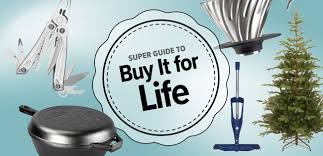
  • Buy It For Life Products

    Are you tired of things breaking? Do you wish you could buy something and not worry about replacing it soon? Many of us feel that way.

    We buy a toaster, and it quits in a year. A coat might fall apart after two winters. This happens a lot.

    It costs money and creates waste. We want products that are made well. We want things that last a long time.

    This is where the idea of “buy it for life” comes in. It’s about choosing smart. It’s about quality over quantity.

    Let’s dive into what makes a product truly last.

    “Buy it for life” products are items designed and built with exceptional durability. They use quality materials and solid construction to withstand long-term use, often lasting decades. Choosing these items means investing more upfront but saving money and reducing waste over time by avoiding frequent replacements.

    Understanding “Buy It For Life” (BIFL)

    What does “buy it for life” really mean? It’s more than just a catchy phrase. It’s a mindset about how we shop.

    It’s about picking things that are built to last. Think of items your grandparents used that are still working today. That’s the heart of BIFL.

    These products aren’t just tough. They often get better with age. They show character.

    They don’t become obsolete quickly. They stay useful.

    The core idea is simple. You pay a bit more at first. But you don’t have to buy that same item again for a very, very long time.

    Maybe even ever. This saves you money. It also helps the planet.

    We make less trash this way. It’s a win-win. We look for good materials.

    We look for strong building methods. We look for brands that stand behind their work.

    Consider the opposite. Fast fashion clothes. Cheap electronics that feel flimsy.

    These things break or go out of style fast. They fill landfills. They drain our wallets little by little.

    BIFL is the antidote to this constant cycle of buying and replacing. It’s about making thoughtful choices. It’s about finding treasures that become part of your life.

    The Why Behind BIFL Products

    Why do people seek out these special items? There are many good reasons. One big reason is saving money.

    Yes, they cost more at the start. But think about it. If a cheap pair of shoes costs $50 and lasts one year, you spend $500 over ten years.

    A good pair of boots that costs $200 might last ten years or more. That’s much cheaper in the long run. It’s simple math.

    Beyond money, it’s about less stress. No one likes dealing with a broken item. Especially if it’s something you need every day.

    Think about a reliable watch. Or a sturdy backpack. Or a good pair of kitchen knives.

    Knowing these things won’t fail you is a huge relief. It simplifies your life. It lets you focus on other things.

    There’s also an environmental benefit. When we buy fewer things, we use fewer resources. We create less waste.

    This is important for our planet. Many BIFL brands also care about how they make their products. They might use sustainable materials.

    They might have fair labor practices. This adds to the overall value of the purchase. It feels good to buy something made with care and integrity.

    Finally, there’s a personal satisfaction. Owning something well-made feels good. It has a certain weight and quality.

    It shows you value quality. It’s like owning a classic car. It’s a piece of art.

    It’s a tool. It’s a companion. These items become part of your story.

    They carry memories. They tell a tale of good choices.

    What Makes a Product “Buy It For Life”?

    Several factors come together to make a product truly last. It’s not just one thing. It’s a combination.

    Understanding these points helps you spot good quality. It helps you make smart buying decisions. You can start to see the difference between cheap and durable.

    Key Qualities of BIFL Products

    Superior Materials: Look for things like solid wood, full-grain leather, stainless steel, brass, or high-quality fabrics. These don’t break down easily.

    Robust Construction: How is it put together? Are seams stitched strongly? Are parts riveted or screwed firmly?

    Is there excessive plastic that can crack?

    Timeless Design: BIFL items rarely follow fleeting trends. They have classic looks that stay stylish for years. Think simple, functional forms.

    Repairability: Can it be fixed? Are parts available? Brands that offer repair services show they believe in their product’s longevity.

    Brand Reputation: Does the company have a long history of making quality goods? Do they offer good warranties? This shows they stand behind their products.

    The materials are the first clue. Cheap products often use particle board or thin plastic. They might use low-grade metal that rusts.

    Buy it for life items use the best they can get. Think about a wooden cutting board. A cheap one might warp.

    A good one made of hardwood will last forever. It can even be sanded down if it gets scratched.

    Construction is just as vital. A jacket with flimsy stitching will unravel. A bag with weak zippers will break.

    Look for strong seams. See if things are reinforced where they get a lot of stress. A good brand will show you how they build things.

    They might even explain the techniques they use.

    Design matters too. A phone case with a wild, trendy pattern might look dated in a year. A simple, elegant phone case in a neutral color will look good for much longer.

    Classic designs don’t scream “this year.” They blend in and stay useful. This also applies to functionality. Does it do its job well, without unnecessary complications?

    And then there’s repairability. Many modern companies make products that are hard or impossible to fix. Batteries are sealed in.

    Parts are proprietary. BIFL brands often make their items easy to repair. They might sell replacement parts.

    Some even offer repair services. This is a sign of true commitment to durability. They want you to fix it, not replace it.

    Real-Life Examples of BIFL Items

    Let’s look at some specific types of products where “buy it for life” is a common goal. This can help you see what to look for in your own life. It shows that this isn’t just a theory.

    It’s something people actively seek out and find.

    Common BIFL Categories

    • Tools: Hand tools like hammers, wrenches, and screwdrivers from brands like Stanley or Craftsman.
    • Kitchenware: Cast iron pans, high-quality knives, durable blenders, and robust cookware.
    • Bags and Luggage: Backpacks, briefcases, and travel suitcases made from tough canvas or leather.
    • Clothing: Wool coats, durable denim jeans, leather boots, and classic outerwear.
    • Home Goods: Cast iron stoves, sturdy furniture, and high-quality bedding.

    Take kitchen knives. A cheap knife set from a big box store might cost $100. The blades dull quickly.

    The handles might break. You might need to

    Consider backpacks. A flimsy, fashion backpack might have thin straps and zippers that fail. It might cost $30.

    But it might not survive a year of regular use. A well-made backpack from brands like Osprey or Filson might cost $150-$300. It will have strong zippers, reinforced stitching, comfortable padding, and durable fabric.

    It can handle heavy loads and years of travel or commuting. Some even come with lifetime warranties.

    Even wallets can be BIFL items. A cheap synthetic wallet might peel and tear within a year or two. A wallet made from thick, full-grain leather, stitched with strong thread, can last 10, 20, or even 30 years.

    It develops a beautiful patina over time. It holds its shape. It protects your cards and cash reliably.

    I remember buying my first decent pair of hiking boots. I’d always gone for the cheapest ones. They’d be uncomfortable and wear out fast.

    I finally splurged on a pair known for their durability. They cost nearly $200. At first, I felt a pang of regret.

    But after hundreds of miles on trails, through rain and mud, they were still going strong. They molded to my feet. They never leaked.

    They felt solid. That was a powerful lesson in value.

    Where to Find BIFL Products: Brands and Materials

    Finding these long-lasting items involves knowing where to look. It’s about understanding the brands that prioritize quality. It’s also about knowing the materials that stand the test of time.

    This knowledge empowers you to make better choices when you shop.

    Trusted Materials for Durability

    • Full-Grain Leather: The best type of leather. It’s strong, develops a nice look, and lasts ages.
    • Stainless Steel: Resists rust and corrosion. Great for cookware, tools, and outdoor gear.
    • Brass: Durable and corrosion-resistant. Often used for hardware and tools.
    • Solid Wood: Hardwoods like oak, maple, walnut, and cherry are very strong and long-lasting for furniture and tools.
    • Heavy-Duty Canvas: Thick, tightly woven canvas is tough for bags, tents, and workwear.
    • High-Quality Wool: Natural, durable, and insulating. Great for clothing like coats and sweaters.

    When it comes to brands, some have built their entire reputation on durability. In the kitchen, brands like Vitamix for blenders or All-Clad for cookware are often cited. Their products are expensive but built to last decades.

    For tools, DeWalt or Milwaukee (for power tools) and Stanley or Klein Tools (for hand tools) have long histories of quality.

    In clothing, brands like Filson are famous for their rugged outdoor wear. Their bags and jackets are practically indestructible. For boots, Red Wing Shoes or Danner offer handcrafted boots known for their longevity and repairability.

    Even in something as common as socks, brands like Darn Tough offer lifetime guarantees because they are so confident in their product’s durability.

    It’s also worth looking at brands that specialize in a single product type. Companies that focus on making just one thing often do it exceptionally well. For example, a company that only makes canvas bags is likely to have perfected their craft over many years.

    They understand the fabric, the stitching, the zippers, and the stress points.

    When I was researching durable luggage, I found that brands focusing on very tough, industrial-style bags often had the best reviews for longevity. They weren’t always the prettiest. But they were built for a purpose: to withstand extreme conditions.

    This taught me that sometimes, function truly dictates form when it comes to BIFL.

    The True Cost of Cheap vs. BIFL

    It’s easy to look at the price tag and shy away from BIFL products. A $300 jacket seems like a lot compared to a $50 one. But when you break down the “true cost,” the picture changes dramatically.

    This is where the long-term value becomes clear.

    Cost Comparison Example: A Simple Coffee Mug

    Cheap Mug:

    • Initial Cost: $5
    • Lifespan: 1 year (breaks or chips)
    • Cost over 10 years: $50 (10 mugs)
    • Environmental Impact: High (9 mugs become waste)

    BIFL Mug:

    • Initial Cost: $30
    • Lifespan: 10+ years (or lifetime)
    • Cost over 10 years: $30 (1 mug)
    • Environmental Impact: Low (minimal waste)

    Think about a kitchen appliance, like a mixer. A cheap plastic mixer might cost $75. It might last 2–3 years before the motor burns out or the plastic parts crack.

    Over 10 years, you might buy 3 or 4 of these. That’s $225-$300. A high-quality stand mixer, like a KitchenAid, might cost $300-$500.

    It’s made with metal gears and a strong motor. Many people report theirs lasting 20, 30, or even 50 years. That initial $500 investment over 20 years is only $25 per year.

    Plus, you’re not constantly dealing with

    The cost isn’t just monetary. There’s the mental energy spent researching replacements, shopping, and disposing of old items. There’s the frustration of a tool failing you when you need it most.

    There’s the environmental burden of constant production and waste. When you factor all these in, cheap items are often much more expensive in the long run.

    I used to be a serial gadget buyer. Always looking for the next slightly better, cheaper model. My drawers were full of old, half-broken devices.

    It was a mess. I decided to invest in one really good laptop. It cost me $1500.

    For years, it served me perfectly. It ran smoothly, had great build quality, and I never felt the urge to upgrade. That one purchase saved me from buying two or three cheaper laptops that would have cost me more and performed worse over the same period.

    It was a hard lesson, but a valuable one.

    BIFL vs. Fast Consumption

    The rise of “fast consumption” has made us accustomed to cheap, disposable goods. Fast fashion is a prime example. Clothes are made cheaply to be trendy for a season, then discarded.

    This model works because the initial cost is low. But it has significant downsides for consumers and the planet.

    Fast Consumption Downsides

    Economic Drain: Frequent purchases add up, costing more over time.

    Environmental Waste: Massive amounts of landfill from discarded items.

    Lower Quality Experience: Products often underperform or break easily.

    Constant Upgrades: Feeling pressure to always have the newest thing.

    BIFL is the direct opposite of this. It encourages conscious consumption. It asks you to think about the long-term value of a purchase.

    Instead of buying five cheap shirts that last a year, you might buy one high-quality shirt that lasts five years. It requires a shift in mindset. You need to resist the urge for instant gratification and think about future you.

    This shift can be challenging. Advertisers are constantly pushing new products. Social media showcases the latest trends.

    It takes discipline to say “no” to impulse buys and “yes” to thoughtful investments. But the rewards—financial, environmental, and personal—are well worth the effort.

    What stood out to me was how many BIFL items develop character. A leather bag gets scratched, but those scratches tell a story. A cast iron pan gets seasoned with years of cooking.

    These aren’t flaws; they’re signs of a life well-lived. Fast consumption items are designed to look new for as long as possible, then be thrown away. There’s no room for history or growth.

    When “Buy It For Life” Might Not Be The Best Choice

    While the BIFL philosophy is excellent for many things, it’s not a one-size-fits-all solution. There are times when buying the most durable item isn’t the most practical or sensible choice. Understanding these exceptions helps you apply the BIFL mindset wisely.

    Situations Where BIFL Might Be Overkill

    • Rapid Technological Advancements: For items that become obsolete quickly (e.g., early smartphones, certain computer components).
    • Highly Specialized or Infrequently Used Items: If you only need something once or twice a year, extreme durability might not justify the cost.
    • Items Where Weight or Portability is Critical: Ultra-durable materials can be heavy.
    • Budget Constraints: Sometimes, a moderately priced item that lasts a few years is all your budget allows.

    Technology is a prime example. A phone from 5 years ago, even if it was top-of-the-line and built well, might struggle to run current apps. The software updates stop.

    The processor becomes too slow. In these cases, it makes more sense to buy a good quality phone that will last you 2–3 years, then upgrade. You’re not aiming for “forever,” but for excellent performance within a reasonable upgrade cycle.

    Consider highly specialized tools. If you need a specific tool for a DIY project that you’ll likely never do again, buying the absolute most durable, professional-grade version might be overkill. A decent quality tool that costs less might be perfectly adequate for that single task.

    The goal is to match the product’s lifespan and quality to your actual needs.

    Also, think about things that change frequently. If you’re decorating a child’s room, for example, you might not want furniture that’s meant to last 50 years. Kids grow fast, and their tastes change.

    Opting for good, but not necessarily BIFL, furniture allows for easier updates as they get older.

    I learned this with camping gear. I bought a super-heavy-duty tent that could withstand hurricane-force winds. It was incredibly well-made.

    But it weighed a ton. Carrying it on a long hike was exhausting. I realized that for my typical weekend camping trips, a lighter, still durable but less extreme tent was a much better choice.

    It was a compromise between maximum durability and practicality for my specific use.

    How to Maintain Your BIFL Products

    Even the best products need a little care. “Buy it for life” doesn’t mean “buy it and forget it.” Proper maintenance is key to ensuring your durable items truly last. It’s usually simple, but it makes a big difference.

    General Maintenance Tips

    Clean Regularly: Wipe down surfaces, wash fabrics, and clean tools after each use.

    Proper Storage: Store items in dry, safe places away from extreme temperatures or moisture.

    Follow Manufacturer’s Instructions: Always check for specific care guidelines.

    Address Issues Promptly: Fix small problems before they become big ones.

    For leather goods, this might mean conditioning the leather a couple of times a year. For cast iron, it means seasoning it properly. For tools, it means keeping them clean and oiled.

    For clothing, it means washing them according to the fabric type and avoiding harsh chemicals. A little effort goes a long way in preserving the item.

    I have a wool coat that’s over 15 years old. It looks almost new. The secret?

    I don’t wash it often. When it needs cleaning, I take it to a specialist or use a wool-specific cleaner. I store it properly in a breathable garment bag.

    I brush off any dirt or lint regularly. This simple care routine ensures it stays in great shape year after year.

    Think of it like this: you invest in a quality item. Giving it a bit of attention is a small price to pay for its longevity and continued good performance. It’s an act of respect for the craftsmanship and materials that went into it.

    What This Means for Your Home and Wallet

    Embracing the “buy it for life” philosophy can transform your home and your finances. It’s not just about owning fewer things. It’s about owning better things.

    This creates a more peaceful, less cluttered, and more economical lifestyle.

    In your home, it means fewer broken items cluttering up drawers or closets. It means less stress when something is needed. Imagine a kitchen where your knives are always sharp, your pans are always reliable, and your appliances never fail.

    That’s a calmer, more functional space.

    Financially, it’s a gradual shift. You might spend more in a given month when you buy a high-quality item. But over the years, your total spending on replacements drops significantly.

    You also save money on repairs that might be needed for cheaper items. This frees up your budget for other goals, like travel, savings, or experiences.

    It also encourages a deeper appreciation for what you own. When you invest in a quality piece, you tend to take better care of it. You notice its details.

    You enjoy its function. This creates a more mindful relationship with your possessions. It moves away from mindless consumption and towards intentional living.

    Finding the “Sweet Spot” in Quality

    The goal isn’t necessarily to buy the most expensive item. It’s to find the “sweet spot” where quality, durability, and price meet your needs. Not every purchase needs to be a lifetime investment.

    But for the things you use often or rely on, it’s worth seeking out the best you can afford.

    Start by identifying items in your life that you replace frequently. These are prime candidates for a BIFL upgrade. Think about your tools, your everyday wear, your kitchen essentials, and your bags.

    Which ones cause you the most frustration when they break?

    Do some research. Read reviews from people who have owned the product for years. Look for brands with good reputations and strong warranties.

    Don’t be afraid to ask questions. Many BIFL brands are proud of their products and happy to share details about their construction and materials.

    It’s a journey. You don’t have to overhaul your entire life overnight. Start with one or two key items.

    See how it feels. The satisfaction of owning something that’s built to last is a powerful motivator. It can change how you view all your future purchases.

    Common Questions About Buy It For Life Products

    What is the primary benefit of buying “buy it for life” products?

    The main benefit is long-term cost savings. While the initial price is higher, these products avoid the repeated expense of replacing items that break or wear out quickly, ultimately saving you money over time.

    Are “buy it for life” products always expensive?

    They are often more expensive upfront than their cheaper counterparts. However, when you consider their extended lifespan and the avoidance of multiple replacements, their overall cost of ownership can be much lower.

    How can I tell if a product is truly “buy it for life” quality?

    Look for high-quality materials (like full-grain leather, solid wood, stainless steel), robust construction, timeless design, good warranties, and a brand reputation for durability. Researching reviews from long-term owners is also helpful.

    Are there any downsides to buying “buy it for life” items?

    Yes, the main downsides are the higher initial cost and the fact that they may not be suitable for items that change rapidly with technology or trends. Also, some BIFL items can be heavy due to their durable materials.

    What are some common categories of “buy it for life” products?

    Common categories include durable hand tools, high-quality kitchen knives and cookware, sturdy leather boots and bags, classic wool coats, and well-built furniture. These are items typically used frequently and subject to wear and tear.

    How do I maintain my “buy it for life” products?

    Proper maintenance is crucial. This usually involves regular cleaning, correct storage, following manufacturer care instructions, and addressing any small issues promptly. This care ensures the product retains its quality and longevity.

    Is “buy it for life” a sustainable choice?

    Yes, it is generally considered a very sustainable choice. By buying products that last for decades, you significantly reduce waste and the need for constant manufacturing, which consumes natural resources and energy.

    Conclusion

    Choosing “buy it for life” products is a smart strategy. It saves you money, reduces stress, and helps the planet. It’s about investing in quality.

    It’s about owning things that serve you well for years. By understanding what makes a product durable and where to find them, you can make more conscious and rewarding purchases. Start small, choose wisely, and enjoy the peace of mind that comes with owning items built to last.

  • Quality Vs Cheap Products

    It’s a question many of us face daily. Should I grab the cheaper option, or spend a little more for something that seems better? This choice pops up everywhere.

    From the groceries we buy to the tools we use, and even the clothes we wear. It’s easy to get caught up in the moment and go for the lowest price. But sometimes, that decision comes back to bite us.

    We end up spending more over time, or dealing with frustration. Let’s dive into what really makes a difference between a quality product and a cheap one. We’ll explore why this matters for your wallet and your peace of mind.

    Choosing between quality and cheap products involves looking beyond the initial price tag. Quality items often last longer, perform better, and provide greater value over time, even if their upfront cost is higher. Cheap products might save money initially but can lead to frequent replacements, lower performance, and potential hidden costs.

    Understanding Quality vs. Cheap Products

    What exactly makes something “quality”? It’s not just a fancy word. Quality means a product is made well.

    It uses good materials. It’s built to last. It also works exactly as it should, every time.

    Think about a sturdy wooden chair versus a plastic one that wobbles. The wooden chair feels solid. It’s made from strong wood.

    It’s designed to hold weight for many years. That’s quality.

    Cheap products, on the other hand, often cut corners. They might use less durable materials. The way they are put together might not be as careful.

    They can look okay at first. But when you use them, you might notice they don’t work as well. They might break easily.

    Or they might not do the job you bought them for. A wobbly plastic chair might feel fine for a moment. But it might crack after a few months.

    Or the legs might just give way.

    It’s not always black and white, of course. Some cheap things are just fine for what they are. A disposable paper plate is meant to be cheap and thrown away.

    You don’t need it to last for years. But for things you use often, or things that need to be reliable, quality really matters.

    My Own “Cheap Mistake” Moment

    I remember this one time I was trying to save money on a new kitchen gadget. It was one of those fancy blenders that could do almost anything. I found one online for a really low price.

    It looked almost identical to a much more expensive brand. I thought, “Why pay more when this one does the same thing for half the cost?” So, I bought the cheaper one. It arrived, and it looked pretty good.

    I was excited to try it out.

    The first smoothie I made was okay. But the motor sounded a bit strained. Then I tried to crush ice.

    That’s when things went south. The motor whined loudly. The plastic blades bent slightly.

    It took forever to get the ice crushed, and the smoothie was chunky. I tried a few more times over the next week. Each time, it felt like I was pushing it too hard.

    Then, one morning, it just stopped working. Smoke even came out of the motor. I was so annoyed!

    I ended up having to buy the more expensive blender anyway. This time, it worked perfectly. It crushed ice easily.

    It made smooth drinks every time. That cheap blender ended up costing me double in the end. Plus, the frustration was definitely not worth the initial saving.

    The True Cost of Cheap: Beyond the Sticker Price

    Initial Savings: Looks good on paper. You pay less upfront.

    Hidden Costs: This is where the real expense sneaks in.

    • Frequent Repairs: Cheaper items break more often. This means buying parts or paying for fixes.
    • Short Lifespan: They don’t last long. You have to replace them sooner.
    • Lower Performance: They don’t work as well. This can make tasks harder or take longer.
    • Wasted Energy/Resources: Less efficient items might use more electricity or water.
    • Health & Safety Risks: Some cheap products aren’t made safely. This can be dangerous.
    • Environmental Impact: More frequent replacements mean more waste in landfills.

    Overall Value: When you add it all up, quality often wins. It’s an investment.

    Materials Matter: The Foundation of Quality

    Let’s talk about what things are made of. This is a huge part of why some products are good and others are not. Quality items use good materials.

    These materials are chosen because they are strong, durable, and safe. For example, a good kitchen knife might be made from high-carbon stainless steel. This steel holds an edge well.

    It resists rust. It feels balanced in your hand. A cheap knife might be made from softer metal.

    It will get dull quickly. It might rust easily. It might feel flimsy.

    In clothing, quality often means natural fibers like cotton, wool, or linen. Or it could be high-quality synthetic blends. These fabrics feel better.

    They breathe well. They wear better over time. Cheap clothing might use thin polyester or acrylic.

    These can feel scratchy. They might pill (get little balls of fluff) quickly. They don’t last as many washes.

    Even in things like furniture, the wood matters. Solid wood is usually a sign of quality. Plywood or particleboard might be used in cheaper items.

    While some engineered woods are good, particleboard is often weak. It can sag. It can also be damaged by moisture easily.

    A solid oak table will last for generations. A particleboard table might fall apart after a few moves.

    When you’re looking at a product, try to find out what it’s made from. Check the labels. Read descriptions online.

    If it just says “plastic” or “metal” without more detail, that can be a warning sign. Good companies are usually proud of the materials they use. They will tell you about them.

    Craftsmanship and Design: How It’s Put Together

    Beyond the materials, how a product is made is also key. This is about craftsmanship. It’s about the details in the design.

    Quality items are often put together with care. The seams are neat. The joints are strong.

    Everything fits perfectly. The design is thought out. It’s not just about looking good.

    It’s about being easy to use and perform well.

    Think about a well-made pair of shoes. The stitching is even. The sole is attached securely.

    The leather is supple and well-finished. They feel comfortable from the start. They are built to withstand daily wear and tear.

    Cheap shoes might have uneven stitching. The glue might be visible. The materials might feel stiff and cheap.

    They might feel okay for a short walk. But after a few weeks, they might start to hurt your feet or fall apart.

    Consider electronics. A quality phone or laptop has a solid feel. The buttons press with a satisfying click.

    The screen is bright and clear. Everything runs smoothly. A cheap electronic device might feel plasticky.

    The buttons might feel loose. The screen might be dull. The software might be slow or glitchy.

    This is because the internal components and the way they are assembled are also different.

    Good design also plays a role. It’s about how the product functions. Is it intuitive to use?

    Does it solve the problem it’s meant to solve efficiently? A well-designed hammer feels balanced. It transfers force well.

    A poorly designed hammer might be too heavy or too light. It might feel awkward in your hand. This careful attention to how things are made and how they work is a hallmark of quality.

    Quick Scan: Quality Indicators to Look For

    Brand Reputation: Established brands known for quality often deliver.

    Material Details: Look for specific materials (e.g., solid wood, stainless steel, natural fibers).

    Warranty: Longer warranties often signal confidence in product durability.

    Reviews: Real user feedback can reveal long-term performance and potential issues.

    Feel and Finish: Does it feel solid and well-made? Are the finishes smooth and even?

    Price Point: While not always true, extremely low prices can be a red flag for quality.

    Performance and Reliability: Does It Do the Job?

    This is perhaps the most important aspect for many people. Does the product actually perform as promised? Does it do its job well, and can you count on it?

    Quality products are reliable. They work consistently. You don’t have to worry about them failing you when you need them most.

    A reliable car will start every morning. It will get you to work safely. A cheap, unreliable car might break down at inconvenient times.

    It might cost you a lot in repairs.

    Think about tools. A good drill will power through tough materials. It will have enough torque.

    It won’t overheat quickly. A cheap drill might struggle. It might stall.

    The battery might die very fast. You’ll spend more time fighting with the tool than getting the job done.

    In software or digital services, quality means it’s stable. It’s fast. It’s secure.

    It’s easy to navigate. Cheap alternatives might be buggy. They might crash often.

    They might have security holes. They might have a confusing interface.

    Reliability isn’t just about not breaking. It’s also about consistent performance. A good coffee maker will brew coffee at the right temperature every time.

    A cheap one might produce lukewarm coffee or burn it. This consistent performance is a key indicator of quality engineering and manufacturing.

    Longevity and Durability: Built to Last

    One of the biggest differences is how long things last. Quality products are designed for longevity. They are built with materials and construction methods that resist wear and tear.

    This means you can use them for years, even decades. Think about classic furniture pieces or well-made tools that get passed down through families. These are examples of true durability.

    Cheap products are often designed with a shorter lifespan in mind. They might use materials that degrade faster. Or they might have components that are not meant for heavy use.

    This means you’ll likely need to replace them much sooner. That frequent replacement adds up. It can easily cost more than buying a quality item once.

    Consider a simple umbrella. A cheap one might flip inside out in the first strong gust of wind. The fabric might tear.

    The handle might break. You’ll need to buy a new one. A high-quality umbrella will have a strong frame.

    It will have durable fabric. It will be designed to withstand wind. It can last for many stormy seasons.

    This longevity is also good for the environment. When products last longer, we throw away less. We consume fewer resources to make new ones.

    So, choosing quality can be a more sustainable choice too.

    Myth vs. Reality: Common Misconceptions

    Myth: All expensive products are high quality.
    Reality: Sometimes, you pay for brand name or marketing, not true quality. Always check the details.

    Myth: Cheap products are always a good deal.
    Reality: Only if the product is designed for short-term use or a very specific, light task. Otherwise, they often cost more over time.

    Myth: Quality means complicated features.
    Reality: Quality is about good design, materials, and construction. A simple item made well is high quality.

    Myth: You can always tell quality just by looking.
    Reality: Sometimes, but often you need to check materials, read reviews, and understand how it’s made.

    The Hidden Costs of “Saving Money”

    It’s easy to focus on the price tag. But when you buy cheap, you often face hidden costs. These costs are not always obvious at first.

    They can add up over time and make that “bargain” much more expensive.

    One big hidden cost is time. A cheap tool that works slowly or needs constant fixing steals your valuable time. Time spent dealing with broken items is time you could have spent doing something you enjoy or something productive.

    Then there’s the cost of frustration and stress. Constantly dealing with things that don’t work right is annoying. It can make everyday tasks much harder.

    This emotional cost is real, even if you can’t put a dollar amount on it.

    Consider the cost of potential damage. A cheap appliance that malfunctions could damage other items in your home. A faulty electrical cord could even be a fire hazard.

    These risks are a serious hidden cost that many people don’t consider.

    And as mentioned, the environmental cost is significant. Producing cheap goods often uses more resources and creates more pollution. When these goods are thrown away quickly, they add to landfill waste.

    When Is Cheap Actually Okay?

    So, does this mean we should never buy anything cheap? Not at all. There are definitely times when a cheaper option makes perfect sense.

    The key is to understand the product’s purpose and your needs.

    Disposable Items: Things like paper plates, napkins, or single-use plastic cutlery are meant to be cheap and thrown away. You don’t need them to be durable.

    Temporary Needs: If you only need something for a very short, specific task or event, a cheap version might be fine. For example, if you need a hammer just once to hang a single picture frame, a very basic one might suffice. If you’re going to a costume party and need a prop for one night, a cheap item is probably okay.

    Low-Risk, Low-Impact Items: Some cheap items are simply not critical. A cheap novelty keychain or a basic plastic pen might be perfectly acceptable if they are inexpensive and their failure won’t cause any real problems.

    Discovering a Hobby: If you’re trying out a new hobby and aren’t sure if you’ll stick with it, you might start with cheaper equipment. For instance, if you’re curious about painting, you might buy a beginner’s set of inexpensive brushes and paints before investing in professional-grade supplies. The goal here is to explore without a huge financial commitment.

    The trick is to match the product’s expected lifespan and performance to your actual need. If you only need it for a day, cheap might be smart. If you need it for years, quality is usually the better choice.

    Choosing Wisely: A Simple Guide

    Ask yourself:

    • How often will I use this?
    • How important is it that this works perfectly every time?
    • What happens if this breaks or fails?
    • What is the expected lifespan of this type of product?

    If the answer is:

    • Rarely, not important, no big deal, and short lifespan → Cheap might be okay.
    • Often, very important, big problem if it fails, and long lifespan → Quality is likely better.

    What This Means for Your Home and Habits

    Making smart choices about quality versus cheap products impacts your daily life. In your home, investing in quality appliances means fewer breakdowns and lower energy bills over time. Good furniture can last for years, saving you money and hassle.

    Quality tools make DIY projects easier and faster.

    In your wardrobe, well-made clothes might cost more upfront, but they look better, feel better, and last much longer than fast fashion items. This means you buy fewer clothes overall, saving money and reducing waste.

    Think about your habits. If you constantly replace cheap items, it becomes a habit of waste and expense. Shifting to a quality mindset means being more intentional about purchases.

    It’s about looking for value that lasts, rather than just a low price.

    It’s also about education. Learning to identify good materials and construction helps you make better choices. Reading reviews, understanding product specifications, and even feeling the weight and build of an item can tell you a lot.

    When to Be Concerned: Red Flags for Cheap Products

    There are certain signs that scream “avoid this cheap product!” If you see these, it’s a good idea to step back and reconsider.

    Unrealistic Price: If a price seems too good to be true for a product type, it usually is. For example, a brand-new, high-tech gadget selling for a fraction of its known market value is suspicious.

    Vague Descriptions: Product listings that are unclear about materials, specifications, or origin are a warning. Companies that are proud of their quality are usually transparent.

    No Warranty or Very Short Warranty: A lack of warranty, or one that’s ridiculously short (like 30 days), suggests the seller doesn’t expect the product to last.

    Poor Reviews: While one bad review can happen, a pattern of negative feedback about a product breaking quickly, not working well, or being poorly made is a major red flag.

    Safety Concerns: For anything involving electricity, heat, or something a child might use, look for safety certifications (like UL for electronics in the U.S.). If these are missing or the item feels flimsy or poorly constructed, it could be a safety risk.

    Bad Smell or Finish: Sometimes, cheap products have a strong chemical smell. The finish might be uneven, or there might be visible defects. These are often indicators of low-quality manufacturing processes.

    Quality Check: What to Look For

    Material Integrity: Are the materials listed clearly? Do they sound durable?

    Construction Details: Are seams neat? Are joints strong? Is it well-finished?

    Brand Reputation: Does the brand have a history of making good products?

    User Feedback: What do other people say about its performance and lifespan?

    Warranty Period: Does the warranty reflect confidence in the product’s durability?

    Intended Use: Does the product seem suited for the task you need it for?

    Building a Better Buy: Tips for Choosing Quality

    So, how can you get better at spotting and choosing quality items? It takes a little practice, but here are some tips:

    Do Your Research: Before you buy, especially for larger purchases, read reviews. Look for reputable sources. Check consumer reports or independent testing sites if available.

    Understand Your Needs: Be clear about what you need the product to do. Don’t overbuy features you won’t use, but make sure it can handle what you do need.

    Compare Brands: Look at different brands that offer similar products. See how their materials, features, and prices compare. Sometimes a lesser-known brand offers great quality at a better price.

    Feel It If You Can: If you’re shopping in a physical store, pick up the item. Feel its weight. Check its construction.

    Does it feel solid and well-made?

    Consider the “Cost Per Use”: For items you’ll use often, calculate the cost per use. A $200 tool that lasts 10 years and is used 100 times ($0.20 per use) is better than a $20 tool that breaks after 5 uses ($4 per use).

    Look for Guarantees: A good warranty or a strong return policy can be a sign of a company that stands behind its products.

    Invest in Key Items: For items you use daily or that are critical to your comfort or safety, investing in quality is almost always worth it. Think about your mattress, your primary set of cookware, or your main pair of walking shoes.

    Frequently Asked Questions

    Is it always bad to buy cheap products?

    No, not always. If a product is designed for temporary use, like disposable plates, or if you only need it for a single, very specific task, then buying cheap can be a sensible choice. The key is to match the product’s intended use and lifespan to your actual needs.

    How can I tell if a product is genuinely high quality?

    Look for clear descriptions of durable materials, good craftsmanship (neat seams, solid construction), a good warranty, and positive reviews from other users. Also, consider the brand’s reputation for quality. Sometimes, a product just feels solid and well-made when you handle it.

    What are some common examples of products where quality really matters?

    Key examples include essential appliances (refrigerator, washing machine), tools, shoes, mattresses, luggage, and cookware. These are items you rely on regularly or need to be durable for their function, so quality leads to better performance and longer life.

    Does a higher price always mean better quality?

    Not necessarily. Sometimes you pay more for brand name, marketing, or fancy features you don’t need. However, for many product categories, there is a correlation between price and quality because good materials and manufacturing cost more.

    It’s important to research and verify quality, not just assume it based on price alone.

    What is the “cost per use” calculation?

    Cost per use is a way to compare the long-term value of products. You take the total price of the item and divide it by the number of times you expect to use it. For example, a $100 jacket used 50 times costs $2 per use, while a $20 jacket used 5 times costs $4 per use.

    This helps show that a more expensive item can be cheaper over time.

    Are there any risks associated with buying very cheap products?

    Yes, there can be. Besides the product not working well or breaking quickly, cheap items can sometimes pose safety risks (e.g., electrical faults, toxic materials). They also contribute to more waste because they are replaced more often, which has environmental consequences.

    The hidden costs of repairs and replacements can also end up being higher than the initial savings.

    Final Thoughts

    Choosing between quality and cheap products is a balancing act. It’s about understanding what you’re buying and why. By looking beyond the initial price and considering materials, craftsmanship, performance, and longevity, you can make smarter choices.

    These choices save you money in the long run. They also reduce frustration and environmental impact. Focus on value that lasts, and you’ll often find it’s the more satisfying option.

  • Rent Vs Buy Decisions

    The choice between renting and buying a home depends on your personal situation, financial goals, and lifestyle preferences. Both options have distinct advantages and disadvantages. Understanding these can guide you toward the best decision for your unique circumstances.

    Renting: What It Means for You

    Renting a place means you pay money to a landlord. You get to live there for a set time. This is usually a year.

    You don’t own the property. The landlord handles most repairs. You have less responsibility for the upkeep of the home.

    This can offer a lot of freedom. You can often move more easily if your job changes.

    When you rent, your monthly payment is called rent. You might also pay a security deposit. This is like a down payment to cover damages.

    If you take good care of the place, you get it back. Your lease agreement states the rules. It covers rent due dates and how long you can stay.

    One big plus is that your monthly costs are usually more predictable. You know exactly how much rent you’ll pay. You don’t have to worry about a leaky roof suddenly costing you thousands.

    Your landlord usually covers those big, unexpected bills. This can be a big relief for many budgets.

    Buying: The Path to Ownership

    Buying a home means you own it. You are the homeowner. This is a big financial step.

    You usually need a loan from a bank. This loan is called a mortgage. You make payments on this mortgage over many years.

    Eventually, you own the home free and clear.

    When you buy, you pay a down payment first. This is a lump sum of money you pay upfront. The more you pay down, the less you owe on the mortgage.

    You also have to pay property taxes. These are paid to the local government. Homeowners insurance is also required.

    This protects you if something bad happens.

    Owning a home can build equity. Equity is the part of the home you own outright. As you pay down your mortgage, your equity grows.

    Homes can also increase in value over time. This can make you wealthier. You can also make changes to your home.

    You can paint the walls or remodel the kitchen.

    My Own Renting Story

    I remember my first apartment after college. It was a small, cozy place in a lively city. I loved not having to worry about a broken water heater.

    My landlord took care of that. I could save money for travel. I wasn’t tied down.

    It felt freeing to know I could move easily if a new job popped up. The rent was a set amount each month. This made budgeting simple.

    I had a friend who bought a house around the same time. He spent his weekends fixing things. A fence needed mending.

    The lawn needed mowing. He often talked about how much work it was. But he also loved that it was his.

    He could paint it any color. He could add a deck. It was a different kind of freedom, tied to building something long-term.

    For me, renting offered flexibility. I wanted to explore different cities. I wasn’t ready to commit to one place.

    The monthly costs were lower than mortgage payments would have been. This meant more money for experiences. It was a trade-off.

    Less equity building, but more immediate cash and less stress about repairs. That felt right for me then.

    Renting vs. Buying: Key Differences at a Glance

    Renting

    • Monthly Cost: Predictable rent payment.
    • Upfront Costs: Security deposit, first/last month’s rent.
    • Maintenance: Landlord handles most repairs.
    • Flexibility: Easier to move.
    • Equity: No equity building.

    Buying

    • Monthly Cost: Mortgage, property taxes, insurance, maintenance.
    • Upfront Costs: Down payment, closing costs.
    • Maintenance: Homeowner’s responsibility.
    • Flexibility: Harder to move.
    • Equity: Builds equity over time.

    The Financial Costs of Renting

    When you rent, your main housing expense is rent. This is usually a fixed amount each month. You might also have utility bills.

    These can include electricity, gas, and water. Sometimes, these are included in the rent. Always check your lease to know for sure.

    There’s also a security deposit. This is typically one month’s rent. You pay it when you sign the lease.

    It protects the landlord from damages. If you leave the place clean and undamaged, you get it back. Some places require a pet deposit or a parking fee.

    These add to your upfront costs.

    One benefit is that you don’t pay for major repairs. If the furnace breaks, it’s not your bill. If the roof leaks, your landlord fixes it.

    This makes your monthly budget much more stable. You aren’t surprised by huge repair costs. This peace of mind is valuable.

    Renting also means you don’t pay property taxes. These can be a significant expense for homeowners. You also don’t pay for homeowner’s insurance directly, though your landlord does.

    Your renter’s insurance is usually much cheaper. It covers your personal belongings, not the building itself.

    On the downside, your rent can go up each year. When your lease is up, the landlord can increase the rent. This means your housing costs can rise.

    You also don’t build any wealth from your monthly payments. The money you pay goes to the landlord. You don’t own a piece of the property.

    The Financial Costs of Buying

    Buying a home involves many more costs than renting. The biggest is the down payment. This can be anywhere from 3% to 20% or more of the home’s price.

    Closing costs are also a significant upfront expense. These include fees for appraisals, loan origination, title insurance, and more. They can add up to 2% to 5% of the loan amount.

    Then comes the mortgage payment. This includes the principal (paying back the loan) and interest. It also often includes property taxes and homeowner’s insurance.

    These are called PITI payments (Principal, Interest, Taxes, Insurance). They are paid into an escrow account. The lender then pays the taxes and insurance for you.

    As a homeowner, you are responsible for all repairs. This includes routine maintenance and unexpected emergencies. A new roof, a faulty HVAC system, or plumbing issues can cost thousands of dollars.

    It’s wise to have an emergency fund for these. Many experts suggest saving 1% to 3% of the home’s value each year for maintenance.

    Property taxes vary widely by location. They are based on your home’s assessed value. Homeowner’s insurance is also a must.

    It protects you against fire, theft, and other disasters. Premiums depend on your location, coverage, and deductible.

    While the costs are higher, buying has financial rewards. You build equity as you pay down your mortgage. Your home may also increase in value over time.

    This appreciation can be a significant part of your net worth. You can also take advantage of tax deductions. Mortgage interest and property taxes may be deductible.

    Comparing Upfront Costs: Renting vs. Buying

    Renting Upfront Costs

    • Security Deposit (1-2 months’ rent)
    • First/Last Month’s Rent
    • Application Fees
    • Pet Deposit (if applicable)

    Buying Upfront Costs

    • Down Payment (3-20%+)
    • Closing Costs (2-5% of loan)
    • Appraisal Fee
    • Inspection Fee
    • Loan Origination Fees
    • Title Insurance

    The Lifestyle Impact: Freedom vs. Stability

    Renting often means more lifestyle freedom. You can move for a new job or to be closer to family. If you like to change your surroundings often, renting is easier.

    Breaking a lease can be costly, but often less so than selling a home.

    Your living space might be smaller as a renter. You may also have fewer options for customization. Landlords often have rules about painting or making structural changes.

    You might share amenities like laundry rooms or outdoor spaces. This depends on the type of rental property.

    Buying a home offers a different kind of lifestyle. It provides stability. You can put down roots in a community.

    Your home is your sanctuary. You can decorate it how you like. You have more privacy.

    You are not subject to a landlord’s rules about guests or pets (within local laws).

    However, owning a home means less spontaneity. Moving becomes a major undertaking. You have to sell your home, which takes time and effort.

    You are also responsible for everything that happens at your property. This can include things like yard work, snow removal, and dealing with neighbors’ issues.

    The feeling of ownership is a powerful draw for many. It’s a tangible asset. It’s a place that is truly yours.

    This sense of permanence can be very comforting. For families, it can mean a stable environment for children to grow up in.

    The Equity Equation: Building Wealth

    One of the biggest advantages of buying is building equity. Equity is the value of your home that you truly own. It grows in two main ways.

    First, as you make mortgage payments, you pay down the loan’s principal. Each payment increases your ownership stake.

    Second, your home’s value might increase over time. This is called appreciation. Real estate is an investment.

    Historically, home values tend to rise. However, this is not guaranteed. Market conditions can cause values to fall too.

    Let’s say you buy a home for $300,000. You put down $60,000. Your mortgage is $240,000.

    After five years, you’ve paid off $20,000 in principal. Your home’s value has also gone up to $320,000. Your equity is now $80,000 ($320,000 value – $240,000 owed).

    When you rent, your monthly payments don’t build equity. The money you pay goes to your landlord. You don’t own any part of the property.

    While you might be saving money each month compared to a mortgage, you aren’t building a tangible asset.

    This equity can be a powerful financial tool. You can borrow against it using a home equity loan or line of credit. This money can be used for renovations, education, or other expenses.

    When you eventually sell your home, the equity is yours to keep after paying off the mortgage.

    Equity Growth Example

    Scenario: Buying a $300,000 home with a $60,000 down payment (20%).

    • Initial Mortgage: $240,000
    • Initial Equity: $60,000

    After 5 Years:

    • Principal Paid Down: $20,000
    • New Mortgage Balance: $220,000
    • Home Value Increased to: $320,000
    • Total Equity: $100,000 ($320,000 – $220,000)

    This shows how equity grows through payments and appreciation.

    Market Conditions and Timing

    The decision to rent or buy can also be influenced by the housing market. When home prices are high and rising, buying might seem risky. Renting could be a safer bet until prices cool down.

    Conversely, if prices are low and expected to rise, buying might be a smart investment.

    Interest rates on mortgages play a huge role. If rates are low, borrowing money is cheaper. This makes buying more affordable.

    You can get a larger loan for the same monthly payment. High interest rates make buying more expensive. This can push people towards renting.

    The rental market also has its own dynamics. In areas with high demand for rentals and limited supply, rents can be very high. This might make buying seem more attractive, even with high prices.

    It’s important to look at the local market where you want to live. National trends are helpful, but local conditions are what matter most. A real estate agent or a mortgage broker can offer insights into your specific area.

    They can help you understand the current buying and renting landscape.

    Some people wait for the “perfect” time to buy. They hope for low prices and low interest rates. But timing the market perfectly is very difficult.

    Often, it’s more about whether it’s the right time for you financially and personally.

    Tax Implications: What You Can Deduce

    For homeowners, there are significant tax advantages. The U.S. tax code allows deductions for homeowners.

    These can lower your taxable income. The most common deductions are for mortgage interest and property taxes.

    If you itemize your deductions, you can deduct the interest paid on your mortgage. This applies up to certain limits. For most people, this can save them a substantial amount of money on their taxes each year.

    Property taxes paid to state and local governments are also deductible, again, up to a limit.

    There are also potential deductions related to home improvements. If you make improvements that increase your home’s value or adapt it for specific needs (like medical modifications), these might be deductible. Capital gains from selling your primary residence are also often tax-exempt up to a certain amount ($250,000 for single filers, $500,000 for married couples filing jointly).

    Renters do not get these specific tax breaks. Your rent payments are considered an expense for living. They are not deductible from your income.

    This is a clear financial advantage for homeowners, assuming they itemize their deductions.

    It’s always a good idea to consult with a tax professional. Tax laws can change. Your personal tax situation is unique.

    They can help you understand exactly how homeownership or renting might affect your taxes.

    Tax Benefits: Homeowner vs. Renter

    Homeowner Tax Benefits

    • Mortgage Interest Deduction: Reduces taxable income.
    • Property Tax Deduction: Reduces taxable income.
    • Capital Gains Exclusion: Tax-free profit on sale (up to limits).
    • Home Office Deduction: If eligible.
    • Medical Expense Deductions: For home modifications.

    Renter Tax Benefits

    • No direct tax deductions for rent paid.
    • May benefit from state/local renter’s credits if available.
    • Focus is on current cash flow rather than long-term tax strategy.

    When is Renting the Smarter Choice?

    Renting makes a lot of sense for certain people. If you move frequently for work or personal reasons, renting offers flexibility. You don’t want to deal with selling a house every few years.

    This is especially true if you are early in your career and expect job changes.

    If you don’t have a stable income, renting is also safer. Homeownership comes with a lot of financial commitments. Unexpected repairs or job loss can be devastating for a homeowner.

    Renters have more predictable monthly housing costs. This can make budgeting easier when income is uncertain.

    For those who aren’t ready for the responsibilities of homeownership, renting is ideal. Some people simply don’t want to spend their weekends doing yard work or fixing things. They prefer to use that time for hobbies or relaxation.

    Renting outsources those duties.

    It’s also a good option if you don’t have enough saved for a down payment and closing costs. Buying a home requires significant upfront cash. If your savings are tied up elsewhere or you haven’t saved enough, renting allows you to live in a decent place while you save.

    Finally, if you are looking to keep your monthly expenses low, renting might be the way to go. While a mortgage payment might seem manageable, the added costs of taxes, insurance, and maintenance can push the total cost of homeownership much higher than rent for a comparable property.

    When is Buying the Smarter Choice?

    Buying often makes sense if you plan to stay in one area for at least five to seven years. This gives you time to build equity and potentially benefit from appreciation. It also allows you to recoup the high upfront costs of purchasing a home.

    If you have a stable income and a good credit score, buying can be more financially rewarding long-term. You build equity, which is a form of wealth. The tax benefits can also significantly reduce your annual tax burden.

    Owning a home can be a key part of a wealth-building strategy.

    For those who want to customize their living space, buying is the only option. You can renovate, paint, landscape, and truly make a house your own. This is a huge appeal for many.

    If you have saved up enough for a down payment and closing costs, and you have a comfortable emergency fund, buying becomes more feasible. Lenders look for financial stability. Having a down payment shows you’re serious and reduces the loan amount.

    Finally, some people simply desire the security and permanence that homeownership brings. The feeling of owning a piece of property can be deeply satisfying. It’s an investment in your future and your community.

    Quick Checks Before Deciding

    Consider Renting If:

    • You plan to move in less than 5 years.
    • Your income is unstable.
    • You dislike home maintenance.
    • You lack savings for a down payment.
    • You want maximum budget flexibility.

    Consider Buying If:

    • You plan to stay 5+ years.
    • You have a stable income and good credit.
    • You want to build equity and wealth.
    • You desire to customize your home.
    • You have savings for upfront costs and an emergency fund.

    Calculating Your Housing Affordability

    A common guideline is the 28/36 rule. It suggests your total housing costs (mortgage, taxes, insurance) should not exceed 28% of your gross monthly income. Also, your total debt (including housing) should not exceed 36% of your gross monthly income.

    For renters, the rule is simpler. Your rent plus utilities should ideally be no more than 30% of your gross monthly income. This ensures you have enough money left for savings, other bills, and fun.

    Use online mortgage calculators. They can estimate your monthly payment based on loan amount, interest rate, and loan term. Don’t forget to factor in property taxes and insurance.

    These can add hundreds of dollars per month.

    For renters, compare the total monthly cost of a rental unit. This includes rent, utilities, and any fees. Then, compare this to the estimated total monthly cost of owning a similar property in the same area.

    It’s also wise to consider your savings goals. If buying means you can’t save for retirement or other important goals, it might not be the right move yet. Balance housing costs with your overall financial health.

    The Role of Credit Score

    Your credit score is crucial if you plan to buy a home. Lenders use it to assess your risk. A higher credit score (generally 740+) means you’re likely to get approved for a mortgage.

    It also means you’ll likely get a lower interest rate. This can save you tens of thousands of dollars over the life of the loan.

    If your credit score is low, buying a home might be difficult. You might not qualify for a mortgage, or you might be offered a very high interest rate. This makes the monthly payments unaffordable.

    For renters, a good credit score is still important. Landlords often check credit as part of the application process. It shows them you are reliable and likely to pay rent on time.

    A bad credit history could make it hard to rent a desirable apartment.

    If you’re thinking of buying, take steps to improve your credit score well in advance. Pay bills on time. Reduce your credit card balances.

    Avoid opening too many new credit accounts.

    Making the Final Decision

    There’s no single “right” answer to rent vs. buy. It’s a personal decision.

    Take stock of your financial situation. How stable is your income? How much have you saved?

    What are your long-term plans?

    Consider your lifestyle. Do you crave stability or freedom? Do you enjoy DIY projects or prefer to avoid them?

    Think about your community. Do you want to put down roots or explore?

    Talk to financial advisors. They can help you crunch the numbers. They can also offer unbiased advice tailored to your situation.

    They can help you understand the long-term financial implications of each choice.

    Don’t rush the decision. It’s one of the biggest financial choices you’ll make. Gather information.

    Weigh the pros and cons carefully. Trust your gut feeling. What feels right for you and your family?

    Frequently Asked Questions about Renting vs. Buying

    Is it better to rent or buy a house?

    There’s no single “better” option. Renting offers flexibility and lower upfront costs but no equity. Buying builds equity and offers stability but requires significant financial commitment and responsibility for maintenance.

    Your personal financial situation, lifestyle, and future plans are key factors.

    How long should I rent before buying?

    Many financial experts suggest renting for at least 3-5 years before buying. This allows you time to save a larger down payment, improve your credit score, and understand your budget and housing needs better. However, if your financial situation is strong and you plan to stay put, buying sooner might be feasible.

    What are the biggest costs of homeownership besides the mortgage?

    Beyond the mortgage principal and interest, homeowners face property taxes, homeowner’s insurance, and maintenance. Home maintenance can include routine tasks like lawn care and unexpected repairs like a new roof or HVAC system. These ongoing costs are significant.

    Can I afford to buy a home if I’m still paying off student loans?

    Yes, it’s often possible. Lenders will consider your total debt-to-income ratio. Paying off student loans significantly helps your affordability.

    Improving your credit score and saving a larger down payment are also crucial steps to make homeownership more attainable with existing debt.

    What is “equity” and how do I build it?

    Equity is the portion of your home’s value that you actually own. You build equity by making mortgage payments that reduce the principal loan balance, and by the home’s value appreciating over time. The more equity you have, the more wealth you build in your home.

    When should I consider buying even if renting seems cheaper monthly?

    Consider buying if you plan to stay long-term (5-7+ years), want to build wealth through equity and appreciation, desire to customize your living space, and have the financial stability (down payment, emergency fund, good credit) to handle ownership costs and responsibilities.

    Conclusion: Your Next Step

    Choosing between renting and buying is a significant life decision. It’s not just about money. It’s about your lifestyle and your future.

    Weigh the pros and cons carefully. Understand your own financial picture and goals. Take your time to make a choice that feels right for you.

  • Worth It To Buy In Bulk

    This is a big question for many households. You see those large packages at the store. They promise savings. But are they really a good deal for you? It can feel overwhelming to figure out. Let’s break it down. We’ll look at how to tell if buying in bulk makes sense for your needs.

    Buying in bulk can offer significant savings and convenience, but it’s not always the best choice. Success depends on factors like your storage space, how quickly you use items, product shelf life, and the unit price comparison. Careful planning helps you avoid waste and maximize your budget.

    What Does “Buying in Bulk” Really Mean?

    Buying in bulk means purchasing items in larger quantities than usual. This often comes from warehouse clubs or large retail stores. You might see big boxes of cereal. Or giant packs of toilet paper. Sometimes it’s a huge bag of rice. The idea is that the more you buy, the less each single item costs. This is called the “unit price.”

    Stores offer these deals to sell more goods. They hope you’ll spend more overall. For consumers, it can be a great way to save money. It also means fewer trips to the store. Think about it: one big shop instead of many small ones. This saves time and gas.

    However, there’s a catch. If you don’t use the item before it goes bad, you lose money. Or if you just don’t have space to store it, it becomes a clutter problem. So, it’s not a simple yes or no answer.

    My Own Bulk Buying Blunder

    I remember one time I got really excited about paper towels. They were on sale at a warehouse club. It was a giant pack, like 30 rolls. I thought, “Wow, this will last forever! And it’s such a good price per roll!” I lugged that huge pack home.

    It took up half the space in my linen closet. Then, a few months later, we had a leaky pipe. My husband and I had to deal with a lot of water. We needed paper towels fast. But the ones I had bought were still mostly packed away. I had to run out and buy smaller packs anyway. And the big pack? It took ages to use up. Some rolls got a little dusty. It felt like a waste. That experience taught me a lot about planning.

    When Buying in Bulk Makes Perfect Sense

    There are definitely times when bulk buying is a winner. It’s like finding a secret shortcut to saving money and hassle.

    Smart Bulk Buys: What to Look For

    Non-Perishable Goods: Think canned foods, dried pasta, rice, flour, sugar. These last a very long time.

    Everyday Essentials: Items you use constantly. Toilet paper, paper towels, laundry detergent, dish soap, toothpaste. If you know you’ll use it, buy it big.

    Family Favorites: If your whole family loves a specific snack or cereal, a larger size might be great. But make sure it doesn’t lead to overeating.

    High-Quality Products on Deep Discount: Sometimes you find a fantastic deal on something you love and use often. If the discount is huge, it might be worth the extra storage.

    If you have a large family, you naturally use things faster. So, a bigger package might be perfect. For items that don’t spoil, like cleaning supplies or pet food (if your pet eats it quickly), bulk is often a good bet. Always check the unit price. This is the price per ounce, pound, or item. A bigger package isn’t always cheaper per unit.

    Storage Space: The Silent Killer of Bulk Deals

    This is where many people get tripped up. You buy that massive pack of paper towels or giant box of crackers. Then you realize you have nowhere to put it. Your pantry is full. Your closets are already packed. Suddenly, that “great deal” becomes a storage headache.

    Imagine buying a huge bag of dog food. But your dog is a picky eater. He only eats a little bit each day. That big bag will sit there for months. It might not stay fresh. Or consider buying a giant jug of olive oil. If you only cook one meal a week with olive oil, that jug could go rancid before you finish it.

    I learned this with coffee. I love coffee. I bought a giant bag. My kitchen counter is small. I had to keep it in a less convenient spot. It made my morning routine a bit more annoying. Even small inconveniences add up. Always measure your storage space before you buy big.

    Shelf Life: Does It Last Long Enough?

    This is super important, especially for food items. Some things last a long time. Canned goods can stay good for years. Dried beans and pasta are similar. But other things spoil.

    Milk, fresh produce, bread, and even some dairy products have a shorter shelf life. Buying a huge carton of milk when you only drink a little means some will likely go to waste. That’s money down the drain.

    Think about frozen foods too. They last a long time, but you need freezer space. If your freezer is already packed, a large frozen item might not be the best idea.

    Comparing Unit Prices: The Real Measure of Savings

    This is the golden rule of bulk buying. Never assume the biggest package is the cheapest. You must compare the unit price.

    Look at the price tag. It usually shows the price per unit. If it doesn’t, do the math yourself.

    Example:
    A small box of cereal costs $3. It has 10 ounces. The unit price is $0.30 per ounce.
    A large box of the same cereal costs $7. It has 30 ounces. The unit price is about $0.23 per ounce.

    In this case, the large box is cheaper per ounce. It’s a good deal.

    But what if the large box is $7.50? The unit price is $0.25 per ounce. It’s still cheaper than the small box, but the savings are less. You need to decide if that small difference is worth the extra storage and commitment.

    Quick Unit Price Check

    Item: Laundry Detergent

    Option A: 50 oz bottle for $6.00. Unit Price: $0.12/oz

    Option B: 100 oz bottle for $10.00. Unit Price: $0.10/oz

    Option C: 200 oz bottle for $22.00. Unit Price: $0.11/oz

    Insight: Option B is the best value per ounce. Option C looks big but is actually more expensive per ounce than Option B.

    Many apps and websites can help you compare prices. Some store apps show unit prices automatically. It pays to be a savvy shopper.

    What About Quality? Does It Last?

    Sometimes, buying in bulk might mean a slight difference in quality. This is less common with non-perishables. But with things like nuts or certain snacks, the quality can decrease over time if they are not stored properly.

    If you buy a huge bag of nuts, and you don’t seal it airtight, they can go stale faster. Even in a good container, if they sit for many months, they might lose their crispness.

    For items like meat, buying in bulk can be great if you plan to use it all. You can buy large packs, portion them out, and freeze them. This requires planning and freezer space. But it can save you money compared to buying smaller, pre-portioned packs regularly.

    The Environmental Impact of Bulk Buying

    This is a thoughtful aspect of bulk buying. Often, large packages have less packaging per item. For example, a large box of cereal uses less cardboard than several small boxes. This can be good for the environment.

    However, if you end up throwing away a lot of food because it went bad, that’s also an environmental cost. Wasted food is a big problem. So, smart bulk buying can be eco-friendly. Reckless bulk buying can be wasteful.

    Consider the packaging itself. Are you buying a product with excessive plastic? Even if it’s a large quantity, that plastic still needs to be disposed of. Some stores offer refill stations for certain items, which is an even better option if available.

    Personal Experience: The Frozen Food Fiasco

    I once bought a giant box of frozen chicken breasts. It was a fantastic price. I thought I was so smart. I planned to portion them and freeze them. I got them home, and my freezer was absolutely stuffed. I mean, I had to play Tetris to fit anything else in there.

    So, the giant box of chicken sat in my fridge for a couple of days while I tried to make space. Then I realized I didn’t have enough freezer-safe bags to portion them all. It was a whole project. By the time I got around to it, some of the chicken had started to look a little freezer-burned already. It wasn’t a disaster, but it was way more work and stress than I had anticipated. It made me realize that buying in bulk for things you need to freeze requires serious freezer space and prep work.

    Bulk Frozen Food Checklist

    Do you have enough freezer space? Really measure it.

    Do you have freezer-safe bags or containers? You’ll need many.

    Will you use it before it spoils or freezer burns? Plan your meals.

    Can you divide it into meal-sized portions easily?

    When Bulk Buying Becomes a Habit, Not a Strategy

    Sometimes, people get into the habit of buying everything in bulk. They go to the warehouse club and just fill their cart. They think they are always saving money. But this can lead to buying things you don’t really need.

    You might buy a massive jar of something just because it’s a good unit price. But if you only use a tablespoon of it a year, it’s not a good deal. It’s just taking up space.

    It’s important to have a list. Stick to it. Don’t get swayed by bulk deals on impulse items. Think about what your household actually uses.

    The Convenience Factor: Time Saved vs. Space Lost

    One of the biggest draws of buying in bulk is convenience. Fewer trips to the store mean more time for other things. Think about parents with young children. A big shop can be a lifesaver. Or for people who live far from stores, it’s essential.

    However, this convenience can be a double-edged sword. If you’re constantly digging through a cluttered pantry to find what you need, is it really convenient? Or if you have to go out and buy a smaller package because you can’t find what you need in your bulk stash, that defeats the purpose.

    I try to organize my bulk items. I use clear bins and label them. This helps me see what I have. It also makes it easier to grab what I need. It’s like a mini-warehouse in my own home. But it took effort to set up.

    What This Means for Your Household Budget

    If you do bulk buying right, it can significantly lower your grocery bills. This frees up money for other things. Or it can help you save more.

    However, if you waste a lot of food or buy things you don’t need, bulk buying can actually hurt your budget. You might end up spending more overall because of spoiled food or impulse purchases.

    A good rule of thumb is to track your spending. See where your money goes. If you notice you’re always running out of certain items, consider buying them in bulk. If you often throw away food, focus on buying smaller quantities.

    Budget-Friendly Bulk Items

    Canned Goods: Beans, tomatoes, soup. Great for quick meals.

    Dry Goods: Rice, pasta, oats, flour. Staples that last.

    Cleaning Supplies: Dish soap, laundry detergent, all-purpose cleaner. Use them all eventually.

    Personal Care: Toilet paper, toothpaste, shampoo. If you use it daily, buy it big.

    Pet Food: If your pet eats it consistently and you have storage.

    When to Absolutely Avoid Buying in Bulk

    There are situations where bulk buying is a clear no-go. You need to be honest with yourself about these.
    If you have a small household and don’t use items quickly. This is the most common reason to avoid bulk.
    If the item has a very short shelf life and you can’t use it all. Think fresh herbs, some dairy, or delicate produce.
    If you don’t have adequate storage space. Clutter is not a good look, and it makes life harder.
    If the unit price isn’t actually better. Do the math!
    If the item is something you’re trying to cut back on. Buying a giant quantity might tempt you to overconsume.
    If you’re unsure about the product. Try a smaller size first.

    It’s like buying a giant exercise machine you’ll never use. It seems like a good idea at the time, but it just becomes an expensive decoration.

    Quick Checks Before You Buy Big

    Before you swipe your card for that massive package, do a quick mental check.

    1. Do I need this much?
    2. Will I use it before it goes bad?
    3. Do I have a place to store it neatly?
    4. Is the unit price truly the best deal?
    5. Is this an impulse buy or a planned purchase?

    If you can answer “yes” to most of these, you’re probably making a smart choice. If you hesitate on any, it might be best to stick with a smaller size.

    My Little Experiment with Bulk Spices

    I love to cook. I used to buy small jars of spices. They’d sit in my spice rack forever. Some would lose their flavor. I’d end up throwing them out. It felt wasteful.

    So, I decided to try buying some common spices in larger pouches or bags from a specialty store. Things like cumin, paprika, and garlic powder. I got a really good unit price. I bought large, airtight containers to store them in.

    It worked out great! I’m using them much faster. They stay fresher because the larger bag is opened less often. Plus, refilling my containers is easy. It’s a win-win. This taught me that bulk isn’t just for household goods. It can work for pantry staples too, with the right approach.

    Navigating Warehouse Clubs: Tips for Success

    Warehouse clubs like Costco or Sam’s Club are built on bulk. If you shop there, you need a strategy.
    Go with a list. This is non-negotiable.
    Know your prices. Compare their bulk prices to regular grocery store prices for the same items. Sometimes, smaller stores have sales that beat bulk prices.
    Check expiration dates. Especially on groceries.
    Don’t get sucked into impulse buys. That giant chocolate bar might look good, but do you need it?
    Consider a membership. If you shop there often and save money, the membership fee is worth it.
    Shop with a friend. You can split larger items and share the cost and the quantity. This is a fantastic strategy for things like huge tubs of butter or large cuts of meat.

    The “Try Before You Buy Big” Rule

    This is a simple but powerful idea. If you’re curious about a new product or a large quantity of something you don’t usually buy, try a smaller size first. See if you like it. See how much you actually use.

    This is especially true for things like coffee pods, special sauces, or gourmet ingredients. You might think you’ll use them all the time, but reality can be different. Once you know you love it and use it regularly, then you can consider buying it in bulk.

    Final Thoughts on Bulk Buying

    Buying in bulk can be a smart way to save money and time. But it requires careful planning. You need to think about storage, shelf life, and actual usage. Don’t just buy big because it’s there. Be a smart shopper. Compare prices. Know your needs. When done right, bulk buying is your friend. It helps your budget and your busy life.

    Frequently Asked Questions About Bulk Buying

    Is it always cheaper to buy in bulk?

    No, not always. You must compare the unit price. Sometimes smaller packages are on sale for less per unit.

    Also, if you waste a lot of a bulk item, the overall cost can be higher.

    What are the best items to buy in bulk?

    Good candidates are non-perishable goods like canned foods, pasta, rice, and cleaning supplies. Also, everyday essentials like toilet paper and laundry detergent that you use constantly and have a long shelf life.

    How do I know if I have enough storage space?

    Measure your pantry, closets, and any other storage areas. Think about where the item will live. Imagine it there.

    If it causes clutter or makes it hard to access other things, you probably don’t have enough space.

    What happens if food in bulk goes bad before I can eat it?

    This is a loss of money. To prevent this, buy items with long shelf lives. For perishables, ensure you have a plan to use or freeze them quickly.

    Consider splitting large quantities with a friend or family member.

    Should I buy bulk if I live alone?

    Generally, it’s harder for individuals to justify bulk buying unless the item is non-perishable and used very slowly (like toilet paper). Sharing bulk purchases with friends or neighbors is a great strategy for singles.

    Are warehouse club memberships worth it for bulk buying?

    They can be if you shop there often and can genuinely save money. Calculate how much you spend annually at these clubs and compare it to what you’d spend elsewhere. If the savings exceed the membership fee, it’s likely worth it.

    How can I avoid impulse buys at bulk stores?

    The best way is to always go with a shopping list and stick to it. Avoid browsing aisles aimlessly. If you see something tempting, ask yourself if it’s on your list and if you truly need it in that quantity.

  • When To Buy Generic Vs Brand

    This happens with everything, from medicine to cleaning supplies to groceries. We want good quality. But we also want to keep our money for other things.

    It’s about getting smart with your shopping. You want to make sure you’re not wasting cash for no reason. Let’s figure this out together.

    Choosing between generic and brand-name items depends on the product type and your personal needs. For many everyday items like basic foods or cleaning supplies, generic options offer similar quality at a lower cost. However, for medications, specialized electronics, or items where precise performance is critical, brand-name products may offer greater reliability and safety assurances.

    What’s the Real Difference: Generic vs. Brand Name

    So, what is the big deal with generic versus brand-name items? Think of it this way: a brand name is like a famous artist. Everyone knows their name and what to expect.

    A generic item is more like a talented student artist. They might create something just as good, but fewer people know their name.

    Brands spend a lot of money on advertising. They want you to recognize their logo and trust their product. This advertising cost gets added into the price you pay.

    Generic items usually don’t advertise as much. They save that money and pass the savings onto you. That’s why they often cost less.

    When it comes to what’s inside the package, it can be very similar. For many things, the ingredients or materials are almost the same. For example, think about plain white rice.

    Many brands sell it, and the rice itself is just rice. Or consider a basic white t-shirt. The cotton is cotton, no matter the label.

    However, sometimes there are small differences. These can be in how the product is made, its specific formula, or extra features. These small things can make a difference in how well something works or how long it lasts.

    It’s not always about the main ingredient, but the whole package.

    My Own Grocery Store Dilemma

    I remember one time when I was really trying to save money on my groceries. I was in the cereal aisle, and I saw my favorite brand. It was pricey, as usual.

    Right next to it was a store brand cereal that looked almost identical. The colors on the box were similar. Even the shapes of the cereal pieces seemed the same.

    I stood there for a good five minutes. My mind raced. Would this generic cereal taste as good?

    Would it be as crunchy? Or would I end up throwing half of it away because my kids wouldn’t eat it? That little voice of doubt was loud.

    I almost grabbed the expensive brand just to be safe. But then I thought about my budget.

    I took a deep breath and decided to try the store brand. I figured, what’s the worst that could happen? If it was bad, I’d just buy the brand name next time.

    That evening, we poured out the generic cereal. It smelled the same. My son took a bite.

    He looked surprised, then smiled. “It’s good, Mom!” he said. Relief washed over me.

    It tasted almost exactly the same. I learned a valuable lesson that day. Sometimes, the difference is just the price tag.

    Understanding Product Categories

    Food Items: For basic staples like sugar, flour, pasta, canned goods, or plain dairy products, generic brands are often a safe bet. The core ingredients are usually identical. Differences might appear in added flavorings or textures for more complex items.

    Cleaning Supplies: Many generic cleaners use the same active cleaning agents as their brand-name counterparts. The packaging and scent might differ, but their effectiveness on common messes is frequently comparable. Always check the active ingredients list if you have specific needs.

    Medications: This is where it gets more complex. Over-the-counter generic drugs must be proven to have the same active ingredient, dosage, and strength as the brand name. However, inactive ingredients (like dyes or fillers) can vary, which can matter for those with allergies.

    Personal Care: For items like basic soaps, shampoos, or lotions, generic options can be excellent value. However, for specific skin concerns or advanced hair treatments, a well-researched brand might offer a more specialized formula.

    When Quality REALLY Matters: Brand Names Shine

    While generic options are great for many things, there are definitely times when sticking with a brand name makes more sense. These are often situations where safety, precise performance, or specific scientific formulas are super important. You don’t want to take chances when the stakes are high.

    The most critical area is medications. When you get a prescription, the doctor or pharmacist will often discuss brand versus generic options. For most drugs, generics are perfectly fine.

    The U.S. Food and Drug Administration (FDA) requires them to be bioequivalent. This means they work the same way in your body.

    But, as I mentioned, the inactive ingredients can differ. If you have a severe allergy to a specific dye or filler, you might need to stick with the brand.

    Also, for certain over-the-counter medications, like allergy relief or pain relievers, the active ingredient is key. But sometimes, a brand name might offer a unique delivery system or a combination of ingredients that a generic hasn’t perfectly matched yet. It’s worth checking with your doctor or pharmacist.

    Beyond medicine, think about things like electronics or specialized tools. A brand name in this space often means a history of quality control, better customer support, and proven reliability. If you’re buying a professional camera, a high-end kitchen appliance, or a safety item like a smoke detector, the brand’s reputation can be a significant factor.

    Sometimes, a brand name has invested years into research and development. They’ve created a unique formula or design that sets it apart. This is common in things like high-performance athletic gear, advanced skincare products, or specialized software.

    In these cases, the brand’s innovation and expertise are what you’re paying for.

    Observing the Store Brand Revolution

    It’s interesting to see how store brands have changed over the years. Back in the day, they were often seen as second-rate. The packaging was plain.

    The quality was questionable. People often avoided them unless they absolutely had to.

    But today? Many stores have put a lot of effort into their own brands. They’ve improved the quality.

    They’ve made the packaging more appealing. Some store brands are now competing directly with national brands on taste, performance, and features. I’ve noticed this especially with food items.

    Some store-brand ice cream is incredibly creamy. Their store-brand coffee can be just as rich as the premium brands.

    What’s driving this? Stores want to keep customers loyal. They know that offering good quality store brands can bring shoppers back.

    They also have more control over production. They can work directly with manufacturers to get exactly what they want. This focus on quality, combined with lower prices, makes store brands a really strong choice for many people.

    Quick Scan: Generic vs. Brand – Key Differences

    Feature Generic Product Brand-Name Product
    Price Generally lower Generally higher
    Advertising Costs Low to none High
    Active Ingredients (for Meds) Same as brand (FDA regulated) Original formulation
    Inactive Ingredients Can differ Specific to brand
    Research & Development Minimal R&D focus Significant R&D investment

    Navigating the Aisles: Practical Tips for Smart Shopping

    Okay, so we’ve talked about the differences. Now, how do you actually make the best choice when you’re in the store? It’s not always a simple yes or no.

    Here are some practical ways to approach it.

    First, know your product. For things like sugar, salt, or basic canned vegetables, the difference is usually minimal. Your generic vs brand decision here is mostly about price.

    Look at the unit price on the shelf tag to see which one truly costs less per ounce or pound.

    Second, read the labels. This is super important. For food, check the ingredient list.

    Are they the same? Are there any added sugars or preservatives in one and not the other? For medications, look at the active ingredient and the dosage.

    If you have allergies, meticulously check the inactive ingredients list on both.

    Third, consider the source. Are you buying a store brand from a reputable supermarket? Or a lesser-known generic from a discount store?

    The reputation of the seller can sometimes be an indicator of quality control. Consumer Reports and other review sites can also offer insights into which generics perform well.

    Fourth, test and compare. The best way to know for sure is to try both. Buy a smaller size of the generic item.

    If it meets your needs, great! You’ve found a way to save money. If it doesn’t, you haven’t wasted too much.

    Then you can switch back to the brand name or try a different generic option.

    Finally, trust your gut, but back it with facts. If a deal seems too good to be true, it might be. But don’t automatically assume the higher price means better quality.

    Do a little research, read labels, and make an informed decision. It’s about finding that sweet spot where you get good value without sacrificing what’s important to you.

    Personal Experience: Unpacking the Generic Decision

    Scenario: Buying basic cleaning supplies like all-purpose cleaner.

    Observation: Most generic all-purpose cleaners list the same active ingredients (like quaternary ammonium compounds) as major brands. The scents might differ, and the bottle design is less flashy.

    My Take: For general surface cleaning, the generic versions work just as well. I save a few dollars per bottle, and the cleaning power is comparable. I only opt for a specific brand if it offers a unique feature, like a mold-resistant formula, which is less common in generics.

    Scenario: Purchasing children’s pain reliever (acetaminophen or ibuprofen).

    Observation: Generic versions are required to have the same active ingredient, concentration, and dosage. However, the flavorings and dyes can vary significantly.

    My Take: My young daughter is very sensitive to artificial flavors and colors. I learned early on that while the generic pain relievers were effective, she’d refuse to take them because of the taste or appearance. I stick with a specific brand that she tolerates, even though it costs more.

    This is a clear case where the “inactive” ingredients matter for compliance.

    Scenario: Buying batteries.

    Observation: Brand-name batteries often claim longer life or better performance in extreme conditions. Generic batteries are much cheaper.

    My Take: For low-drain devices like remote controls or wall clocks, generics are fine. For high-drain devices like children’s toys, flashlights, or smoke detectors, I invest in a reputable brand. I’ve had too many instances of generic batteries dying quickly or leaking, causing frustration and potential damage.

    The cost savings weren’t worth the hassle.

    When Generic Isn’t Enough: Safety and Performance Concerns

    There are times when opting for generic could lead to problems. It’s important to be aware of these potential pitfalls so you can make informed choices, especially when it comes to things that directly affect your health or safety.

    The most significant area of concern is medications, as we’ve touched upon. While the active ingredient is the same, there can be subtle differences in how the medication is absorbed by your body. This is called bioavailability.

    For most people, these differences are negligible. But for individuals with specific medical conditions or those on complex medication regimens, even small variations can matter.

    For instance, if a medication needs to be absorbed quickly to be effective, and the generic has a different binder that slows absorption, it might not work as well in a crisis. This is why it’s always best to talk to your doctor or pharmacist if you have any doubts about switching from a brand-name drug to its generic equivalent.

    Beyond medications, think about safety equipment. If you’re buying a car seat for a child, a helmet for cycling, or a fire extinguisher, you absolutely want the highest standard of quality and reliability. Brand names in these sectors often undergo rigorous testing and certification processes.

    Generic or unbranded versions might not meet the same safety standards, even if they look similar.

    Similarly, with performance-critical items, like specialized tools for a trade, high-quality cooking equipment, or certain types of plumbing or electrical components, the brand often represents a promise of durability and function. A cheaper generic might fail prematurely, leading to more expense down the line or even dangerous situations. For example, a faulty generic circuit breaker could be a fire hazard.

    The issue isn’t always about the main ingredient, but also about the manufacturing process, quality control, and the overall integrity of the product. Brands that have been around for a long time have built their reputation on consistent quality. Sometimes, paying a bit more for that assurance is a wise decision.

    My Close Call with a Generic Appliance Part

    This one still makes me a bit nervous when I think about it. A few years ago, the water heater in my house started making a strange humming noise. I called a plumber, and he said it was a valve that needed replacing.

    He quoted me a price for the part and labor.

    Later, I was looking up the part online myself, just out of curiosity. I found a generic replacement valve for a fraction of the brand-name price the plumber mentioned. It looked identical in the pictures.

    I thought, “Hey, I can save a few bucks and maybe even do this myself!” I ordered the generic part.

    When the part arrived, I decided to go ahead and try to install it. It seemed to fit okay. I turned the water back on, and initially, everything seemed fine.

    I felt pretty proud of myself for saving money. That was my first mistake: feeling proud too early.

    About an hour later, I heard a drip. Then another. I rushed to the basement.

    Water was leaking from the valve I had just installed. It wasn’t a huge flood, but it was a steady, annoying drip. I tried tightening it, but it didn’t help.

    I realized the seal on the generic valve wasn’t as good as it should have been. I had to call the plumber back, explain what happened, and pay him again to install the correct, brand-name part. It ended up costing me more in the long run, plus the stress of dealing with a leak.

    Contrast Matrix: When to Lean Generic vs. Brand

    Myth: Generic items are always lower quality than brand names.

    Reality: For many staple goods and basic necessities, generics offer comparable quality and significant cost savings. The difference is often in marketing, not the core product.

    Normal: Buying generic flour, sugar, or canned tomatoes for baking or everyday cooking.

    Concerning: Buying a generic safety device like a car seat or a fire extinguisher without verifying it meets all safety standards.

    Normal: Choosing a store-brand over-the-counter pain reliever if the active ingredient and dosage match your needs.

    Concerning: Switching to a generic prescription medication without consulting your doctor or pharmacist, especially if you have a history of drug sensitivities or complex health issues.

    Normal: Purchasing generic batteries for low-drain devices like remote controls.

    Concerning: Opting for a generic

    What This Means for Your Wallet and Your Peace of Mind

    Understanding when to buy generic versus brand name is more than just a shopping trick. It’s about making smart financial decisions that don’t compromise your well-being. For many of us, this means finding ways to save money without feeling like we’re settling for less.

    When you can confidently choose a generic option for things like pasta, cleaning sprays, or basic toiletries, you free up money. This saved money can go towards other important things. Maybe it’s saving for a vacation, paying down debt, or just having a little extra cushion for unexpected expenses.

    It’s about taking control of your budget.

    On the flip side, knowing when to stick with a brand name gives you peace of mind. For medications, critical safety items, or products where precise performance is essential, that extra cost often buys you assurance. You don’t want to worry about whether your medicine will work or if your child’s car seat is truly safe.

    The goal is balance. It’s not about blindly buying the cheapest item or the most expensive. It’s about evaluating the product, understanding its purpose, and assessing the potential risks versus the rewards.

    It’s about becoming a more informed consumer.

    So, the next time you’re in the store, take a moment. Look at the options. Read the labels.

    Think about what’s most important for that specific item. Is it the brand recognition, or is it the core function and safety? Making these small, informed choices can add up to big savings and a greater sense of control over your spending.

    Quick Fixes & Smart Strategies for Shopping

    Here are some simple strategies to help you navigate the generic versus brand decision:

    • Focus on Unit Pricing: Always compare the price per ounce, pound, or unit. This is the truest measure of cost savings.
    • Check Ingredient Lists Carefully: Especially for food and medicine, ensure the key ingredients are what you expect.
    • Look for Store Brand Guarantees: Many major retailers offer satisfaction guarantees on their own brands.
    • Read Reviews: If you’re unsure about a generic, search for online reviews from other consumers.
    • Don’t Forget Loyalty Programs: Sometimes store brand prices can be even lower with a store loyalty card or app.
    • Consider Your Needs: A basic need calls for a basic product. A specialized or critical need might call for a trusted brand.

    Frequently Asked Questions

    Are generic medications safe?

    Yes, in most cases, generic medications are safe and effective. The FDA requires generic drugs to have the same active ingredient, dosage, strength, and route of administration as their brand-name counterparts. They must also prove bioequivalence, meaning they work the same way in the body.

    However, inactive ingredients can differ, which may be a concern for individuals with specific allergies.

    How can I tell if a generic food product is as good as a brand name?

    You can often tell by reading the ingredient list and comparing it to the brand-name product. Look for similar ingredients and nutritional information. Trying a smaller size of the generic option is also a great way to test its quality and taste without a big commitment.

    What is the main reason brand-name products are more expensive?

    Brand-name products are often more expensive because of the costs associated with marketing, advertising, research and development, and building brand loyalty. These expenses are factored into the final price, while generic products typically spend less on these areas.

    When is it better to choose a brand name over a generic for non-medication items?

    It’s generally better to choose a brand name for items where performance, safety, or specific features are critical. This includes things like electronics, specialized tools, safety equipment (like car seats or helmets), and high-end personal care products where a unique formula or technology is being offered.

    Can I get a refund if I buy a generic product and don’t like it?

    Many grocery stores and retailers offer satisfaction guarantees on their own store brands. If you’re unhappy with a generic product, check the store’s return policy. For national brand generics, the manufacturer might have a guarantee, but this is less common than with store brands.

    Does the packaging difference between generic and brand-name products matter?

    The packaging itself usually doesn’t affect the product’s performance or safety. Brands invest in attractive packaging for marketing. Generic packaging is often simpler to save costs.

    However, always ensure the packaging is intact and hasn’t been tampered with, regardless of the brand.

    Conclusion

    Deciding between generic and brand-name items boils down to smart shopping. For many everyday products, generics offer great value with similar quality. But for crucial items like medications or safety gear, a trusted brand name might be the wiser choice.

    Always read labels, consider your needs, and trust your experience to find the best option for you and your budget.

  • Buy New Or Refurbished

    The choice between buying new or refurbished often depends on balancing cost savings with the desire for the latest features or absolute peace of mind. Both options have distinct advantages and disadvantages that cater to different consumer needs and budgets. Understanding these differences helps you make the best decision.

    New vs. Refurbished: What’s the Real Difference?

    When you buy something new, it’s fresh from the factory. It has never been owned or used by anyone else. You’re the very first person to open the box.

    It comes with a full manufacturer’s warranty. Everything is perfect and untouched. This is the most straightforward option.

    It’s like picking out a brand new car right off the dealership lot.

    Refurbished items are different. They were returned to the manufacturer or a certified seller. This could be for many reasons.

    Maybe the original buyer changed their mind. Perhaps it had a minor defect or cosmetic flaw. Sometimes, it was just an open-box item.

    The seller then inspects it. They repair it if needed. They clean it up thoroughly.

    Then, they test it to make sure it works perfectly. It’s then sold at a lower price. Think of it as getting a gently used item that’s been made like new again.

    It often comes with a warranty, too. But it might be shorter than a new item’s warranty.

    The process for refurbishing is pretty strict. Major brands have their own teams. These teams know the products inside and out.

    They fix any issues. They replace any broken parts. They make sure it meets all original standards.

    Sometimes, you can’t even tell it was ever used. It might have a tiny scratch you’d never notice. Or it might come in a plain box instead of the fancy original one.

    My First Refurbished Laptop Fiasco (and What I Learned)

    I remember needing a new laptop for college. My old one was practically gasping its last breath. Budget was super tight, though.

    I spotted a refurbished laptop online. It was a popular model, about a year old. The price was nearly half of a new one.

    I thought, “This is it! I’ll save so much money!” I clicked ‘buy’ with excitement. It arrived a few days later.

    The box was plain brown. Inside, the laptop looked… okay. There was a small scuff on the corner.

    I powered it on. It worked! For about a week.

    Then, the screen started flickering. It got worse. Soon, it was unusable.

    Panic set in. I’d saved money, but now I had no working laptop before midterms. That’s when I learned that not all refurbished items are created equal.

    I had bought from a seller who wasn’t certified by the brand. It was a hard lesson.

    What Happens During Refurbishing?

    Inspection: Every part is checked for damage or wear.

    Cleaning: It’s thoroughly cleaned, inside and out.

    Repairs: Any faulty components are fixed or replaced.

    Testing: It undergoes rigorous tests to ensure full functionality.

    Restoration: Software is often reset to factory settings. Data is wiped clean.

    Certification: It’s certified to meet performance standards.

    The Upside of Buying New: What You Get

    Buying new means you get the latest technology. Features might be faster or more advanced. Battery life could be better.

    You’re getting something that hasn’t been touched by anyone else. This offers a sense of security. You know its history starts with you.

    The warranty is usually a big plus. Most new electronics come with at least a one-year warranty. This covers most unexpected problems.

    It gives you peace of mind. If something goes wrong, the manufacturer will fix it or replace it. This means less worry about sudden repair costs.

    There’s also the sheer joy of unboxing. That crisp, clean smell. The perfect, unblemished surface.

    It’s a feeling of owning something truly fresh. For some, this feeling is worth the extra cost. You get to be the first to use it.

    You get to set it up exactly how you like it from scratch.

    Plus, finding support for new items is usually easier. You’ll find tons of guides and forums online. Customer service is often more readily available.

    They are used to dealing with brand-new products and their common questions. You don’t have to wonder if a quirk is normal or a sign of past issues.

    New items also come with the newest software updates. They might be more compatible with other new devices. You’re not playing catch-up with technology.

    You’re starting at the cutting edge. This is important if you need the best performance for demanding tasks.

    New Item Checklist

    Latest Model: You get the newest tech.

    Full Warranty: Longest coverage for peace of mind.

    Pristine Condition: No wear or tear, ever.

    Full Manufacturer Support: Easy access to help.

    Latest Software: Ready for all new updates.

    Why Refurbished Items Are Smart Choices

    The main draw for refurbished items is the price. You can save a significant amount of money. Sometimes it’s 20%, 30%, or even more.

    This makes high-end technology much more affordable. You might be able to afford a better model than you could if you bought it new.

    Buying refurbished is also good for the planet. It means less waste. Many returned items can be given a new life.

    This reduces the demand for new manufacturing. That, in turn, uses fewer resources. It’s a way to be more eco-friendly with your purchases.

    This is becoming more important to many shoppers.

    When you buy from a reputable seller or the manufacturer directly, refurbished items are usually very reliable. They’ve been tested and repaired. They come with a warranty.

    It might be shorter than a new item, but it’s still there. This protects you from major defects. You still have recourse if something goes wrong.

    Many refurbished items look just like new. You might get a tiny scratch on the case. Or the original box is gone.

    But the core product works perfectly. For most people, these minor cosmetic issues don’t matter. Especially when balanced against the cost savings.

    It’s about getting a great product without paying the premium price.

    You can often get older, but still capable, models this way. If you don’t need the absolute latest features, an older refurbished model might be perfect. It could be a reliable workhorse for years.

    It’s about finding the right balance for your specific needs.

    Quick Scan: Refurbished Benefits

    Saving Money Significant discounts off retail price.
    Environmental Impact Reduces electronic waste and resource use.
    Quality Assurance Tested, repaired, and certified for performance.
    Warranty Included Protection against defects, though often shorter.
    Value for Money Higher-end models become more accessible.

    Common Scenarios Where Refurbished Makes Sense

    Let’s look at some real-life situations. Imagine you’re a student. Your budget is limited.

    You need a reliable laptop for classes and homework. A refurbished laptop can offer the power you need at a price you can afford. You can save money for textbooks or other essentials.

    Just make sure it’s from a trusted source.

    Consider small businesses. They often need multiple devices like computers or printers. Buying new can quickly add up.

    Refurbished equipment can equip an entire office for less. It allows businesses to invest in other critical areas. It helps them grow without huge upfront costs.

    Think about someone who wants a second device. Maybe you need a tablet for travel. Or a spare phone for emergencies.

    You don’t need the absolute latest model. A refurbished option is perfect. It gives you the functionality you need without the new-item expense.

    It’s a smart way to add to your tech collection.

    What about people who upgrade often? Some tech enthusiasts like to have the newest gadget every year. Instead of selling their old device for little, they can trade it in or sell it.

    Then, they can buy a refurbished model of the next generation. This is a cycle of upgrading that is easier on the wallet. And it gives their old device a new home.

    Even for crucial items like monitors or keyboards, refurbished can be a great choice. If the display works and the keys are responsive, why pay more? Unless you need very specific, cutting-edge features, a refurbished peripheral can be just as effective for daily use.

    Refurbished vs. New: A Quick Contrast

    Myth: Refurbished items are broken or unreliable.

    Reality: Reputable refurbished items are tested, repaired, and certified. They are fully functional and often come with a warranty.

    Myth: You can’t get a warranty on refurbished products.

    Reality: Most reputable sellers offer a warranty, though it may be shorter than for new items.

    Myth: Refurbished items are always cosmetically damaged.

    Reality: While some might have minor cosmetic flaws, many are in excellent condition, indistinguishable from new.

    What to Look for in a Refurbished Item

    The most important thing is the seller. Buy directly from the manufacturer (like Apple Certified Refurbished, Dell Outlet, etc.) or from well-known, reputable retailers. These sources have strict quality control.

    They stand behind their products. Avoid unknown sellers on online marketplaces. My past experience taught me this the hard way.

    Check the warranty. What is it for? How long does it last?

    A good warranty for a refurbished item is usually 90 days or more. Some offer a full year. Read the terms carefully.

    Know what is covered and what isn’t.

    Look for a clear return policy. What if you get the item and it’s not what you expected? Or it has a problem they didn’t mention?

    A good seller will offer a no-hassle return period, usually 14 to 30 days. This gives you a safety net.

    Understand the grading system. Some sellers use grades like “Grade A,” “Grade B,” etc. This usually refers to cosmetic condition.

    Grade A is typically like new. Grade B might have minor scratches. Know what you’re buying.

    Read the description carefully for any mention of cosmetic flaws.

    Ask questions! Don’t be afraid to contact the seller. Ask about the refurbishment process.

    Ask about the battery life if it’s a laptop or phone. Ask what accessories are included. A seller who is willing to answer your questions is usually a good sign.

    Finally, compare prices. Even within the refurbished market, prices can vary. Shop around.

    Make sure you’re getting a fair deal. Check the price of the same item new. This helps you gauge how much you’re really saving.

    Your Refurbished Buyer’s Guide

    Seller Reputation: Stick to manufacturers or trusted big retailers.

    Warranty Details: Check the length and coverage.

    Return Policy: Ensure a clear, fair return period.

    Cosmetic Condition: Understand any grading systems used.

    Included Accessories: Know what comes in the box.

    Price Comparison: Ensure you’re getting a good discount.

    When New is Definitely the Way to Go

    There are times when buying new is truly the better choice. If you need the absolute latest technology for demanding work, get new. Think professional video editing, high-end gaming, or scientific research.

    These tasks often benefit from the newest processors, graphics cards, and faster storage.

    If your budget allows, and you want total peace of mind, new is the way. That full, long warranty from day one can be very comforting. You eliminate any doubt about the item’s past.

    You know it’s been handled perfectly from the factory floor.

    For critical business equipment where downtime is extremely costly, new might be safer. Even a refurbished item could have a hidden issue. If reliability is paramount and you can’t afford any glitches, new is the more secure path.

    The risk factor is lower with a brand-new device.

    Some people just prefer the feeling of being the first owner. They value the pristine, untouched nature of a new product. If this emotional aspect is important to you, then new is worth the premium.

    It’s a personal preference that matters.

    Also, if you plan to keep a device for a very long time, investing in a new one might pay off. You’ll get the full lifespan out of it. You’ll have all the updates for longer.

    This can make the higher initial cost worthwhile over many years of use.

    New Item Advantages Summary

    Cutting-Edge Performance: For the most demanding tasks.

    Maximum Peace of Mind: Full warranty from day one.

    Utmost Reliability: No unknown history or potential issues.

    First Owner Experience: The thrill of owning something truly new.

    Longest Lifespan Potential: Benefit from the full product cycle.

    What This Means for Your Next Purchase

    So, should you buy new or refurbished? It really depends on you. Think about your budget first.

    How much can you comfortably spend? Then, consider what you need the item for. Is it for light use, or heavy-duty work?

    If cost is a major factor, and you don’t need the absolute latest features, refurbished is a strong contender. Just be smart about where you buy it. Go with reputable sellers.

    Check the warranty and return policy. A good refurbished item can save you a lot of money and still be a great performer.

    If you need the best performance, the longest warranty, or simply the reassurance of owning something brand new, then new is likely your best bet. It’s the standard, premium option. You’re paying for that guarantee and the latest tech.

    In my experience, I’ve had both great successes and some failures with refurbished items. The successes have been fantastic savings. The failures taught me to be more careful.

    Now, I always buy refurbished only from the manufacturer’s own outlet or large, trusted retailers. This way, I get the savings without taking on too much risk.

    It’s not a one-size-fits-all answer. Both new and refurbished electronics have their place. Understanding their pros and cons helps you make a decision that fits your life and your wallet perfectly.

    Quick Fixes & Tips for Smart Shopping

    Always read reviews. See what other buyers say about the seller and the product. Reviews offer real-world insights.

    Compare prices across different sellers. Even for refurbished items, deals can vary widely.

    Factor in the cost of accessories. Sometimes new items come with more or better accessories than refurbished ones.

    Consider the lifespan you expect. If you replace devices every year, refurbished is often smarter. If you keep things for 5+ years, new might offer better long-term value.

    Look for sales events. Black Friday, Cyber Monday, and other holidays can bring discounts on both new and refurbished items.

    Frequently Asked Questions About New vs. Refurbished

    What is the difference between refurbished and used?

    Refurbished items have been inspected, repaired if needed, cleaned, and tested by a manufacturer or certified seller. They are guaranteed to be in working order and usually come with a warranty. Used items are simply pre-owned.

    They are sold as-is, often without any inspection, repair, or warranty.

    Can refurbished electronics have cosmetic defects?

    Yes, they can. Some refurbished items may have minor cosmetic flaws like small scratches or scuffs. However, reputable sellers often grade their products (e.g., Grade A, B, C) to indicate the level of cosmetic wear.

    Many are in nearly perfect condition.

    How long is the warranty on refurbished items typically?

    Warranty periods vary. Manufacturers often offer a 90-day to one-year warranty on their refurbished products. Retailers might offer shorter warranties, sometimes 30 days.

    Always check the specific warranty details before buying.

    Is it safe to buy refurbished electronics online?

    Yes, it can be safe if you buy from trusted sources. Stick to official manufacturer outlets (like Apple Certified Refurbished, Dell Outlet) or well-known, reputable retailers. Avoid unknown individual sellers on general marketplaces.

    Are refurbished items always cheaper than new ones?

    Generally, yes. Refurbished items are sold at a discount compared to their new counterparts. The savings can range from 10% to over 50%, depending on the product, its age, and its condition.

    Can I return a refurbished item if I don’t like it?

    Most reputable sellers offer a return policy for refurbished items, similar to new ones. This is usually within 14 to 30 days. Always check the seller’s return policy before making your purchase.

    Conclusion: Making Your Smart Choice

    Deciding between new and refurbished hinges on your priorities. Price, condition, and peace of mind all play a role. Both paths lead to owning the tech you need.

    Choose wisely based on your budget and comfort level.

  • Is Extended Warranty Worth It

    You’ve just bought something new. It feels great. But then comes the offer: an extended warranty. Should you say yes? It feels like a gamble. You don’t want to waste money. But you also don’t want a big repair bill later. This is a common worry. Many people struggle with this choice. Let’s figure out together if it’s the right move for you.

    An extended warranty can be worth it for some big-ticket items, especially electronics and cars, where repair costs can be high and breakdowns are common. However, they often have limitations and might not cover everything you expect. Careful consideration of the item’s likely lifespan, your budget, and the warranty’s terms is key.

    Understanding What an Extended Warranty Really Is

    Think of an extended warranty as a protection plan. It kicks in after the original manufacturer’s warranty runs out. It covers certain repairs or replacements for a set time. This sounds simple enough, right? But the details matter a lot. They are not all the same. Some cover parts. Some cover labor too. Some have deductibles. This means you still pay a bit.

    The company selling it wants to make money. So, they price it so most people don’t use it. This is how they cover the costs of those who do. It’s a business model. But for you, it could be a safety net. Or it could be money lost. We need to look at the numbers and the risks.

    My Own Extended Warranty Headache

    I remember buying a fancy new laptop a few years back. It was a big splurge. The store clerk was so pushy about the extended warranty. “What if the screen just dies?” they said. “That’ll cost you hundreds!” I felt a knot in my stomach. I was so worried about it breaking. So, I paid the extra $200.

    Fast forward two years. The laptop was still working great. Not a single problem. Then, just weeks after the extended warranty expired, the keyboard started acting up. Keys were sticking. It was incredibly annoying. I called the warranty company. “Sorry,” they said. “Your coverage just ended.” I felt so frustrated. I had paid for nothing, and then still had to pay for the repair anyway. That $200 felt like it went right into the trash. It taught me a valuable lesson about reading the fine print.

    When Is an Extended Warranty a Smart Bet?

    Some items are just more prone to breaking. They also cost a lot to fix. For these things, an extended warranty might make sense. It’s like buying peace of mind.

    Items That Often Benefit from Extended Warranties

    Electronics: Think TVs, gaming consoles, and high-end laptops. Screens can crack. Motherboards can fail.

    These repairs are costly.

    Cars: Especially once the factory warranty ends. Engine or transmission problems can cost thousands. A good warranty can save you from financial shock.

    Appliances: Refrigerators, washing machines, and dryers. When these break, life gets hard fast. Replacement can be cheaper than repair, but not always.

    Tools: High-powered tools used for work. A faulty motor can stop your job.

    The True Cost: What You Might Be Paying For

    Extended warranties aren’t cheap. That $200 for the laptop? It adds up. The cost is often a percentage of the item’s price. For a car, it could be hundreds or even thousands of dollars. You need to ask yourself: is this cost worth the risk?

    The company selling the warranty has studied the risks. They know about how often things break. They price it so they make money. So, if you buy it and never use it, you’ve essentially given them a gift.

    Understanding the Pricing Factors

    • Item Type: Electronics and cars are usually more expensive than small appliances.
    • Length of Coverage: The longer the warranty, the more it costs.
    • Coverage Level: Basic coverage costs less than “bumper-to-bumper” plans.
    • Deductible: Plans with a lower deductible cost more upfront.

    Dissecting the Fine Print: What’s Really Covered?

    This is the most critical part. Most people just nod and sign. But you need to read it. Really read it.

    What does it cover? What does it NOT cover? This is where many people get tripped up.

    Common Exclusions in Extended Warranties

    Normal Wear and Tear: Things that just get old and stop working because of age. Like a battery losing its charge.

    Cosmetic Damage: Scratches, dents, or fading paint. These don’t stop the item from working.

    Misuse or Accidents: Dropping your phone. Using a power tool for something it wasn’t designed for.

    Consumable Parts: Printer ink, filters, light bulbs.

    Software Issues: For electronics, software glitches are often not covered.

    Already Covered Repairs: If the manufacturer’s warranty already covers it, the extended one might not pay.

    Manufacturer vs. Third-Party Warranties

    There are two main types. Manufacturer warranties come from the company that made the item. Third-party warranties come from another company.

    Manufacturer warranties are usually more reliable. They are backed by the brand name. Third-party ones can be hit or miss. Some are good. Some are hard to deal with. They might deny claims often.

    Manufacturer vs. Third-Party: Quick Look

    Manufacturer:

    • Pros: Often better coverage, easier claims process, backed by the brand.
    • Cons: Can be more expensive, might not offer coverage beyond the original warranty period.

    Third-Party:

    • Pros: Can be cheaper, may offer longer coverage periods.
    • Cons: Claims can be difficult, coverage may be limited, company might go out of business.

    When You Should Seriously Consider Passing

    Sometimes, the best choice is to say “no.” Here’s when that’s usually true.

    Situations Where Skipping the Warranty is Smart

    • Low-Cost Items: If the repair cost is less than the warranty price, don’t buy it.
    • Items with Long Lifespans: For things that usually last a very long time without issues.
    • Items with Minimal Moving Parts: Simpler designs often mean fewer things to break.
    • When You Can Afford Repairs: If a breakdown won’t ruin your budget, you can self-insure.
    • Poor Warranty Reviews: If the company has a bad reputation, avoid them.

    The Self-Insurance Option: Saving Instead of Spending

    Instead of paying for a warranty, what if you just saved that money? Put it in a separate savings account. If something breaks, you have the cash. If nothing breaks, you still have your money. This is called self-insuring.

    For many people, this is a better deal. You control the money. You don’t have to fight with a warranty company. You just pay for the repair or replacement directly.

    Real-World Scenarios: The Car Warranty Gamble

    Cars are a big one. The factory warranty usually covers the first few years or a set number of miles. After that, things can get pricey. A new transmission can cost $3,000-$5,000. An engine repair could be even more.

    An extended car warranty sounds like a lifesaver. But they are often very expensive. You must read the contract very carefully. Does it cover the engine? The transmission? The air conditioning? Most don’t cover everything. They often have a high deductible, like $100 or $200 per repair.

    Think about your car. How many miles does it have? What’s its make and model? Some cars are known for being reliable. Others are known for needing frequent repairs. If you have a car that’s prone to issues, an extended warranty might be more appealing. But research the specific warranty company. Read reviews from other drivers.

    I had a friend whose car needed a new alternator just after its factory warranty ended. He didn’t have an extended warranty. It cost him $800. He was upset. But he also knew he hadn’t bought the warranty. He saved that money for about three years before that repair. It mostly broke even for him.

    Car Warranty Considerations

    Coverage: Is it “bumper-to-bumper” or specific parts?

    Deductible: How much do you pay each time?

    Provider Reputation: Are they easy to work with?

    Car Age/Mileage: Older cars with more miles have higher risks.

    Appliances: A Household Necessity

    When your fridge dies in July, it’s a crisis. Food spoils. You need a new fridge fast. Repairs can take days or weeks to get someone out. An extended warranty might mean a quicker replacement or repair.

    However, many modern appliances are built to last about 10-15 years. If you buy a good brand, it might outlive the warranty period without issues. Again, the cost of the warranty versus the potential cost of repair is key. For a $1000 washing machine, a $150 warranty might seem okay. But if it rarely breaks, that’s $150 lost.

    Electronics: The Fast-Changing World

    This is where warranties get tricky. Technology changes so fast. A TV you buy today might be outdated in three years. Is it worth paying for a warranty that lasts five years for something that might be obsolete?

    For items like gaming consoles, smartphones, and high-end computers, the repair costs can be very high. A cracked phone screen replacement can be $200-$300. A new TV board might be $500+. Here, the warranty feels more valuable. Especially if you’re not a tech-savvy person who can fix things themselves.

    I’ve seen many people regret not getting a warranty on a gaming console. When it dies right after the one-year mark, they’re looking at a $300-$400 replacement cost. That $50 warranty suddenly looks very smart.

    What Does This Mean for Your Wallet?

    The decision boils down to risk management.

    Are you someone who worries a lot about unexpected costs? Do big repair bills make you stressed? A warranty might give you peace of mind. This peace of mind has a price.

    Can you handle a $500 repair bill without it hurting your budget? If yes, you can probably skip the warranty and save that money. It’s like carrying your own insurance.

    Your Personal Risk Tolerance

    High Risk Tolerance: You can easily absorb a large, unexpected expense. You might prefer to self-insure.

    Low Risk Tolerance: Unexpected bills cause significant stress. A warranty might be a good way to reduce that stress.

    Financial Situation: Does a $1000 repair mean missing rent? If so, a warranty might be crucial for certain items.

    Making the Purchase: When and Where to Buy

    If you decide a warranty is right for you, timing and place matter.

    Often, the best time to buy is when you buy the item. Retailers offer them then. But don’t feel pressured. You can often buy an extended warranty later. For cars, you can usually buy them from the dealership or third-party providers even after you drive it off the lot. For electronics, you might have 30-90 days after purchase.

    Always compare prices. Don’t just take the first offer. Look online. Read reviews of the warranty provider.

    How to Spot a Bad Warranty Deal

    Some warranties are just not worth the paper they’re printed on.

    Red Flags for Extended Warranties

    • Vague Language: If the terms are unclear, that’s a bad sign.
    • High Deductibles: Makes the warranty less useful.
    • Pressure Sales Tactics: Retailers or salespeople pushing hard.
    • Bad Online Reviews: Look for complaints about denied claims or poor service.
    • Company Reputation: Is it a well-known, trusted company?

    Quick Checks Before You Buy

    Before you hand over your money, ask these questions.

    Key Questions to Ask

    1. What exactly is covered? Get a detailed list.

    2. What is NOT covered? Know the exclusions.

    3. What is the deductible? Per incident or per year?

    4. How long is the coverage? Be specific on the end date.

    5. Who handles the repairs? The original manufacturer or a third party?

    6. What is the process for making a claim? Make sure it’s easy.

    Frequent Questions About Extended Warranties

    Is an extended warranty always a bad idea?

    No, not always. For expensive items with many moving parts, like cars or high-end electronics, where repair costs can be very high, an extended warranty can offer valuable protection and peace of mind. The key is to carefully review the terms and compare the cost to the potential risk.

    Can I buy an extended warranty after I’ve already bought the item?

    Often, yes. Many retailers and third-party warranty providers allow you to purchase extended warranties within a specific timeframe after the original purchase. This is usually between 30 and 90 days for electronics, and longer for vehicles.

    Always check the specific policy.

    What’s the difference between an extended warranty and product protection plan?

    These terms are often used interchangeably. However, a true “extended warranty” typically mimics the manufacturer’s original coverage but for a longer period. A “product protection plan” might include accidental damage coverage or other benefits not found in a standard warranty.

    Always read the fine print to know exactly what you’re buying.

    How do I know if my extended warranty claim will be approved?

    Claim approval depends heavily on the warranty’s terms and conditions. If the issue falls within the covered repairs and isn’t an exclusion (like accidental damage or normal wear and tear), it should be approved. Keep all your purchase receipts and warranty documents, and follow the claim process exactly as outlined.

    Should I buy an extended warranty at the point of sale?

    You don’t have to buy it at the point of sale. Often, sales staff receive commissions for selling warranties, so they may push them hard. Take your time to consider the offer, research the warranty provider, and read the contract.

    You can often find better deals or more suitable plans later.

    Are extended warranties worth it for appliances?

    For appliances like refrigerators, washing machines, or dryers, it can be. These are essential items, and costly repairs can be a major inconvenience. If the appliance is expensive and you plan to keep it for many years, and the warranty cost is reasonable compared to potential repair bills, it might be worth considering.

    Always check reviews of the warranty provider.

    Final Thoughts: Trust Your Gut and Do Your Homework

    Deciding on an extended warranty isn’t a simple yes or no. It’s about looking at the item, its price, how likely it is to break, and how much a repair would hurt your budget. For some, it’s a money saver. For others, it’s just an extra cost. Do your research, read the fine print, and trust your own comfort level with risk.